Washington imposes new sanctions as fighting escalates in eastern Democratic Republic of Congo
New sanctions against leaders of armed groups
Written by Mohamed Ragab:
The United States has imposed new sanctions on a number of leaders of armed groups involved in the ongoing conflict in eastern Democratic Republic of Congo, in a move aimed at increasing international pressure on the warring parties and supporting efforts to end the violence that has plagued the region for years.
The US Treasury Department announced that the sanctions targeted John Emani Nzenzi, the head of intelligence for the M23 rebel movement, along with Gustave Kubwayo, a leader of the Democratic Forces for the Liberation of Rwanda, for their role in fueling the armed conflict that caused a worsening humanitarian crisis in eastern Congo.
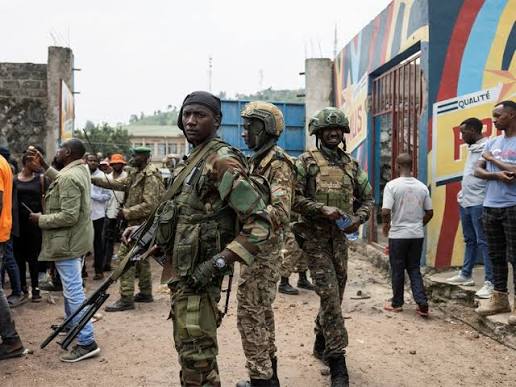
Military clashes continue
This move comes as military clashes continue despite diplomatic efforts led by the United States and international partners to stabilize the region. The United Nations accuses the M23 movement of receiving support from Rwanda, accusations Kigali consistently denies, while Rwanda accuses Congolese forces of collaborating with the Democratic Forces for the Liberation of Rwanda (FDLR), which includes elements linked to the 1994 Rwandan genocide.
Ending the conflict in eastern Congo
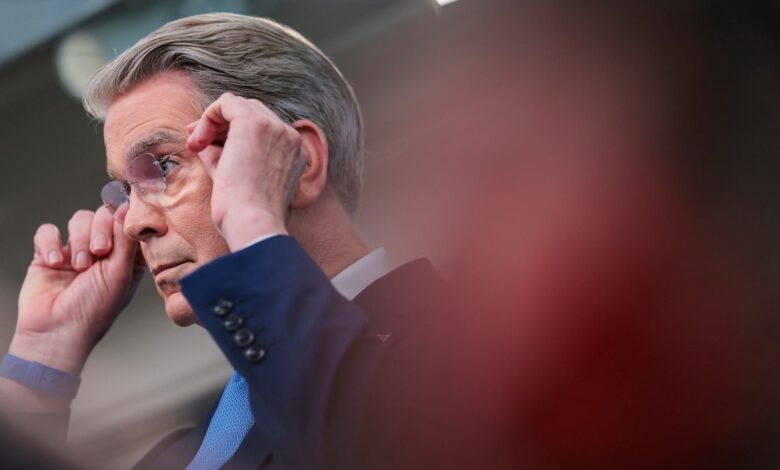
US Treasury Secretary Scott Bisent said that ending the conflict in eastern Democratic Republic of Congo is a priority for Washington, stressing that continued violence is exacerbating the humanitarian situation and threatening regional security and stability.
International estimates indicate that the ongoing conflict in eastern Congo has displaced millions of people and killed thousands in recent years. The region is one of the world's richest in strategic minerals, including cobalt, coltan, and gold, further complicating the conflict and the entanglement of local, regional, and international interests.
The new sanctions come after a series of similar US measures targeting military and political figures accused of supporting armed groups.
Through these steps, Washington seeks to push the various parties towards committing to a path of de-escalation and political dialogue.
Despite the signing of several ceasefire agreements in recent months, clashes continue in a number of eastern regions, raising fears of a widening humanitarian crisis and hindering efforts to achieve lasting peace.
Observers believe that the US sanctions represent a strong political message to the parties involved in the conflict, but they may not be enough on their own to end the crisis unless they are accompanied by real progress in political negotiations and enhanced regional cooperation to address the root causes of the conflict that threatens the stability of the entire Great Lakes region.