Between the embargo and the sanctions... why is it difficult to repeat the Venezuela scenario in Cuba?
Washington escalates pressure on Havana following the Venezuela scenario
Written by: Mohamed Ragab
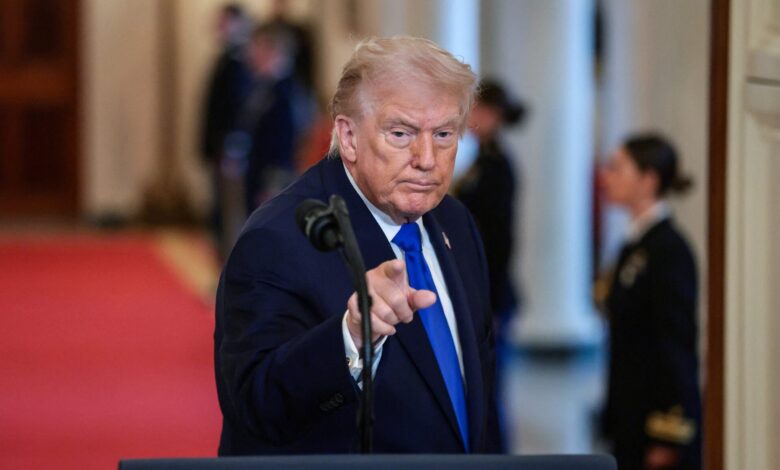
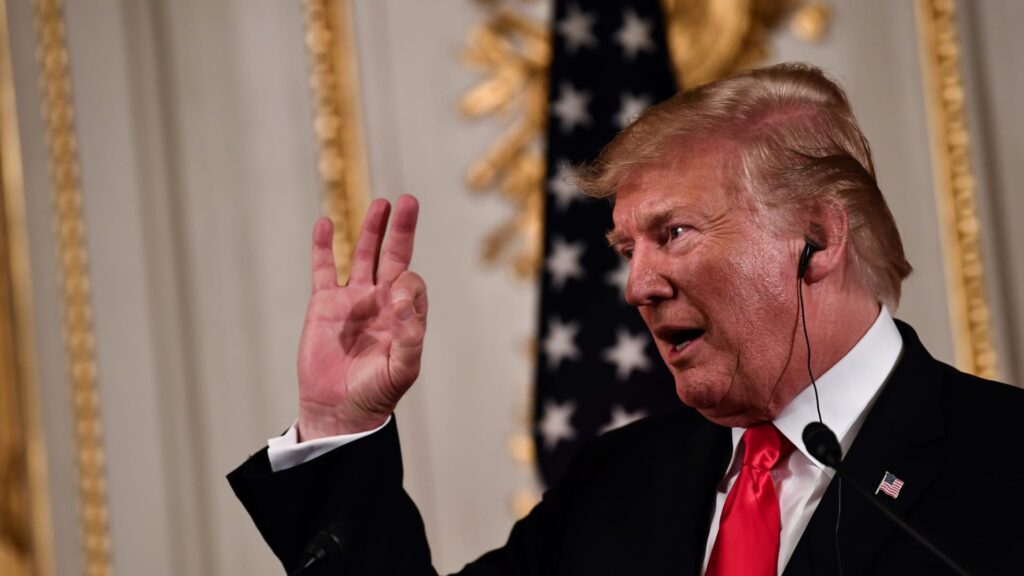
International concerns are growing about the possibility of the US escalation in Latin America spreading from Venezuela to Cuba, especially after the recent actions taken by the administration of US President Donald Trump against the Cuban government, which included new sanctions and escalating political and security moves.
However, despite the similarity of the American rhetoric towards the two countries, experts and analysts believe that the Venezuelan scenario may not be easily repeated in Cuba, due to fundamental differences in the political, economic and military structure within the Caribbean island.
In recent weeks, the Trump administration has intensified its pressure on Havana by imposing sanctions on Cuban political and military leaders, tightening economic restrictions, and attempting to strangle oil supplies coming from abroad, as part of the “maximum pressure” strategy led by the US Secretary of State, who is known for his hardline stance towards Cuba.
Fundamental differences between Cuba and Venezuela
Observers believe the most significant difference between the two countries lies in the nature of their political systems. While Venezuela has had a strong political opposition and figures capable of operating both domestically and internationally in recent years, Cuba lacks an organized opposition with broad popular support that could lead a political transition.
The Cuban military is also more cohesive and ideologically aligned with the ruling regime than its Venezuelan counterpart, which has experienced internal divisions and conflicts in recent years. Reports indicate that Cuban security services have learned from Caracas's experience and have worked to strengthen their internal control to prevent a similar scenario.
In addition, the economic structure is clearly different, as Cuba does not have huge oil reserves like Venezuela, which reduces the attractiveness of direct US economic or investment intervention after any possible political change.
The Cuban economy is also subject to extensive central control led by military-linked institutions, making it difficult to dismantle or quickly restructure it.
Escalating US sanctions and actions
During May, Washington imposed a series of new sanctions targeting Cuban military and political officials, as well as companies linked to the Cuban military establishment.
The US Department of Justice also announced criminal charges against the former Cuban president related to the 1996 downing of civilian aircraft.
This coincided with US military movements in the Caribbean region, including the deployment of naval vessels and intelligence contacts with Cuban officials, raising speculation about the possibility of a greater escalation in the coming period.
In contrast, the Cuban government asserts that Washington is seeking to create a suffocating economic crisis within the island to push the public towards an explosion, while describing the American moves as a new attempt to impose regime change by force or through economic blockade.
Will the “maximum pressure” strategy succeed?
Despite the increasing pressure, experts doubt the United States' ability to achieve a rapid breakthrough inside Cuba, especially since the island has long experience in dealing with decades-long US sanctions.
Havana is also trying to find alternatives by strengthening its cooperation with Russia, China and some Latin American countries to mitigate the effects of the economic crisis.
Analysts warn that any sudden collapse in Cuba could lead to massive waves of migration to the United States, as well as the potential for widespread security and humanitarian unrest in the Caribbean region, which may make Washington more cautious in dealing with the Cuban issue compared to what happened in Venezuela.