April 9, 1938... An enduring memory in the history of the Tunisian struggle | What happened?
Remembering the day the martyrs fell, so that the nation may rise
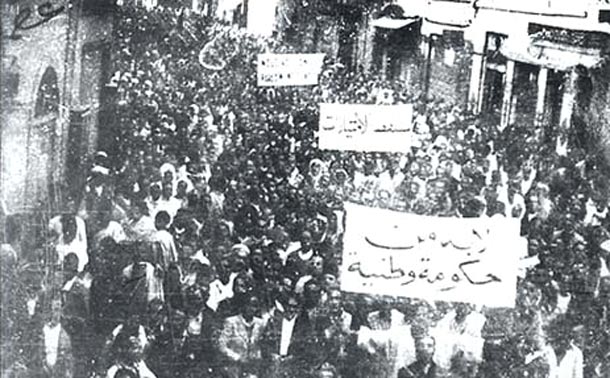
Every year on April 9th, Tunisians commemorate the events of April 9, 1938, known as ”Martyrs” Day,” a pivotal moment in the history of the national movement against French colonialism.
These events were not just fleeting protests, but rather a pivotal moment that reshaped the course of the struggle for independence and enshrined the concept of sacrifice in the collective consciousness.
A tense political context and the beginning of popular mobilization
These events occurred amidst escalating tensions between nationalist forces and the French protectorate authorities, particularly with the growing role of the Neo-Destour Party, led by Habib Bourguiba and his associates, who demanded radical political reforms, including an elected Tunisian parliament and a national government.
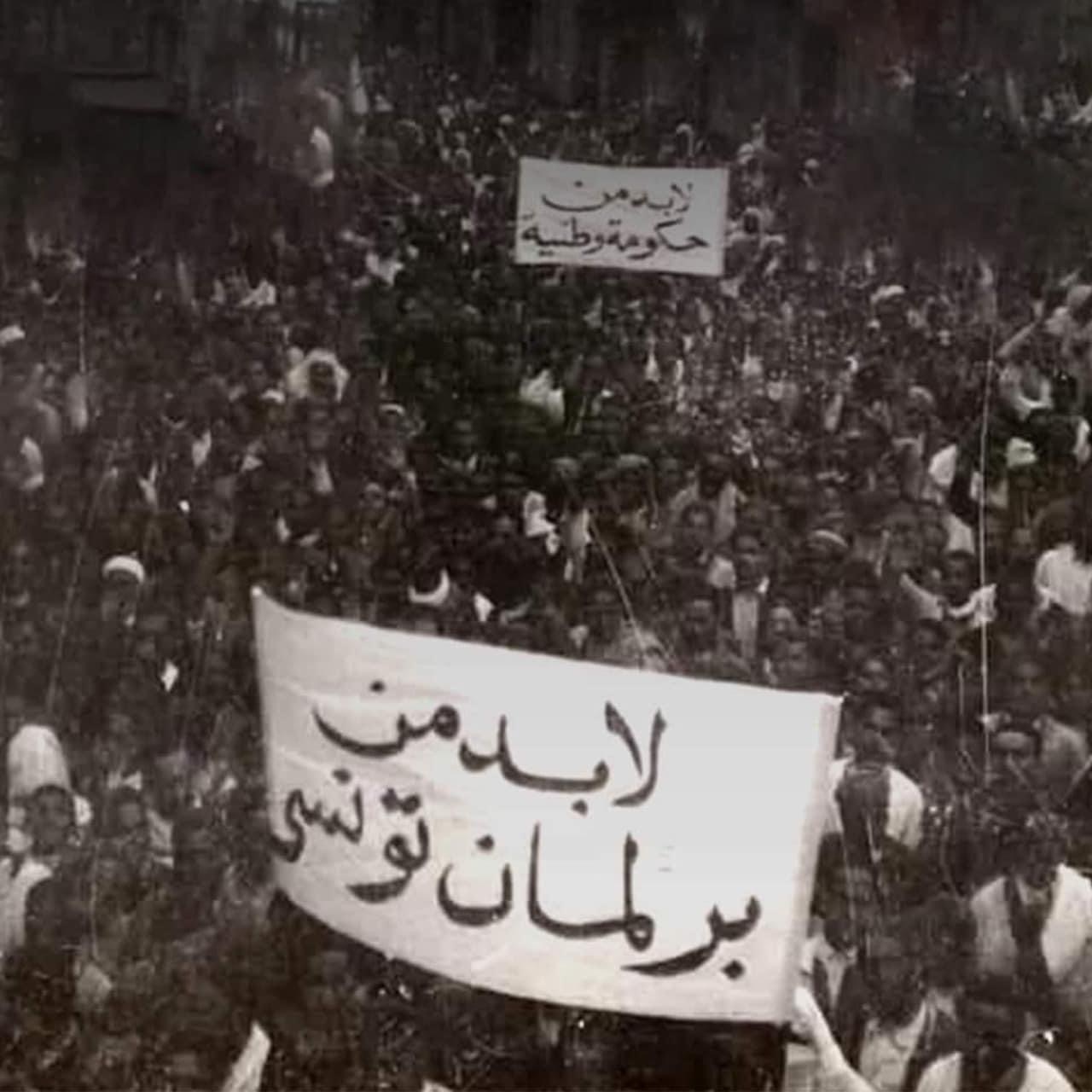
With increasing popular pressure, massive demonstrations took place in the capital, Tunis, and other cities, raising slogans of independence and national sovereignty.
April 9th, when bullets met the voice of freedom
On April 9, 1938, thousands of demonstrators gathered in the streets of the capital, demanding their political rights, but the colonial forces met these movements with excessive force. The French forces fired on the demonstrators, resulting in dozens of martyrs and wounded, in a bloody scene that shook the country and left a deep mark on the national memory.
Repression did not stop the movement, but rather fueled it further.
These events were followed by a widespread campaign of arrests targeting the leaders of the national movement, most notably Habib Bourguiba, in addition to the imposition of a state of emergency and a ban on political activity. However, contrary to what the protectorate authorities had hoped, these measures did not lead to the suppression of the movement, but rather increased the cohesion of the national ranks and contributed to expanding the circle of popular resistance.
A strategic shift in the course of the struggle
The events of April 9th represented a crucial turning point, as the national movement realized that the confrontation with colonialism had entered a new phase that required an escalation in the methods of struggle and a broader organization of the popular base.
These events later paved the way for achieving independence in 1956, after years of political and diplomatic struggle.
Official recognition and commemoration
The Tunisian state has designated April 9 as a national day for martyrs, in commemoration of the sacrifices of those who fell in defense of freedom. On this day, official and popular events are held, during which the heroism of the martyrs and the values of struggle that they embodied are recalled.
Between the past and the present lies a message that never ends
The importance of this anniversary is not limited to its historical dimension, but extends to being a source of inspiration for new generations, reminding them that freedom was not a gift, but the fruit of great sacrifices. In a world witnessing rapid transformations, recalling these moments remains a necessity to preserve national identity and strengthen the spirit of citizenship.
A nation's memory and a future built on sacrifices
More than eight decades later, the events of April 9, 1938, remain present in the conscience of Tunisians, as a symbol of resilience and will. On that day, martyrs fell, but they left behind a nation that is moving steadily towards its future, based on a history of struggle and sacrifices.