Zambia loses $100 billion after suspending fuel taxes
Zambia's losses from suspending fuel taxes after the Iran war
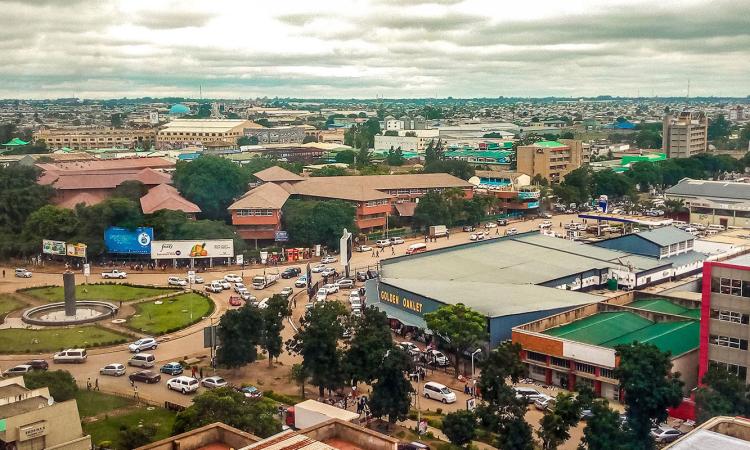
Zambia suffered a loss of $100 billion due to the suspension of fuel taxes for 3 months, as one of the repercussions of the Iran war.
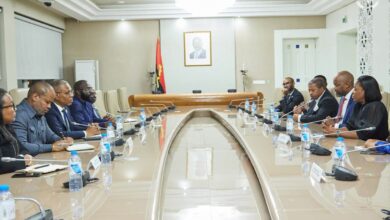
This came according to statements made by Zambian Finance Minister Situmbeko Musokotwane on the sidelines of the Spring Meetings of the International Monetary Fund and the World Bank.
Fuel tax suspension in Zambia
This measure is intended to protect citizens from rising oil prices resulting from the conflict in Iran.
The minister said: “This means a loss of $100 million in taxes in full,” and continued: “This is money we need for various essential activities and services in the country,” according to the economic newspaper “Business Africa.”.
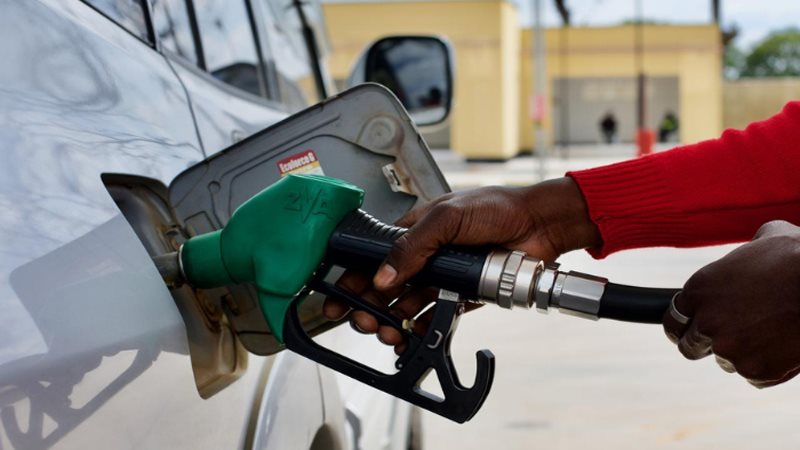
Mosokotwane also noted that the main priority has now shifted towards ensuring sufficient fuel supplies, saying: “The second, and perhaps more difficult, consequence, which we do not know how long will last, is simply the availability of the energy commodity,” adding: “We are concerned about fuel supplies.”.
Zambia's debt restructuring
In addition to the losses resulting from the suspension of fuel taxes, the ministry is working on preparing a revised budget for the current fiscal year, to take into account the broader impact of the energy shock on revenues.
The goal is to increase production to more than one million tons for the first time this year, a target that could be jeopardized if there is any shortage in diesel supplies.
The Zambian finance minister concluded by saying, “I really hope we can find a way to protect the mining sector from all these repercussions.”.
Several countries, including Zambia, are facing rising energy costs as a result of the war, due in particular to the closure of the Strait of Hormuz, through which some 20% of global oil shipments pass.
Countries dependent on fuel imports were the most affected, while the southern African country, which has very limited or almost no capacity to produce or refine crude oil, had its economy negatively impacted by this foreign war.
Zambia is also undergoing debt restructuring, which means that expected revenue losses could hinder efforts to reduce the budget deficit to 2.1% of GDP during the current fiscal year.