$1.5 trillion awaits Africa... Will the continent succeed in transforming cotton into an industry that creates millions of jobs?
The continent produces about 8% of the world's cotton but still exports it raw.
Written by: Mohammed Omran
The textile industry is no longer just a traditional economic sector, but has become one of the largest job-creating industries in the world, with a value exceeding $1.5 trillion annually and providing more than 90 million jobs.
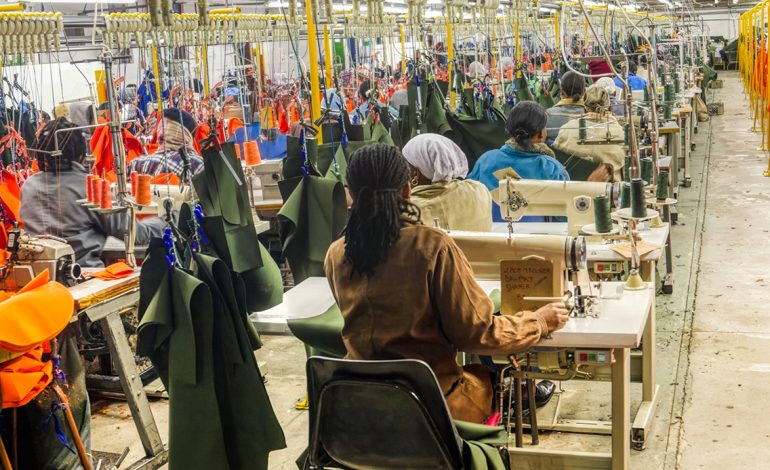
While Africa possesses the raw materials, workforce, and promising markets, the continent remains far from competitive in this industry, often content with exporting raw cotton, while other countries achieve added value from spinning, weaving, and garment manufacturing.
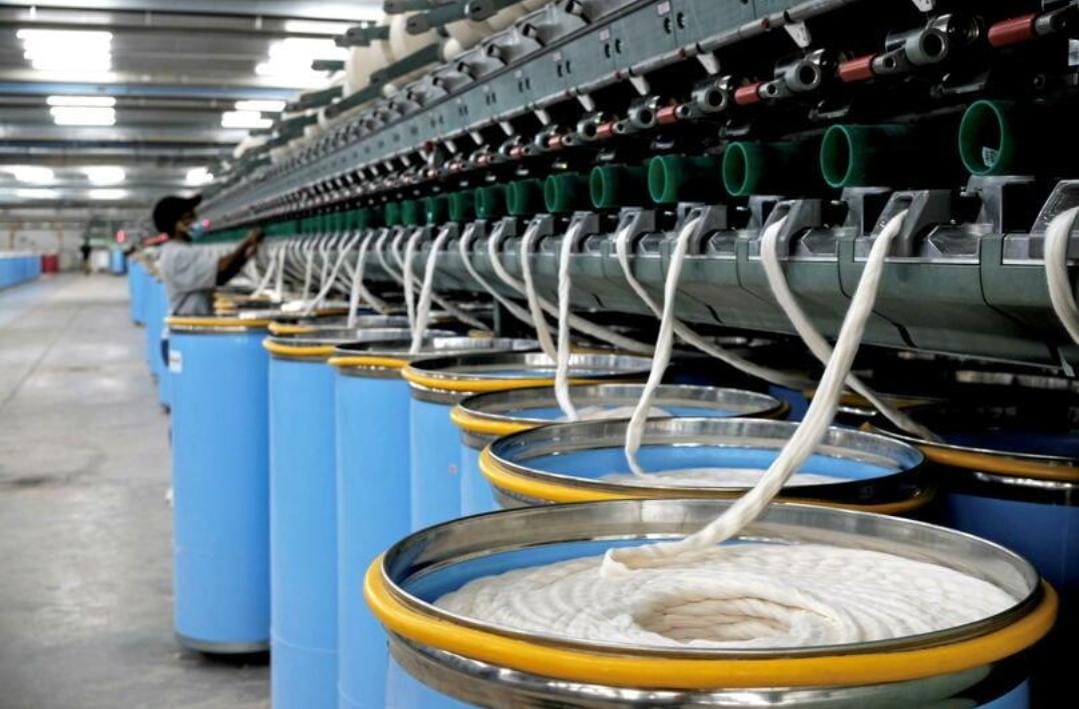
Africa produces between 7 and 81 TP3T of global cotton and is one of the largest exporters of raw cotton, but its contribution to the textiles and ready-made garments market remains very limited, depriving its economies of billions of dollars and job opportunities that could have transformed labor markets within the continent.
A jobs crisis is seeking an industry capable of absorbing the workforce.
The continent faces a growing challenge in job creation, particularly given its rapid population growth. The World Bank estimates that Africa needs to create approximately 25 million jobs annually until 2050 to absorb new entrants into the labor market, while the number of formal jobs currently being created is only about 3 million per year.
Young people and women are the most affected by this gap, as unemployment and informal work rates are high among them, even though women constitute a large percentage of the agricultural workforce and own about 26% of companies, which is among the highest rates of female entrepreneurship in the world.
Why is Africa losing added value?
Most African countries rely on exporting raw cotton to global markets, where spinning, weaving, and garment manufacturing take place outside the continent, before the finished products return to African markets at higher prices.
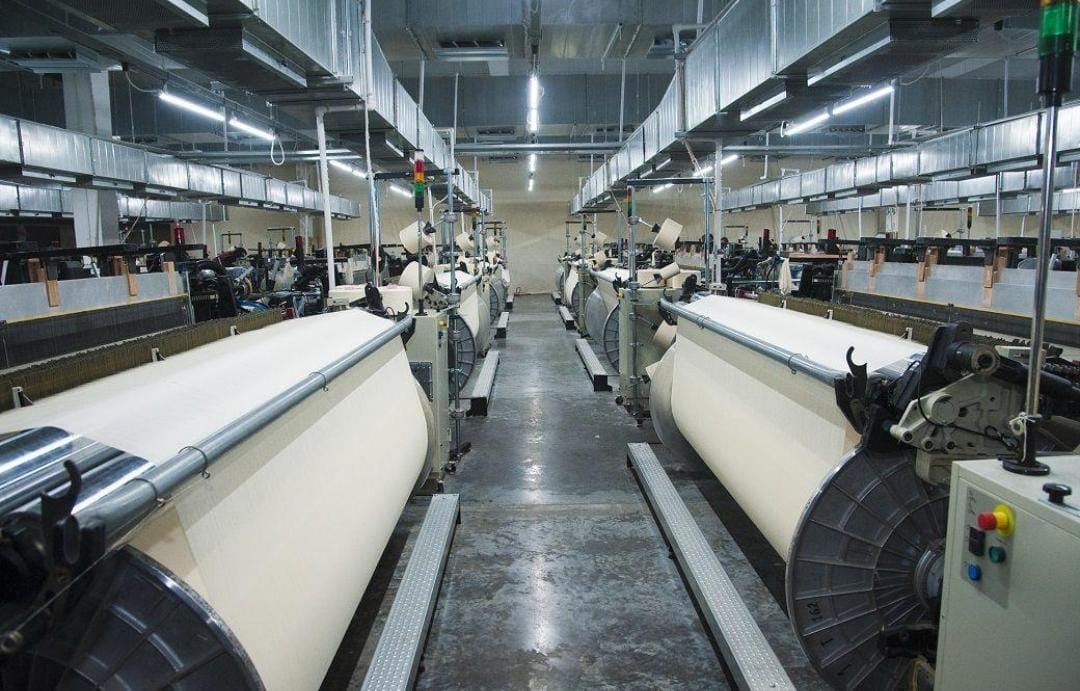
Experts believe that this model deprives the continent of a long series of economic activities, including manufacturing, logistics, design, marketing and distribution, which are the sectors that generate the largest share of profits for the textile industry globally.
An industry capable of employing millions
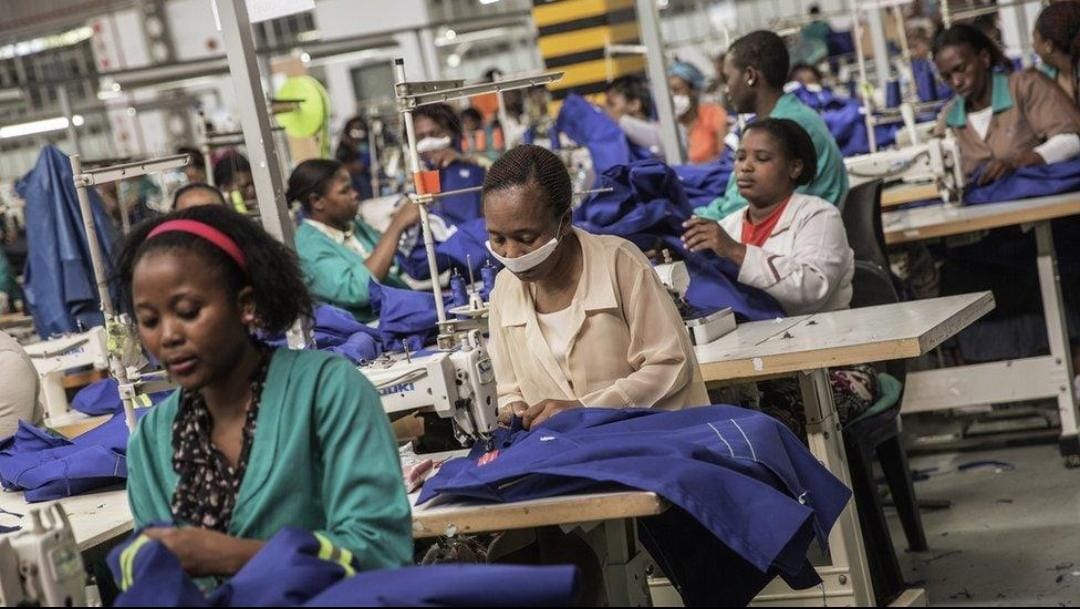
The textiles and clothing sector is one of the most labor-intensive sectors, providing job opportunities in all stages of production, from cotton cultivation, through spinning, weaving, dyeing and design, to clothing manufacturing, marketing and exporting.
Asian experiences confirm that this industry was one of the most prominent sectors that absorbed women into the formal labor market, and contributed to raising employment rates and increasing family incomes, which is a model that Africa can benefit from if it succeeds in building an integrated industry.
Opportunities are not limited to working inside factories, but extend to the fields of fashion, e-commerce, textile recycling, sustainable fiber manufacturing, and supply chains, opening the door for thousands of small and medium-sized enterprises and young entrepreneurs.
Free trade zone: An opportunity to redraw the industrial map
Experts believe that the African Continental Free Trade Area (AfCFTA) agreement represents an important turning point, as it allows for the creation of regional production chains instead of relying on small national markets.
Under this model, cotton could be grown in Mali, spun in Ivory Coast, woven in Ghana, then turned into clothing in Kenya or Ethiopia, before being marketed within an African market of more than 1.4 billion people and an economy worth more than $3 trillion.
Experts believe that this integration would reduce production costs, increase competitiveness, and encourage industrial investments within the continent.
Challenges still exist
Despite the great opportunities, the industry faces a number of obstacles, most notably weak infrastructure, unstable electricity supplies, high transportation costs between African countries, as well as the difficulty for small and medium enterprises to obtain financing.
The industry also suffers from a shortage of trained technical personnel, in addition to strong competition from used clothing and low-cost imported products, which has affected many local textile factories.
Moves to support the industry
With growing interest in manufacturing, international finance and development institutions have stepped up their support for cotton value chains in Africa.
The African Export-Import Bank (Afreximbank) places the textile industry among the priorities of its industrial strategy, while the World Bank and the African Development Bank continue to finance infrastructure development projects, support small businesses, and expand training and qualification programs.
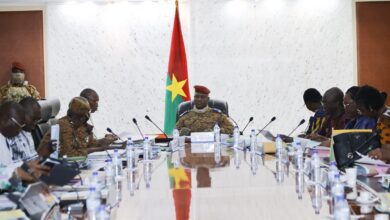
The World Trade Organization is also working with a number of partners to support the countries of Benin, Burkina Faso, Chad and Mali, known as the “C4”, with the aim of transforming cotton from an export crop into a base for a value-added processing industry within the continent.
From exporting raw materials to creating value
Analysts believe that the future of the textile industry in Africa will not depend on increasing cotton production, but rather on the ability of governments to build an integrated industrial system linking farms, factories and markets.
If the continent succeeds in manufacturing a larger proportion of its domestic production, the gains will not be limited to increased exports, but will include creating millions of jobs, enhancing the participation of women and youth in the formal economy, and transforming Africa from a source of raw materials into a regional hub for textile and clothing production, in one of the world’s fastest-growing industries.