The Egyptian Space Agency successfully launched the ClimCam space camera aboard the International Space Station.
A new Egyptian success in the field of space. .
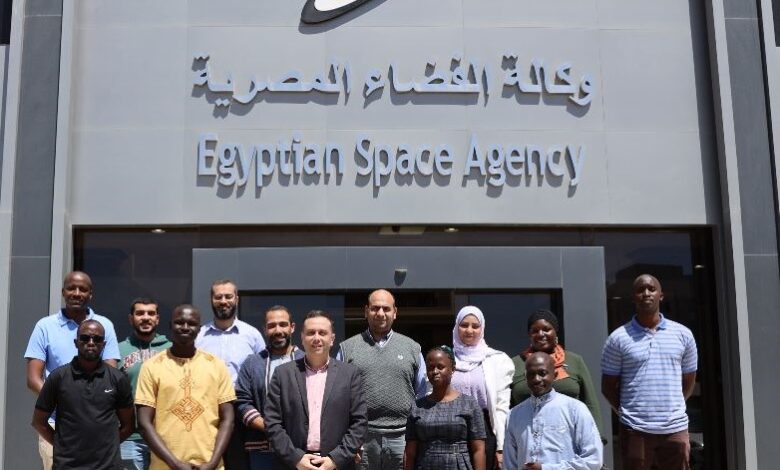
Dr. Maged Ismail, CEO of the Egyptian Space Agency, announced the successful launch of the ClimCam space camera, a step that is considered a milestone in the path of international cooperation in the fields of space technology and monitoring climate change.
New Egyptian success in the field of space
The launch took place today, Saturday, April 11, 2026, at 01:41 PM Cairo time, as part of the Cygnus NG-24 mission to the International Space Station (ISS).
He added that the launch of the ClimCam project represents a qualitative step in the Egyptian Space Agency’s journey towards expanding its presence in the international space scene, through employing advanced technology and strengthening scientific partnerships that serve the goals of development and sustainability.
He stressed that this project reflects an advanced model of international and African cooperation in the field of space, where expertise and capabilities are integrated to provide practical solutions to environmental challenges, thereby enhancing the role of space technology in serving societies.
This mission comes as part of an international scientific partnership between the Egyptian Space Agency, the Kenyan Space Agency and the Uganda National Space Programme, where the ClimCam space camera system was developed to support efforts to monitor climate change and enhance the ability to track extreme weather phenomena in the East African region.
The ClimCam payload was launched as part of the Cygnus NG-24 mission to the International Space Station (ISS), where the camera will be installed on the Bartolomeo platform connected to the European Columbus module. Airbus operates the Bartolomeo platform, one of the most advanced payload hosting platforms in low Earth orbit, providing a state-of-the-art environment for conducting scientific experiments and demonstrating space technologies.
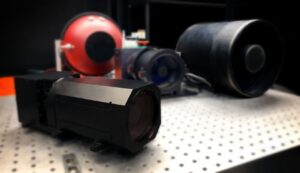
ClimCam is an advanced Earth observation camera system that uses multispectral imaging technologies supported by artificial intelligence algorithms, enabling the capture and analysis of images of areas affected by extreme weather phenomena, such as
Drought and floods. The data provided by the camera is expected to contribute to supporting rapid response to natural disasters, enhancing resource management, and improving monitoring of agricultural productivity in East Africa.
This project represents a practical model of scientific cooperation between African institutions in the field of space technology, as the ClimCam team brings together multiple expertise in the fields of space imaging, electrical engineering, computer engineering, machine learning and telescope design, within a scientific cooperation framework that reflects the growing capabilities of the African continent in developing space technologies that serve the goals of sustainable development.
This mission also comes in the context of international initiatives aimed at expanding the scope of countries’ participation in space activities, as the ClimCam project was selected through an international competition organized by the United Nations Office for Outer Space Affairs (UNOOSA), which confirms the importance of the project at the international level and its role in supporting scientific and technological innovation.
The ClimCam system is expected to operate for a full year aboard the International Space Station, providing periodic data and images of targeted areas, contributing to efforts to monitor climate change and enhance the ability to adapt to its effects in the most affected areas.
The Egyptian Space Agency confirmed that this step represents an important addition to the development of space science and technology in Africa, and reflects Egypt’s commitment to supporting regional and international scientific cooperation and employing space technologies in the service of development and sustainability issues.