Pakistan's mediation between the US and Iran reaches a dead end.
The current round of negotiations has failed.
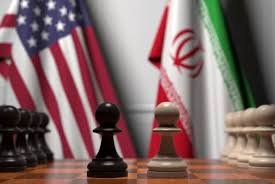
The Wall Street Journal reported that the current round of negotiations and Pakistan's mediation efforts between America and Iran have reached a dead end.
According to the Wall Street Journal, Iran told Pakistan that the American demands were unacceptable and that it was not prepared to meet with American officials in Islamabad in the coming days.
Iran rejects US demands
The Wall Street Journal confirmed: Iran rejected the American demands and officially informed mediators that it is not prepared to meet with American officials in Pakistan in the coming days.
The Wall Street Journal added that Egypt and Turkey are considering new proposals and new venues for talks, including Doha or Istanbul, to reach a solution to the crisis.
Iran had previously announced its categorical refusal to enter into any negotiations or ceasefire agreements with the United States and Israel, stressing that its only remaining option was to continue the war and military confrontation.
The Iranian statements came from Foreign Ministry spokesman Ismail Baghaei, who was quoted by state television as saying that the Iranian people stand “united” in the face of American and Israeli threats, stressing that “this war was imposed on us, and we have no choice but to continue fighting.”.
China-Pakistan Initiative
China and Pakistan called for an immediate ceasefire and an end to the war, stressing the need to deliver humanitarian and relief aid to all conflict-affected areas. This move reflects a deep understanding that the continuation of military operations will only lead to further humanitarian disasters and threaten the stability of the entire region.
Through the launch of the China-Pakistan Initiative to end the war, both sides stressed that dialogue and diplomacy are the only way to resolve conflicts, while emphasizing the need to preserve the sovereignty and independence of the Gulf States and Iran.
The initiative also called on all parties to pledge to resolve disputes through peaceful means and to refrain from using force or threatening to use it during negotiations. This call represents an attempt to bring the conflicting parties back to the negotiating table, away from the language of weapons.
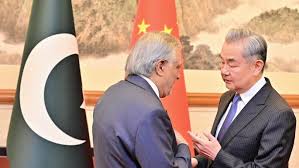
The initiative emphasized the need to adhere to international humanitarian law and to cease attacks against civilians and non-military targets. It also stressed the protection of vital infrastructure such as energy, water, and electricity facilities, as well as peaceful nuclear facilities. This point highlights the humanitarian dimension of the initiative and places the protection of civilians at the forefront of its priorities.