Senegal: $140 million from the World Bank for agricultural roads
Funding to improve rural access to markets
Written by: Ayman Ragab
The World Bank announced that it has approved an additional $140 million in financing to boost road connectivity in agricultural production areas in northern and central Senegal.
The financing approved by the World Bank, amounting to $140 million, through the International Development Association (IDA), along with a $2 million contribution from the Senegalese government, has brought the total investment in the North and Central Senegal Agricultural Production Zones Linkage (PCZA) project to $470.8 million.
Improving rural residents' access to markets
The project aims to improve rural residents' access to markets, basic services, and economic opportunities. It is expected to directly benefit approximately 570,000 people.
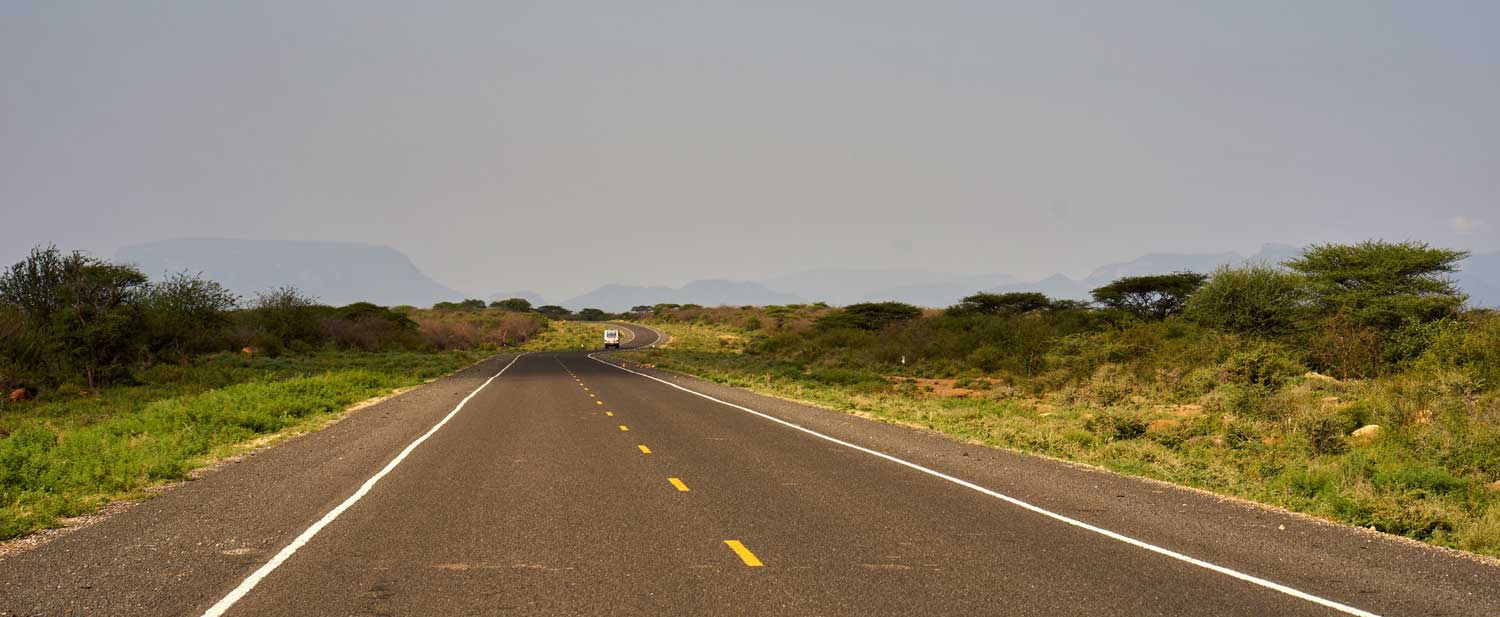
According to the World Bank, the program has already enabled the construction and rehabilitation of 414 kilometers of roads, improving the mobility of 350,000 people. The new funding will specifically allow for the expansion of work on two strategic corridors linking Kusanar and Compuntum, and Tambacunda and Dianke Macha.
The project includes the construction of 171 kilometers of paved roads and 104 kilometers of unpaved roads, built to climate change standards. It also includes the development of community infrastructure such as agricultural processing platforms for women, storage facilities, markets, water points, schools, and sanitation facilities.
Marketing the crops more
”When a road connects an agricultural basin to an urban market, it allows the producer to better assess their crop and communities to access more economic opportunities,“ said Djibrilla Issa, World Bank Country Director for Senegal, Mauritania, Cape Verde, Guinea-Bissau and The Gambia.
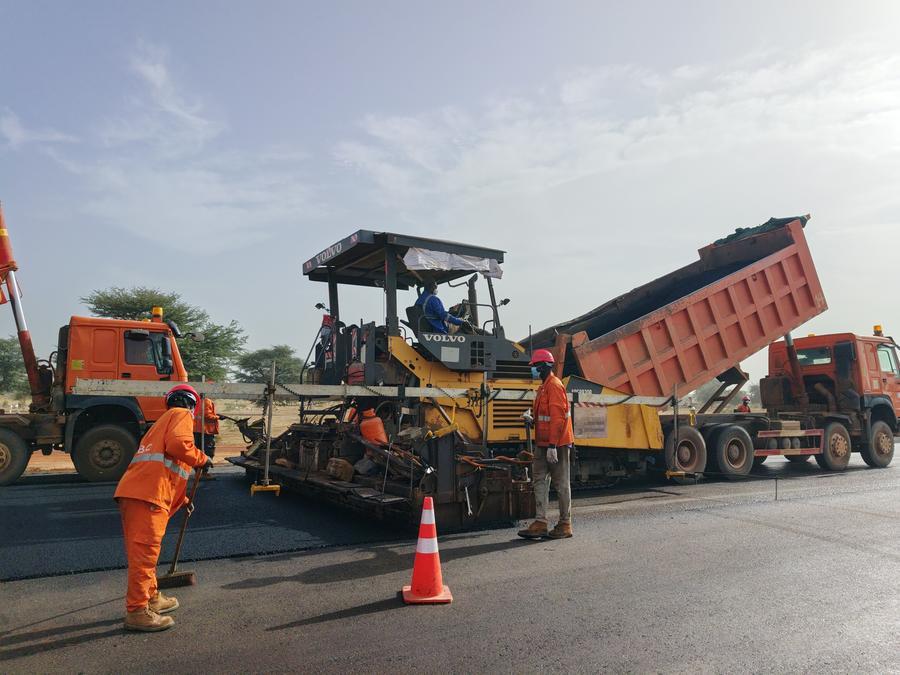
The project was implemented by the Agency for the Management of Works and Roads (AGEROUTE), under the supervision of the Ministry of Infrastructure, and is in line with the guidelines of Senegal Vision 2050 and the National Development Strategy 2025-2029.
This should contribute to integrating rural producers into more efficient agricultural value chains, in coordination with the AgriConnect initiative.