African airlines face a new shock as fuel costs rise globally
Global energy disruptions are disrupting African airlines and forcing route restructuring.
Written by: Badr Ahmed
The escalation of the war in Iran has led to a significant rise in global jet fuel prices, causing increased pressure on airlines in the African continent and forcing many of them to reconsider flight routes and operating plans, amid growing concerns about the stability of the regional and international aviation network.
The impact of the Iranian war on African airlines
According to the African Airlines Association (AFRAA), the current crisis has revealed the extent to which airlines on the continent rely heavily on imported refined fuel, making them more vulnerable to geopolitical shocks and global market volatility.
The association noted that African airlines were already paying about 17% higher than the global average for jet fuel before the crisis, significantly narrowing profit margins.
The association's secretary-general, Abdulrahman Berth, told the Associated Press that the impact of the crisis is catastrophic and represents a major shock to member airlines, explaining that fuel accounts for between 30% and 40% of total operating costs, and therefore any further increase is directly reflected in the financial performance of companies.
Global airlines are monitoring developments in the Strait of Hormuz, one of the world's most important energy chokepoints, through which about one-fifth of the world's oil and fuel supplies passed before shipping was affected by the military escalation at the beginning of the year.
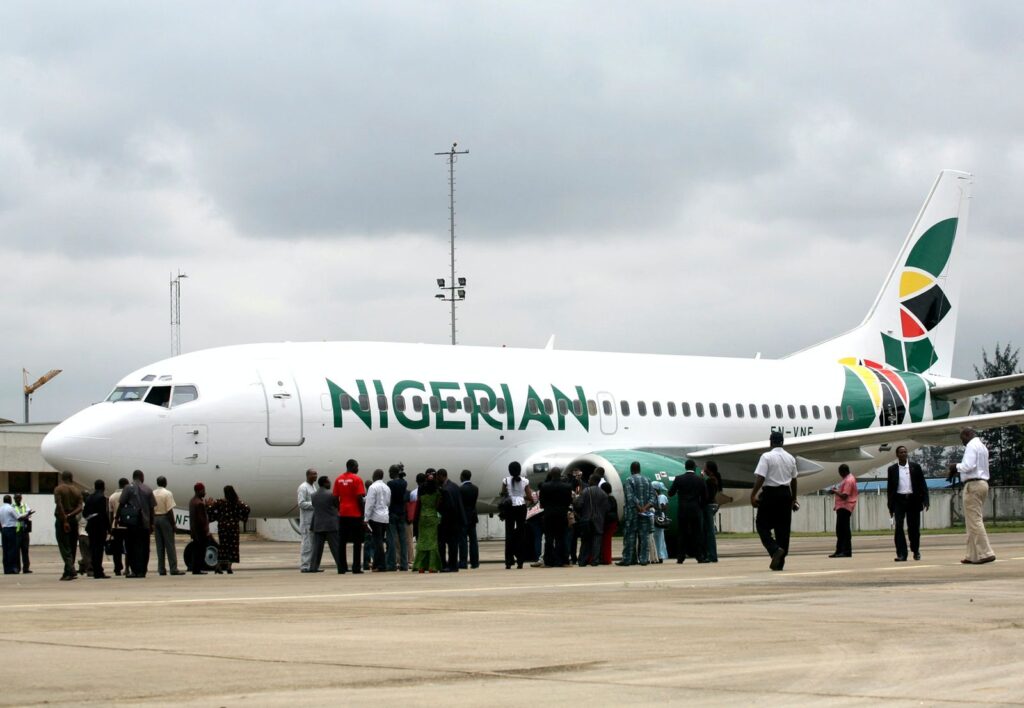
In Africa, the crisis is exacerbated by structural constraints, including high import costs and limited domestic refining capacity, making the sector more vulnerable to external shocks. Some airlines have already begun reducing flight frequencies, adjusting their operating networks, and revising routes to mitigate rising costs.
The Association of African Airlines called for strengthening refining capabilities within the continent and reducing reliance on imported fuel, stressing that sustainable solutions must be of African origin to ensure the sector's long-term stability.
She also highlighted the importance of strategic projects such as the Dangote refinery in Nigeria, which is expected to play an increasing role in supplying regional markets with refined fuels, including Kenya, Ethiopia and South Africa, potentially easing current pressures.
Despite the challenges, demand for air travel in Africa remains strong, with annual growth forecasts of nearly 6%. However, experts warn that continued geopolitical crises and rising fuel prices could threaten the sustainability of growth and the profitability of airlines on the continent in the coming period.