Kenya's Ministry of Education rules out suspending classes despite unrest.
Betuk confirms that studies will continue without any changes to the academic calendar.
Written by: Mohammed Omran
Excluded Kenyan Ministry of Education The possibility of schools closing early, despite the recent wave of student unrest and fire incidents that have affected several educational institutions across the country.
Kenya's Ministry of Education rules out suspending classes despite unrest.
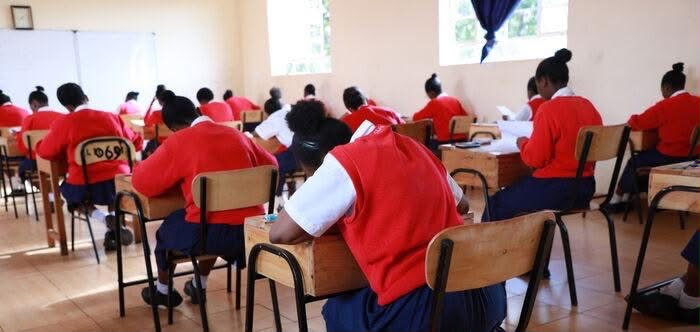
On Thursday, June 4, the Undersecretary of Education, Julius Pitok, reassured parents and teachers that the educational process was continuing uninterrupted in the majority of schools.
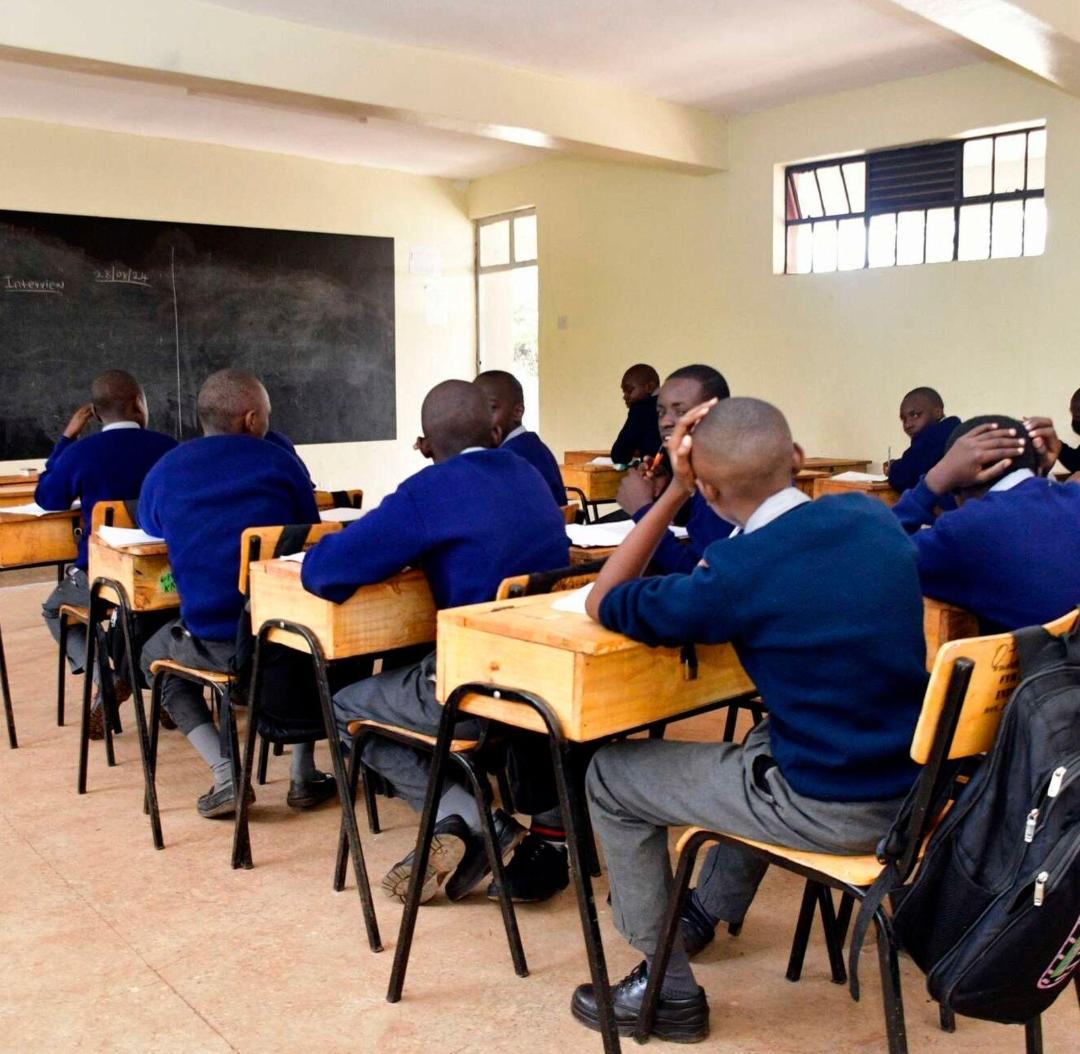
During his attendance at the Kenya High School Awards ceremony, Betok confirmed that the ministry had taken measures to address the sporadic riots and fires in some senior high schools.
He explained that there are no plans to amend the current academic calendar, stressing that schools will continue to operate according to the scheduled timetable, while the relevant authorities will address emerging challenges through dialogue and the implementation of safety measures.
Bitok revealed, "While we celebrate these achievements, I am fully aware of the challenges that have recently hampered the educational process in some parts of the country.".
He added: ’The ministry is making strenuous efforts, in cooperation with the relevant authorities, to implement targeted interventions to restore normalcy, protect the educational process, and ensure that students continue in their schools.’.
At the same time, the Undersecretary noted that the government had begun a comprehensive review of safety standards nationwide to identify and address risks that could threaten the safety and well-being of students.
The safety review being conducted by the Ministry of Education is expected to assess student housing conditions, emergency preparedness, infrastructure, and compliance with applicable safety regulations.
Bitok's remarks come amid growing concern following a series of student unrest and school fires reported in various parts of the country over the past few weeks.
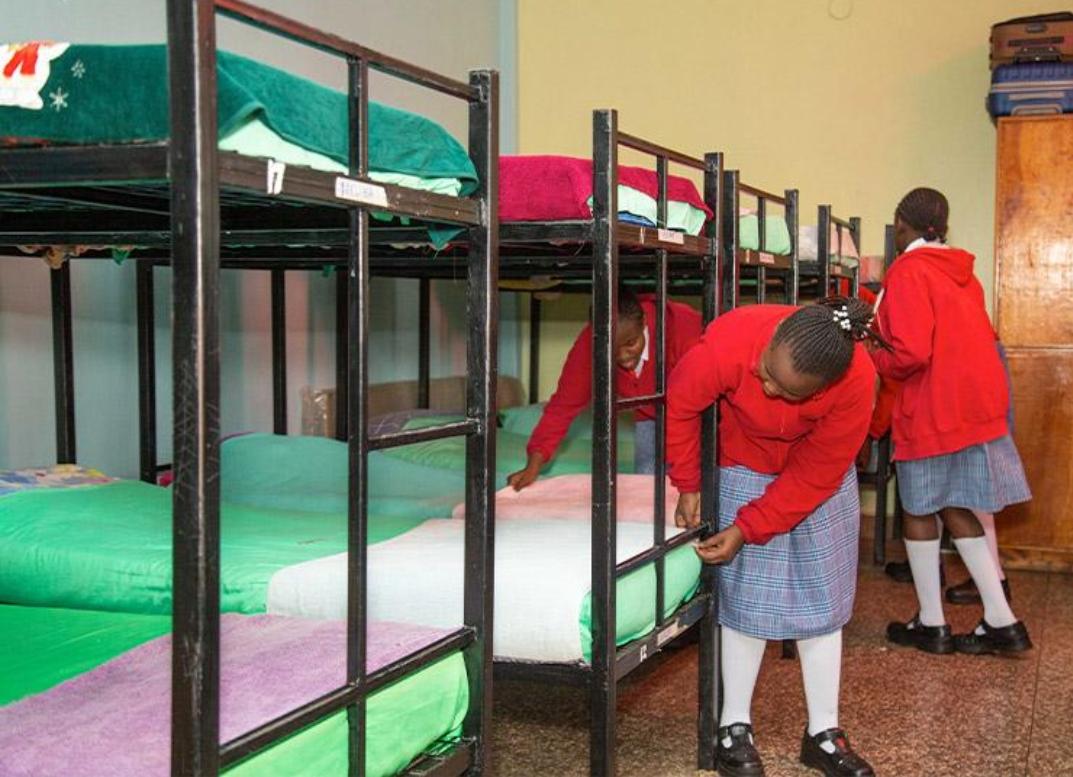
Several schools were closed indefinitely after students threatened to protest, while other schools suffered serious damage from fires in student housing, disrupting the educational process.
Despite these incidents, the Ministry of Education confirmed that these cases are isolated and do not warrant amending the academic calendar.
The ministry urged school principals, teachers, parents and other stakeholders to strengthen communication channels with students and address complaints early to avoid further disruptions.