Ethiopia achieves economic growth exceeding international institutions' expectations
Economic growth rate in Ethiopia
Written by: Ayman Ragab
Ethiopian Prime Minister Abiy Ahmed revealed that his country achieved economic growth of 10.2% this year, exceeding international estimates of about 9.2%.
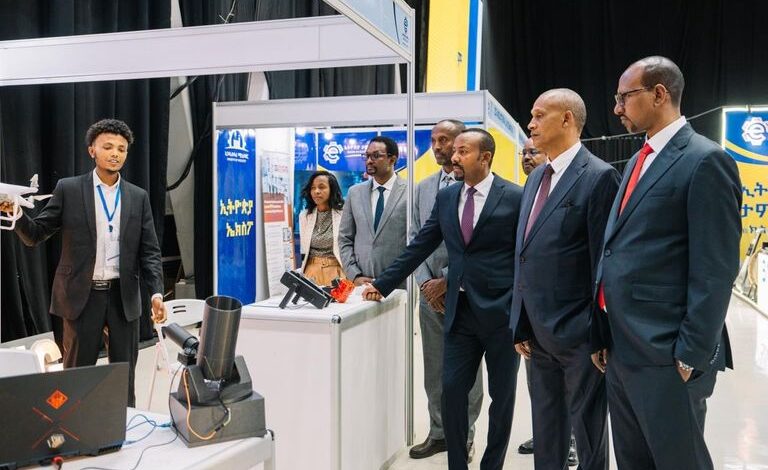
“Abiy Ahmed,” who made these remarks during the opening of the fourth edition of the “Ethiopian Manufacturing” exhibition for 2026 at the Addis Ababa International Convention Center, stressed that the strength of the manufacturing sector and local manufacturing has driven the economy to achieve growth.
The Ethiopian Prime Minister stressed that the industrial sector has become a pivotal pillar in driving growth and enhancing national productive capacity.

“Ethiopia Produces” initiative”
Abiy Ahmed said that the “Ethiopia Produces” initiative, despite being launched four years ago, has shown remarkable progress in the quality and diversity of products, reflecting a gradual shift towards a more productive economy capable of meeting domestic demand and reducing dependence on imports.
He considered that the convergence of growth figures between the Ethiopian government (10.2%) and the World Bank and IMF forecasts (9.2%) reflects a real shift in the structure of the economy, driven by an expanding industrial base.
He revealed that local production is a fundamental condition for national sovereignty, noting that “a country that depends on aid cannot claim independence,” and calling for accelerating production in strategic sectors including fertilizers, seeds and energy, as they are the keys to achieving food and economic self-sufficiency.
Increased average operating capacity of manufacturing industries
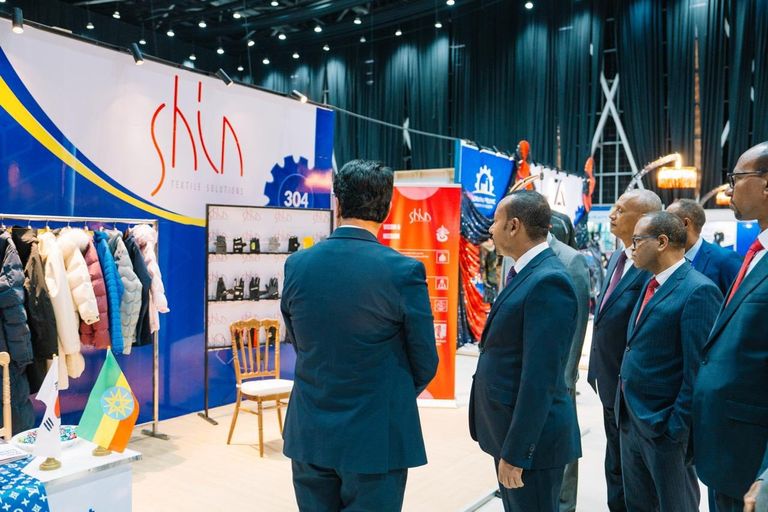
Abiy Ahmed confirmed that the average operational capacity of manufacturing industries has increased from 47% to 67% over the past four years, in parallel with attracting more than 2,800 local and foreign direct investments, indicating an improvement in the industrial business environment.
He said that the first nine months of the current fiscal year saw the saving of about $4.85 billion in foreign currency through local production alternatives to imports, which enhances the stability of the balance of payments.