The US imposes new tariffs on seven African countries, allegedly to combat forced labor.
Customs duties imposed on 7 African countries
Written by: Ayman Ragab
A new package of US tariffs took effect at 12:01 a.m. on Friday (4:01 a.m. GMT), covering imports from about 60 countries, including seven African nations, under the pretext of combating forced labor.
The new tariffs range from 101 TP3T to 12.51 TP3T and cover countries that account for 99.41 TP3T of total US imports. However, the exemption of certain products, such as hydrocarbons and fertilizers, from these tariffs may limit their impact on some African economies.
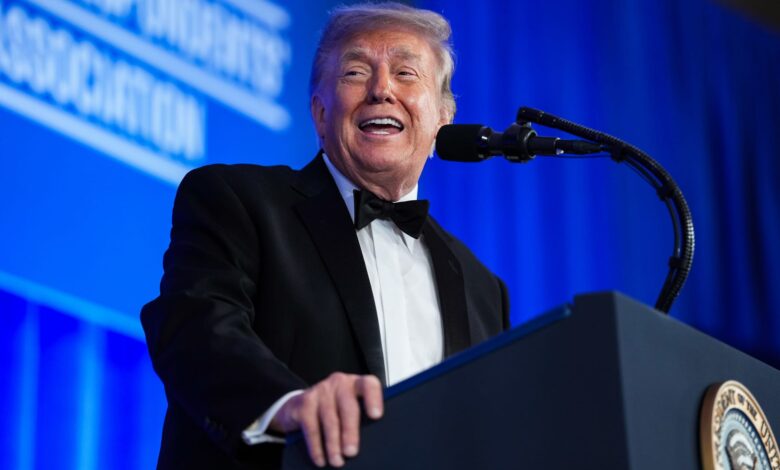
This move came after the expiration of the temporary global tariff imposed by the administration of US President Donald Trump on February 24, 2026, under Section 122 of the Trade Act of 1974, which expired last Friday after the legally mandated 150-day period.
Imposing new fees
Shortly before this measure was to expire, the White House announced new tariffs on countries it deemed to have “failed to establish or enforce an effective ban on imports of goods produced by forced labor,” while continuing to rely on the Trade Act of 1974, which gives the US administration greater legal protection against any potential challenges.
The new tariffs, which replaced previous temporary taxes, include major U.S. trading partners, including the European Union, China, Japan, Australia, Canada, Brazil, Mexico, and the United Kingdom.
The new tariffs are based on two levels; the 10% rate is imposed on countries that have legislation to combat forced labor but, according to Washington, do not implement it effectively, while the 12.5% rate is imposed on countries that the United States considers to be without similar legislation.
Seventeen countries are subject to a 10% tariff, while 43 countries, including China, Japan, Switzerland, and Australia, are subject to a 12.5% tariff. US authorities clarified that goods already en route to the United States before the decision took effect will not be affected by the new tariffs if they arrive before July 28.
An assessment that included 60 economies
U.S. Trade Representative Jameson Greer said: “The United States has prohibited the import of products manufactured with forced labor for nearly a century, and enforces that prohibition rigorously. It is time for our trading partners to follow suit.”
He added that Washington conducted an assessment of 60 economies regarding their policies on combating forced labor, and concluded that the United States is the only country that effectively enforces a ban on imports produced using forced labor.
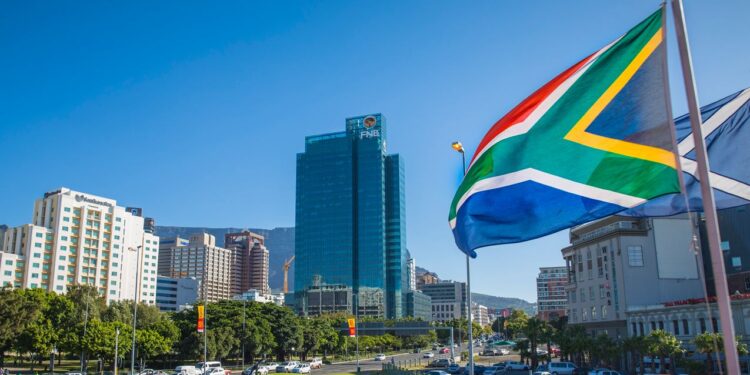
Of the sixty countries covered by the decision, the new fees included seven African countries: South Africa, Algeria, Angola, Egypt, Libya, Morocco, and Nigeria, all of which were subject to an additional fee of 12.5%.
These countries are among the largest African economies, and are among the most prominent trading partners of the United States on the continent, in addition to a number of them being major oil producers.
South Africa rejected the American justifications, asserting that it has strict legislation prohibiting forced labor, has ratified the core conventions of the International Labour Organization, and implements monitoring mechanisms to prevent goods produced with forced labor from entering supply chains. However, these explanations did not change Washington's position.
Excludes energy, hydrocarbons, minerals, and fertilizers
Despite the new tariffs, their impact on a number of African countries may be limited, as the United States has exempted some basic commodities, such as energy, hydrocarbons, minerals, fertilizers and raw materials not produced locally, in order to maintain its supply of natural resources at competitive prices.
This exception explains why African mineral-exporting countries, such as the Democratic Republic of Congo and Zambia, are not subject to these fees.
In a related context, in March 2026, the United States included seven African countries in a global investigation into forced labor: Cameroon, Ivory Coast, the Democratic Republic of Congo, Ethiopia, Ghana, Guinea, and Mali, with the aim of examining sectors and supply chains suspected of using forced labor.