With an ancient mosque and a palace... UNESCO courts Libya
The Old Mosque and the Hajj Palace in Libya
Written by: Ayman Ragab
Libya has registered two historical sites on the tentative list of the United Nations Educational, Scientific and Cultural Organization (UNESCO), opening the door to a transformation that will enhance Libya’s cultural and touristic standing globally.
The two sites are “The Old Mosque” in the city of Awjila and ”Al-Hajj Palace” in the Western Mountain, in preparation for their inclusion on the World Heritage List, which is full of unique sites and rare antiquities.
The ancient mosque in Libya
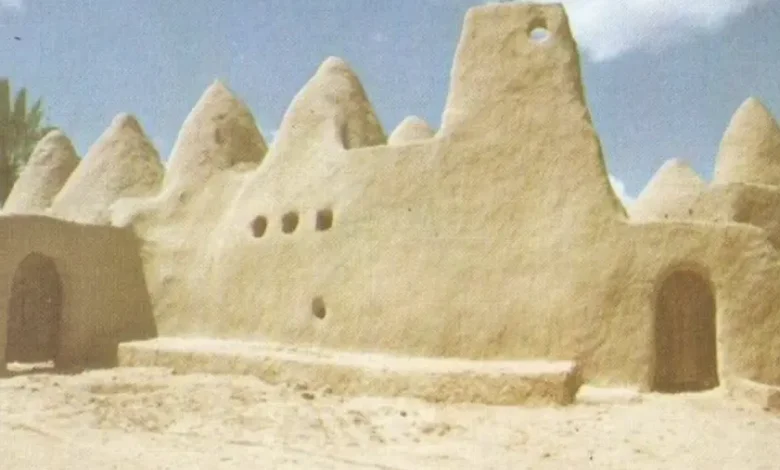
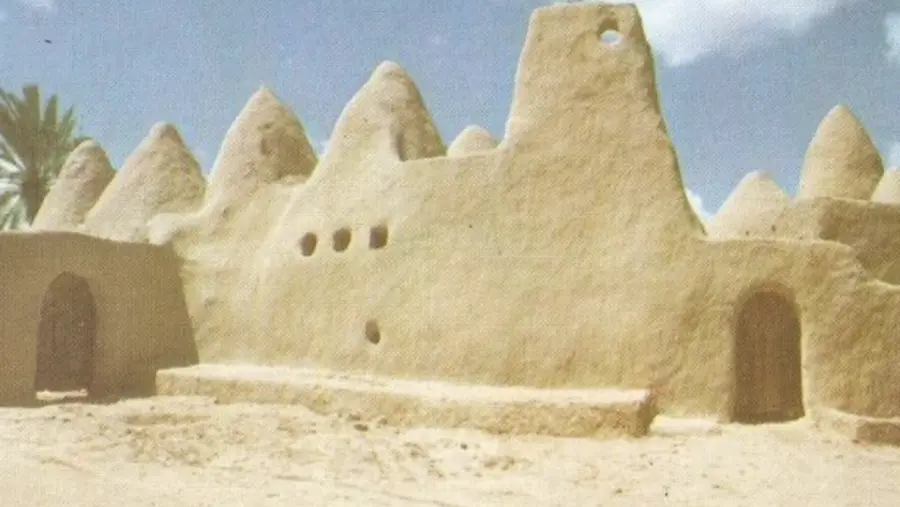
The mosque is located in the oasis and village of Awjila, in the oasis region of eastern Libya. It is known as the Old Mosque, as it was built in the twelfth century AD with its conical domes made of mud bricks and limestone, which provide light and ventilation.
As for “Qasr al-Hajj”, it is located about 140 kilometers southwest of the capital Tripoli, in the Western Mountain region, historically also known as Jabal Nafusa.
The Libyan issue has returned to the forefront of international action.
“This represents an important return of the Libyan file to the forefront of international work in the field of protecting cultural heritage,” according to a statement from the Department of Historic Cities Management.
It is worth noting that Libya has 5 sites registered on the UNESCO list, namely:
The rock art site of Tadrart Acacus, the ancient city of Ghadames, the archaeological site of Cyrene, the archaeological site of Leptis Magna, and the archaeological site of Sabratha.
“Including sites on the tentative list is a first step towards completing official registration on the World Heritage List, which requires meeting about 10 criteria,” says the head of the Libyan delegation, Saleh Al-Aqab.
He told Reuters: “Among the criteria that must be met are authenticity, fabric, site sanctity, identifying the heart of the site, and others,” noting that these sites need attention from local authorities, residents, and civil society organizations “so that these criteria can be met and they can be officially listed.”.
From the fifth century AH
As for the “Old Mosque”, its construction dates back to the fifth century AH, and its design combines Islamic architecture in North Africa and sub-Saharan Africa.
The mosque was built with local bricks, and is distinguished by its multiple domes and its reliance on wood to raise the roofs.
Speaking of “Al-Hajj Palace”, it is located about 140 kilometers southwest of the capital Tripoli, in the Western Mountain region, historically also known as Jabal Nafusa.
The palace dates back to the 7th century AH, which is about the 13th century AD.
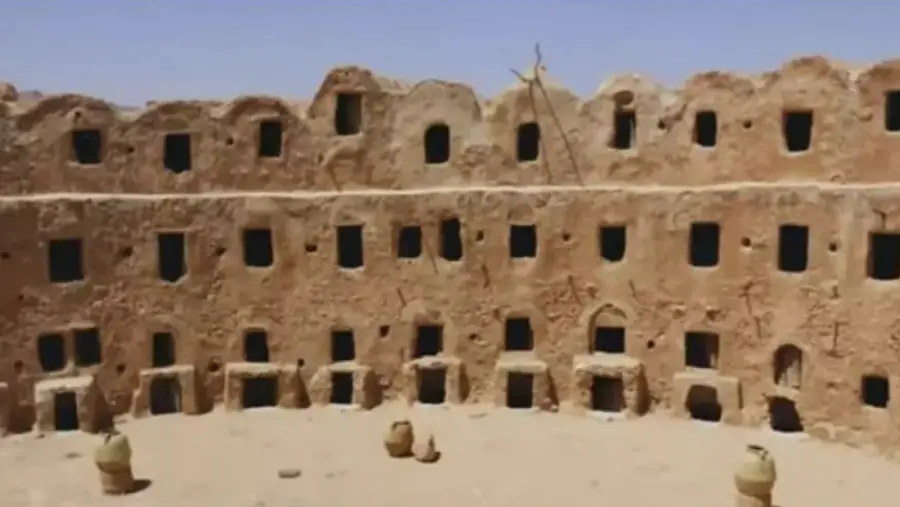
The palace consists of a large administrative building with about 114 rooms and 30 cellars under the building, which were used to store grain or for defensive purposes when the population was in danger.
The “Hajj” Palace in southwestern Libya is considered an important historical landmark. It is a huge circular tower consisting of three floors and 30 rooms.
grain storage
A story passed down through generations tells that the reason for its construction in this style was to store grain and secure food.
According to Al-Aqab, Libya had previously succeeded, during 2020, in registering 3 historical sites, including two sites east of the city of Benghazi, namely the ancient city of Tolmeita and Hawa Fatih in the Green Mountain, in addition to the archaeological site of Qarza in the city of Bani Walid, southeast of the capital.