Eritrea celebrates the graduation of the 38th batch of National Service in “Sawa”
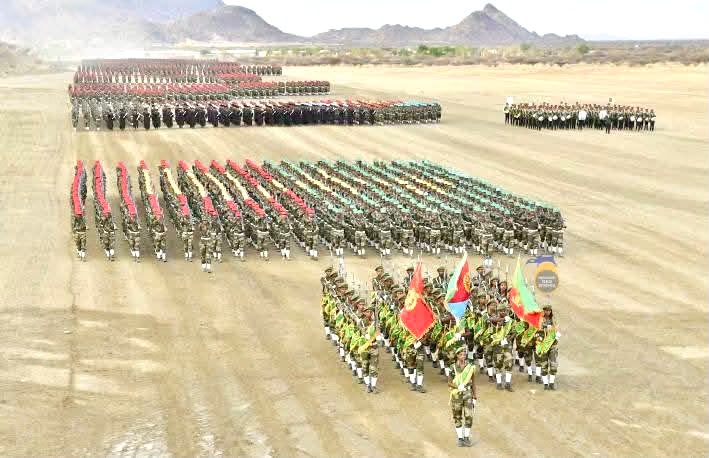
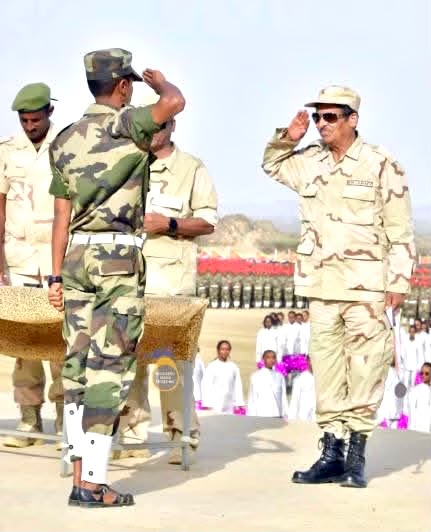
The graduation ceremony for the 38th batch of national service in Eritrea was held on July 11 at the Sawa National Training Center, which is the main institution for youth development in the country.
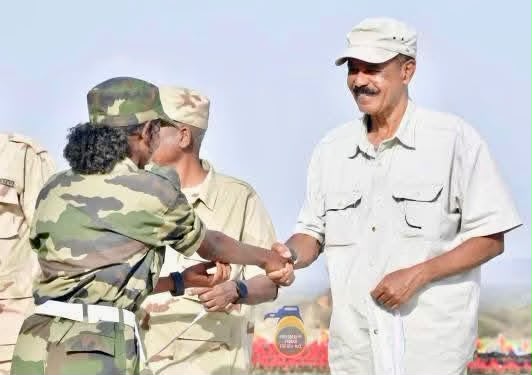
The graduation ceremony was held for the participants, who completed their academic studies for the twelfth grade of secondary school, along with military and political training.
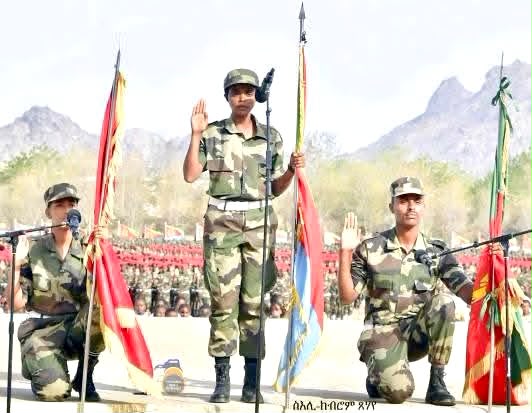
This took place in the presence of President Isaias Afwerki, senior government and ruling party officials, military leaders, leaders of national organizations, teachers, parents, and a crowd of citizens.
Eritrea requires citizens to deposit their money in banks.
Earlier, the Eritrean Central Bank issued new instructions requiring all citizens and institutions to deposit all their cash holdings in the national currency, the Nakfa, in commercial banks before the end of July. The decision is to be implemented immediately, in a move that reflects the authorities' tightening control over cash circulating outside the banking system.
According to the directives, it is prohibited to hold large amounts of Nakfa currency outside of banks for extended periods, emphasizing that violations of these instructions will subject offenders to legal prosecution, without the central bank specifying the nature of the penalties that may be imposed on violators.
The authorities also called on citizens who do not have bank accounts to quickly open accounts and deposit their cash in them before the deadline, as part of a plan that aims to bring as much of the money supply as possible into official banking channels.
These measures come amid existing restrictions on cash withdrawals, as banking regulations in Eritrea do not allow account holders to withdraw more than five thousand nakfas per month, reflecting the strict approach the government takes in managing monetary policy.
Observers believe that the decision aims to restore liquidity outside the banking system, enhance the state's ability to monitor money movements, and tighten control over the money supply, within a financial system known for its strict control over foreign currencies and banking activities.
This step is not the first of its kind, as the Eritrean government had previously implemented a similar measure more than a decade ago during a monetary reform process, when it compelled citizens to deposit all cash into banks concurrently with the reissuance of the national currency.