إريتريا تحتفل بتخريج الدفعة الـ38 من الخدمة الوطنية في “ساوا”
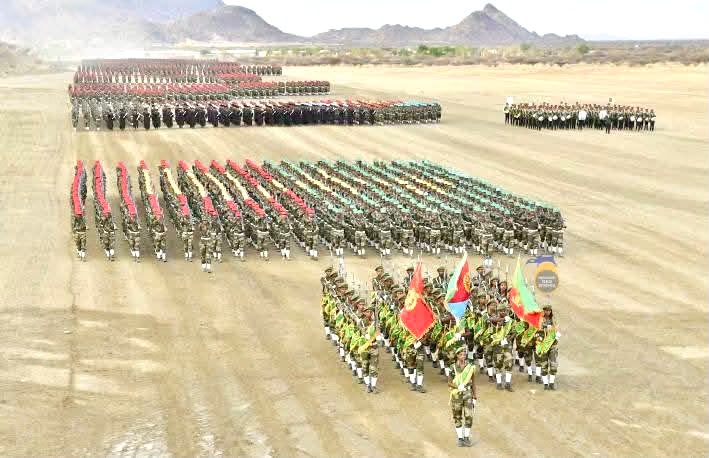
أُقيم حفل تخرج الدفعة الثامنة والثلاثين من الخدمة الوطنية في إريتريا، يوم 11 يوليو، في مركز “ساوا” الوطني للتدريب، الذي يُعد المؤسسة الرئيسية لتنمية الشباب في البلاد.
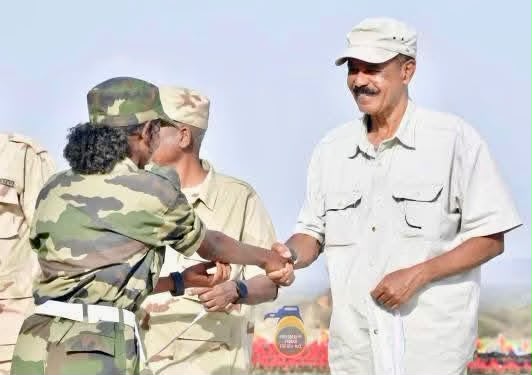
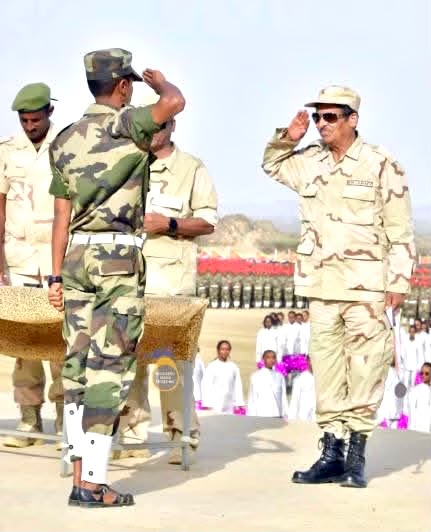
وقد جرت مراسم تخرج المشاركين، الذين أتموا دراستهم الأكاديمية للمرحلة الثانوية الصف الثاني عشر، إلى جانب التدريب العسكري والسياسي.
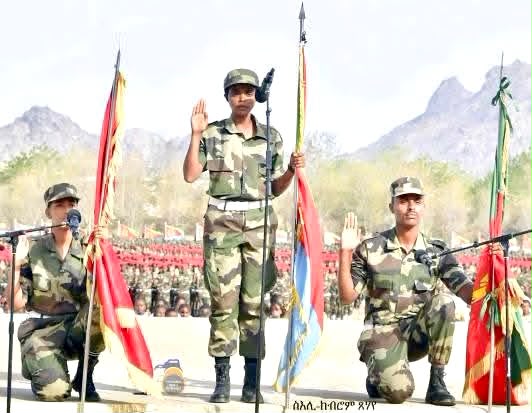
كان ذلك، بحضور الرئيس أسياس أفورقي، وكبار مسؤولي الحكومة والحزب الحاكم، والقادة العسكريين، وقادة المنظمات الوطنية، والمعلمين، وأولياء الأمور، وجمع من المواطنين.
Eritrea requires citizens to deposit their money in banks.
وفي وقت سابق، أصدر البنك المركزي الإريتري تعليمات جديدة تلزم جميع المواطنين والمؤسسات بإيداع كامل ما بحوزتهم من أموال نقدية بالعملة الوطنية الناكفا في البنوك التجارية قبل نهاية شهر يوليو الجاري، على أن يبدأ تنفيذ القرار بشكل فوري، في خطوة تعكس تشديد السلطات رقابتها على السيولة النقدية المتداولة خارج النظام المصرفي.
According to the directives, it is prohibited to hold large amounts of Nakfa currency outside of banks for extended periods, emphasizing that violations of these instructions will subject offenders to legal prosecution, without the central bank specifying the nature of the penalties that may be imposed on violators.
The authorities also called on citizens who do not have bank accounts to quickly open accounts and deposit their cash in them before the deadline, as part of a plan that aims to bring as much of the money supply as possible into official banking channels.
These measures come amid existing restrictions on cash withdrawals, as banking regulations in Eritrea do not allow account holders to withdraw more than five thousand nakfas per month, reflecting the strict approach the government takes in managing monetary policy.
Observers believe that the decision aims to restore liquidity outside the banking system, enhance the state's ability to monitor money movements, and tighten control over the money supply, within a financial system known for its strict control over foreign currencies and banking activities.
This step is not the first of its kind, as the Eritrean government had previously implemented a similar measure more than a decade ago during a monetary reform process, when it compelled citizens to deposit all cash into banks concurrently with the reissuance of the national currency.