Libyan Minister of State for Women's Affairs to ”Zoom Africa News”: Empowering women is an investment in development and a genuine partnership in decision-making.
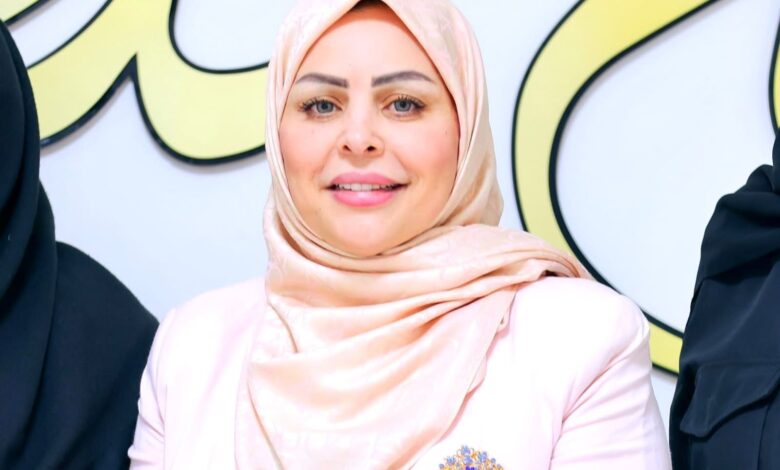
An interview conducted by: Sally Atef
In light of the political and economic transformations Libya is undergoing, the issue of women's empowerment emerges as a national priority, given the vital role Libyan women play in development, reconstruction, and peace-building.
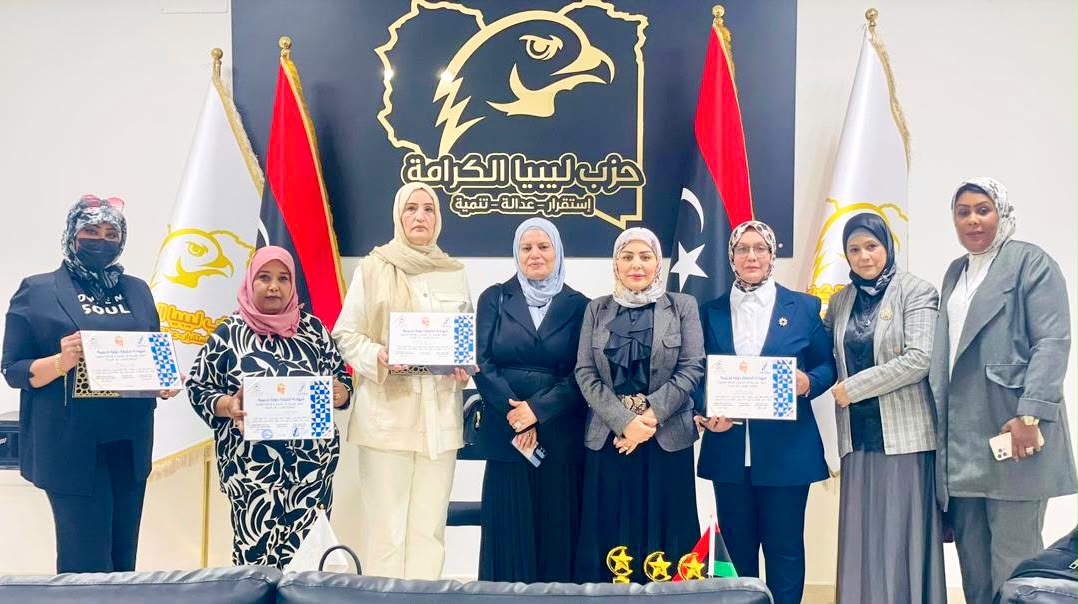
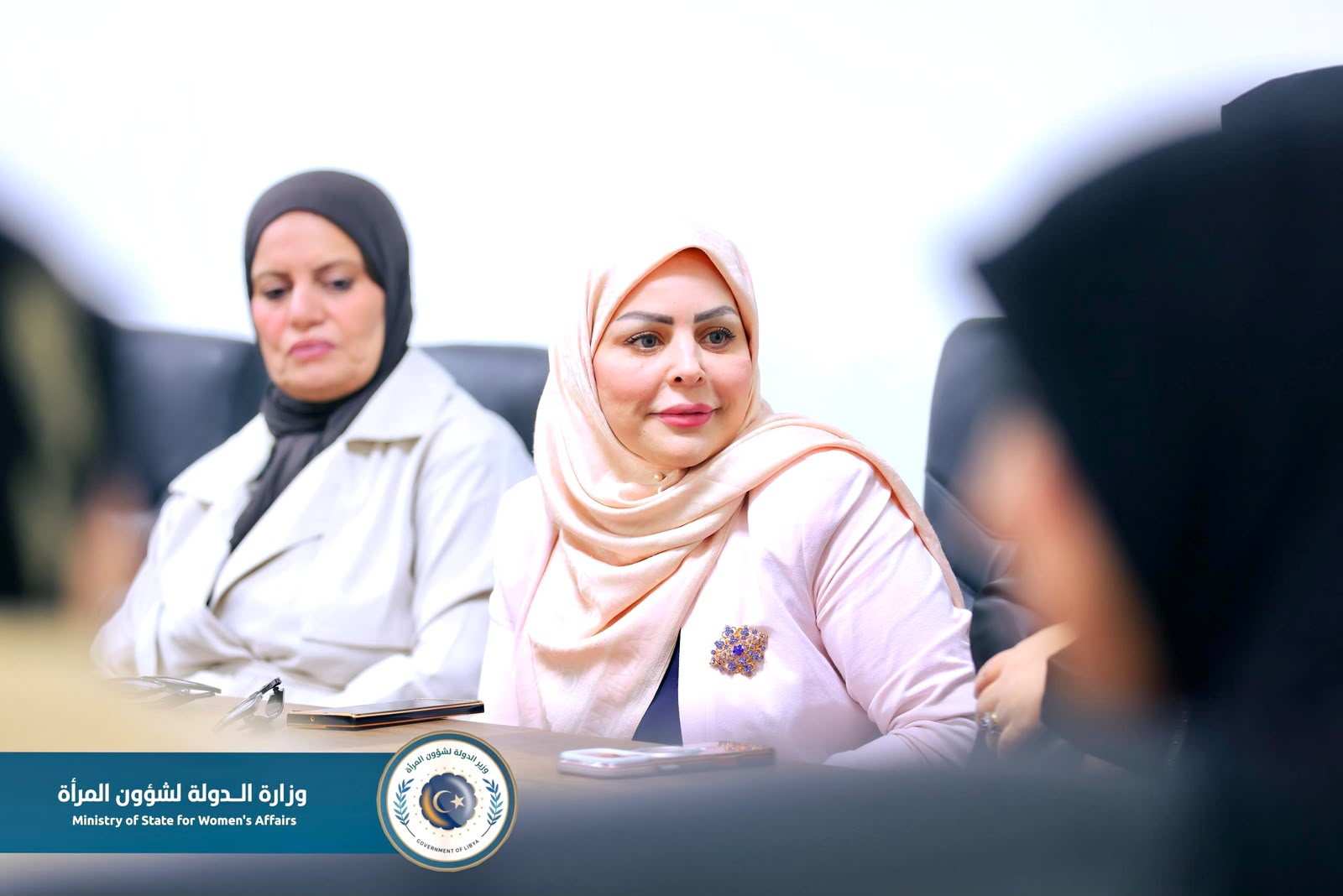
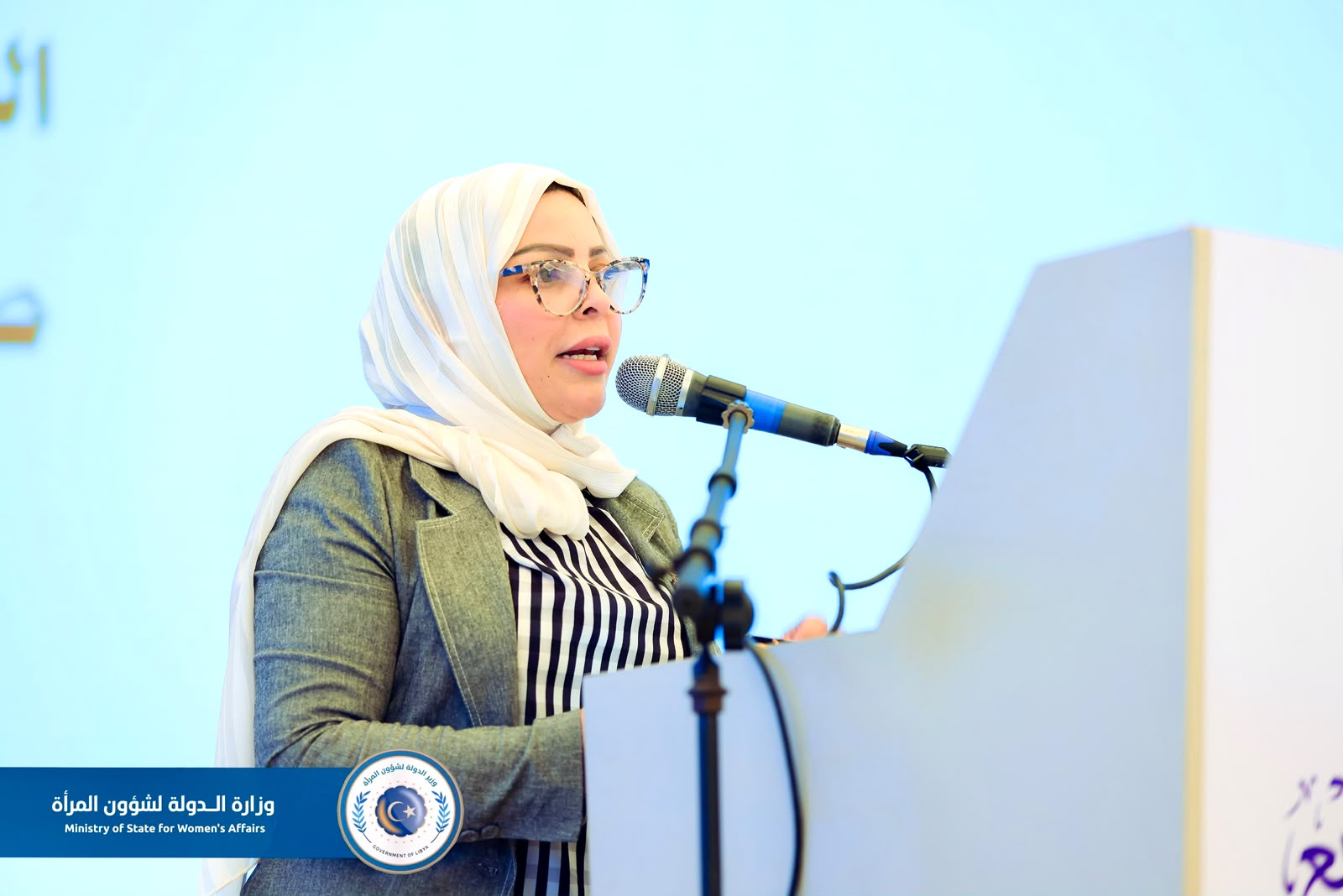
In a special interview with “Zoom Africa News,” Dr. Intisar Aboud, Minister of State for Women's Affairs in the Libyan government, reveals her vision for the reality of Libyan women, the most prominent challenges they face, and the ministry's plans to enhance women's presence in political and economic life, in addition to efforts to combat violence, develop legislation, and support female entrepreneurs, ensuring effective participation of women in shaping Libya's future.
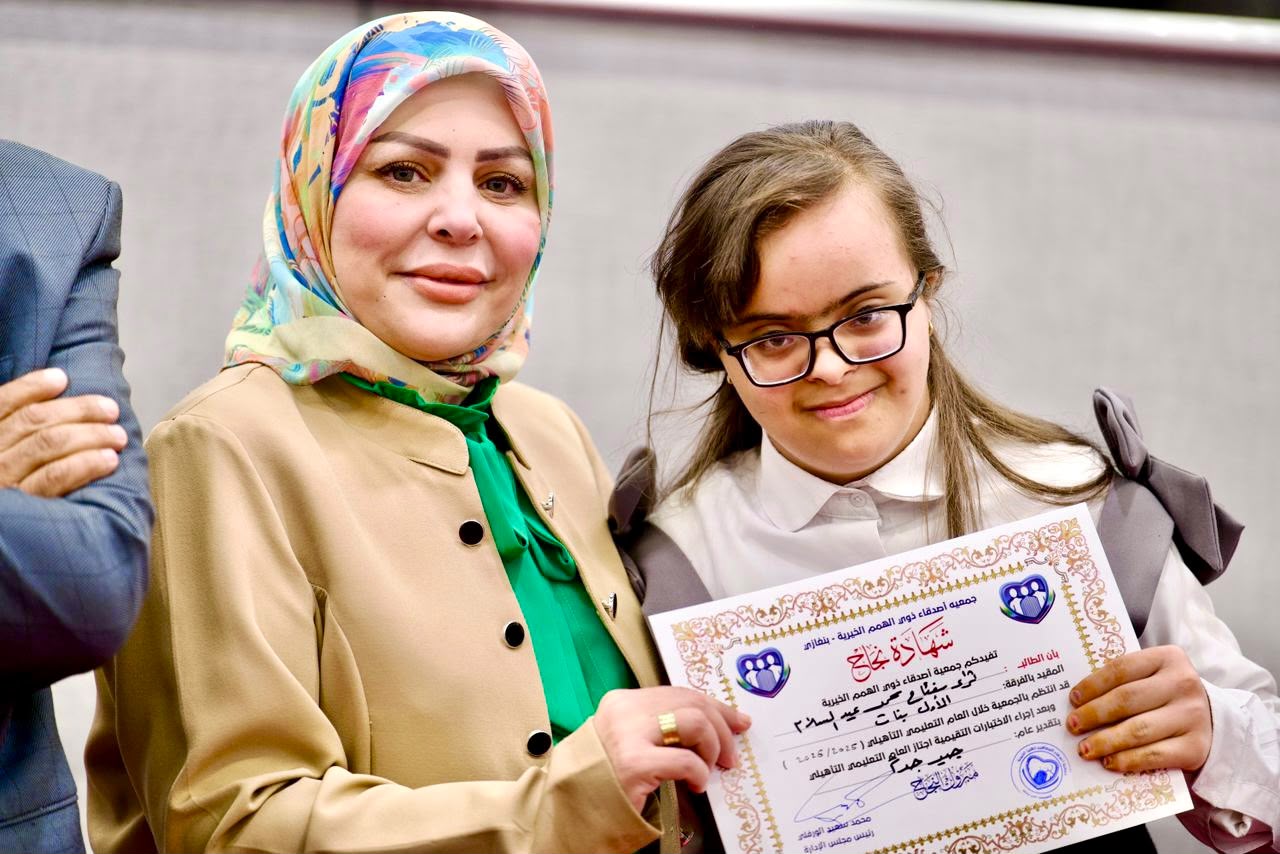
To the dialogue text:
First, how would you assess the reality of Libyan women today? And what are the most prominent challenges they face?
The reality of Libyan women today is complex, marked by a determination to participate and contribute, alongside political, economic, and social challenges that continue to affect their empowerment and active participation in various fields.
Among the most prominent of these challenges are the continued institutional division and political disputes, which limit women's access to decision-making positions and affect their opportunities for fair and effective representation.
Activists and female politicians also face systematic smear campaigns, hate speech, and social stigma on digital platforms with the aim of excluding them from public life, in addition to economic challenges represented by limited job opportunities and difficulty accessing funding amid successive economic crises.
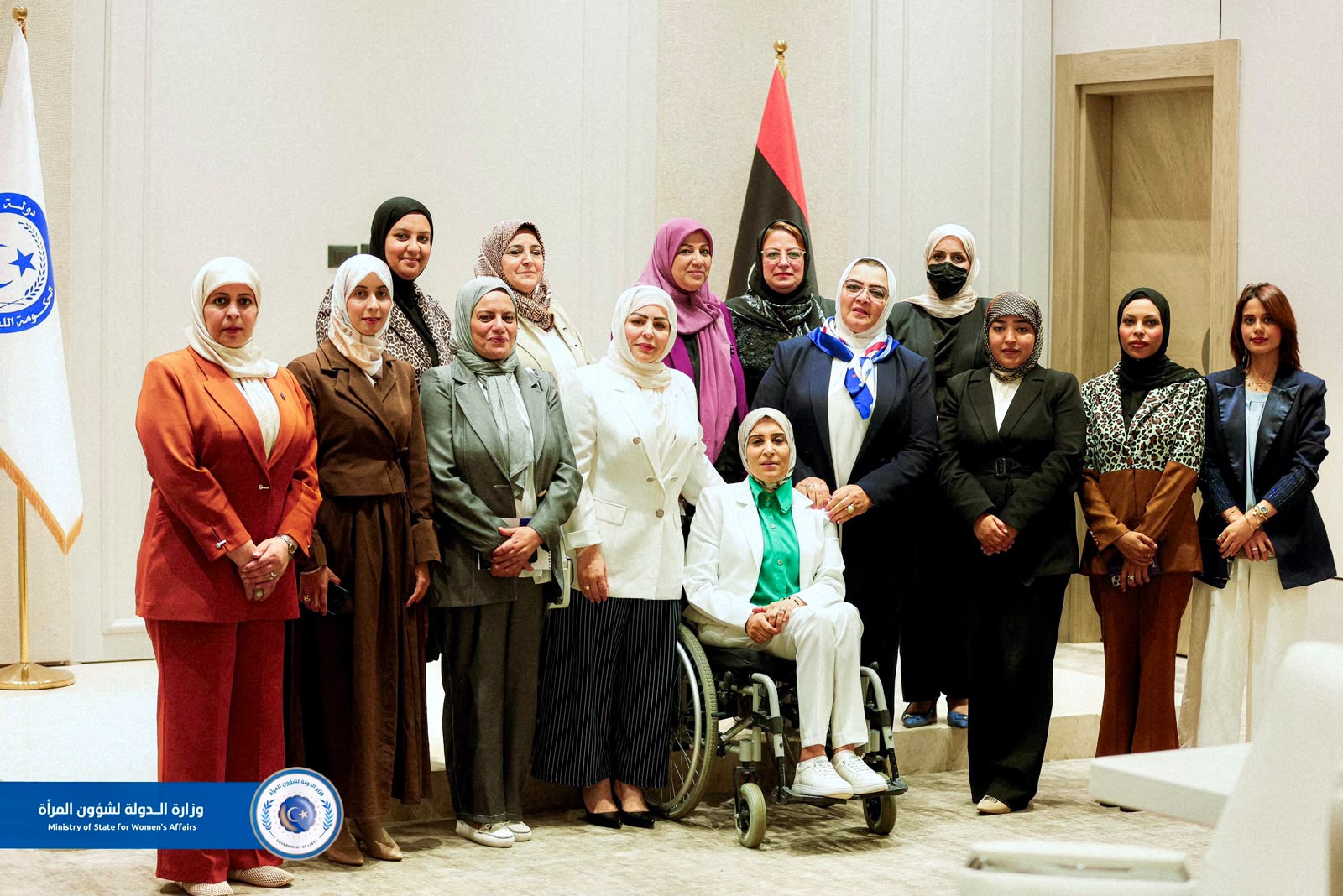
How can a woman's file be transformed from a social file into a genuine partnership in decision-making?
Moving to a genuine decision-making partnership requires shifting the perception of women from being targets of social welfare to being considered essential partners in shaping public policies.
This will be achieved by institutionalizing women's empowerment through strengthening their presence in leadership positions and advisory bodies, and integrating a gender perspective in the preparation of laws, development plans, and state budgets, ensuring their active participation in planning and decision-making.
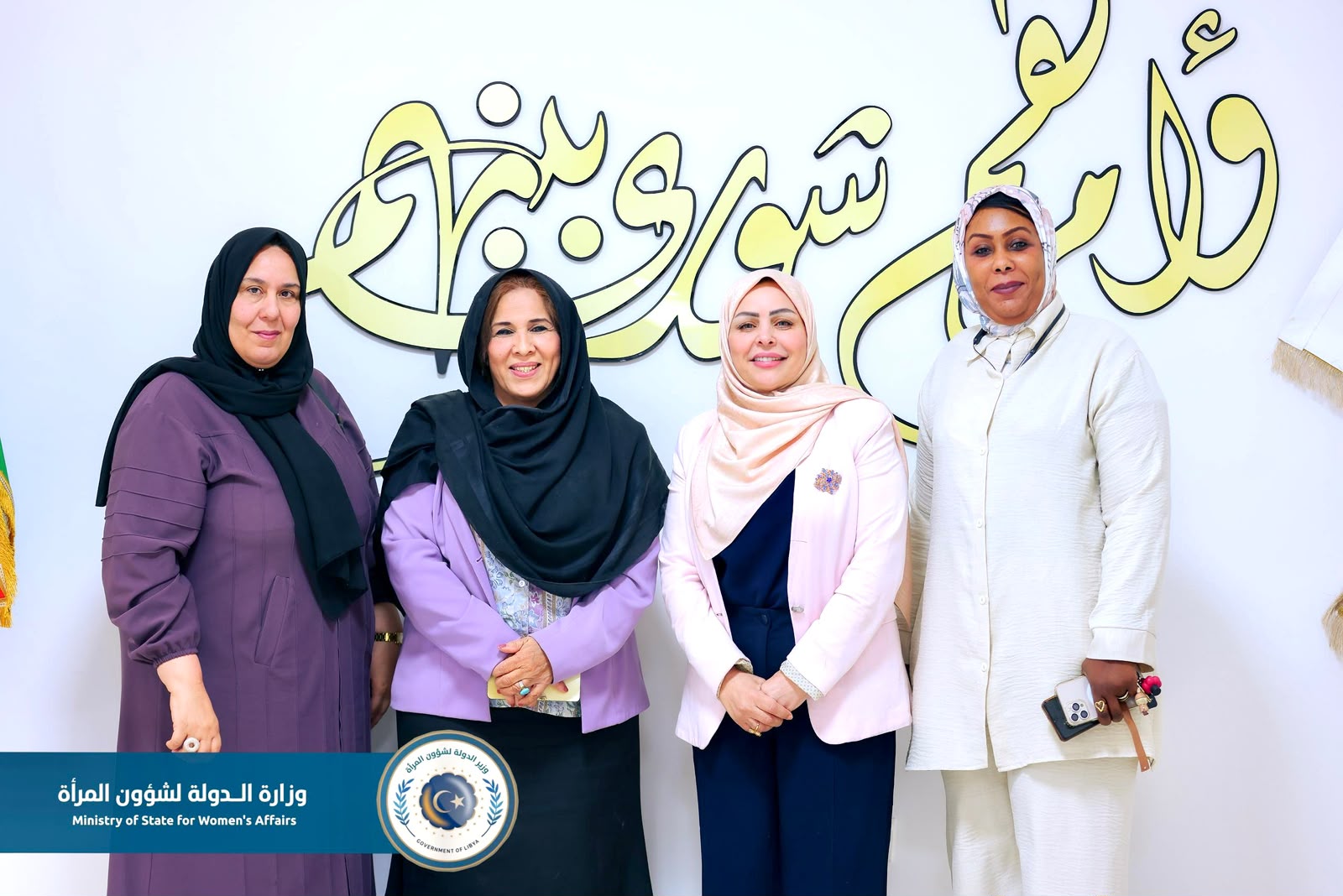
How do you view the level of representation of women in government and leadership positions?
Libyan women remain far from achieving fair representation in governmental and leadership positions. Despite the presence of distinguished female competencies in ministerial, diplomatic, and administrative roles, this presence is still limited and does not reflect the true potential of Libyan women. This necessitates strengthening the principle of equal opportunities and utilizing national competencies in various positions of responsibility.
What is the Ministry's plan to enhance women's participation in elections and political life?
The plan to enhance women's political participation is based on qualifying them to run in elections through training and capacity-building programs, and providing a safe legal and digital environment that protects them from hate speech and political violence, in addition to encouraging parties and political forces to give women real opportunities to nominate and compete and place them in advanced positions within electoral lists.
How have crises and conflicts affected the situation of Libyan women?
Libyan women have been among the most affected groups by crises and conflicts, bearing the burdens of displacement, loss of income sources, and increasing family responsibilities. Despite their great resilience and adaptability, these conditions have drained much of their energy, which could have been utilized in development and production.
What are the most prominent economic programs to support women in the labor market?
Economic empowerment is one of the most important pillars of supporting women, through the establishment of business incubators dedicated to female entrepreneurs, facilitating their access to financing and soft loans, in addition to providing specialized training programs that are compatible with the needs of the labor market, especially in the fields of technology, the green economy, and modern management.
How does the ministry handle the issue of violence against women?
The issue of violence against women is one that requires integrated legislative and institutional treatment. This can be achieved by developing laws that provide protection from various forms of violence, including cyber violence and extortion, alongside supporting women's protection units, providing safe reporting channels, and ensuring legal, psychological, and social support for victims.
What is the nature of cooperation with international and African organizations?
Cooperation with international and African organizations is based on the exchange of expertise, capacity building, and leveraging best practices in developing national strategies and promoting women's participation, while emphasizing the importance of respecting national sovereignty and the cultural specificities of Libyan society, ensuring that cooperation programs align with national priorities.
What role can women play in reconstruction and economic development?
Libyan women represent an essential element in reconstruction efforts and sustainable development, owing to their scientific and professional competencies and expertise in various fields. Their role is not limited to implementation, but rather includes participation in planning, policy formulation, and developing visions that ensure sustainable development responding to the community's needs.
And what about empowering women in the South and rural areas?
Empowering women in the South and rural areas is a special priority, through the implementation of development and educational programs, support for local production projects, enhancement of services, and the establishment of communication channels that ensure the needs of women in those regions reach decision-making institutions, contributing to reducing the development gap and achieving spatial justice.
How does the Ministry support entrepreneurship and small and medium-sized enterprises?
Entrepreneurship support relies on providing a stimulating environment for innovation by creating digital platforms for marketing women entrepreneurs' projects and implementing training programs in financial management, feasibility studies, and e-marketing, alongside facilitating access to funding and consultations to ensure the sustainability and growth of projects.
What are the features of the legislative reform plan concerning women's rights?
The legislative reform plan aims to review existing laws and remove any provisions that may limit equal opportunities, as well as to develop legislation related to work, social security, entrepreneurship, and intellectual property, while preparing legal frameworks that keep pace with digital developments and the requirements of sustainable development.
Finally... How can we confront the stereotype of women in society?
Stereotypes are confronted by highlighting successful female role models in various fields, promoting a culture that appreciates competence and achievement, adopting balanced discourse based on national, social, and legal values, and emphasizing that women's empowerment is an investment in the family and society, contributing to development and stability.