From the sea to influence: Why is the UAE building its logistics empire in Africa?
Investments led by DP World and AD Ports are boosting the development of African ports.
Written by: Mohammed Omran
In recent years, African ports have become one of the most important arenas of global economic competition, after major powers realized that control over trade routes and supply chains has become a key element of economic influence.
In this race, the UAE's presence has become clearly visible through huge investments by DP World and AD Ports, with the aim of building a logistics network linking the African continent to global markets.
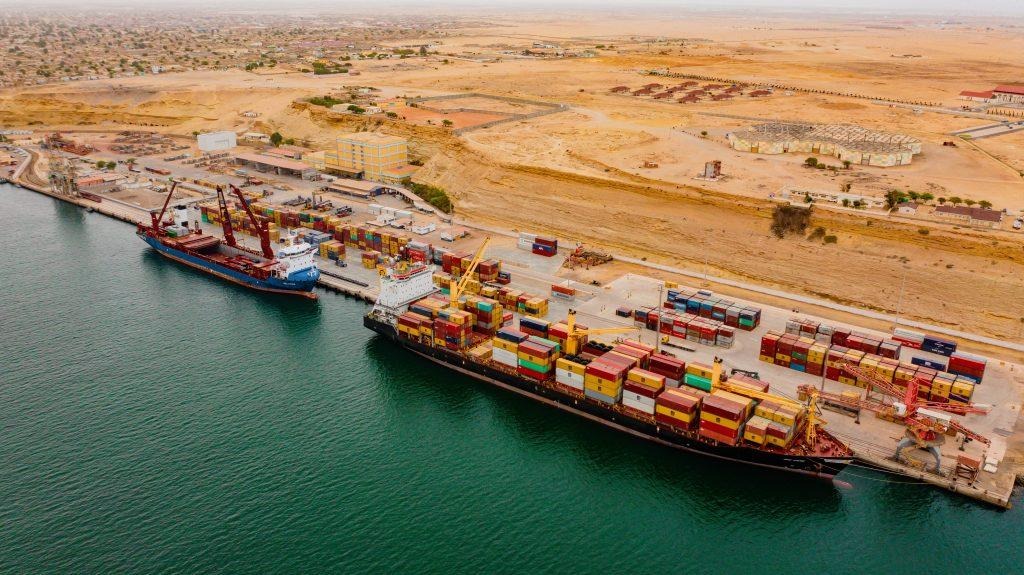
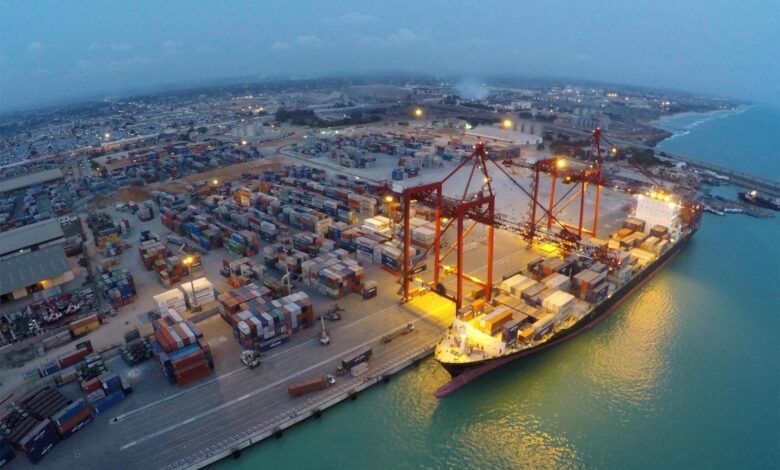
During 2025, the UAE-based company DP World announced a $2.5 billion investment plan to expand its global logistics infrastructure network, with projects in Africa as part of its plan to enhance port capabilities and supply chains.
The UAE strategy does not focus solely on operating ports, but rather aims to build an integrated system that includes ports, industrial zones, warehouses, and transport services, allowing African ports to be transformed into regional trade hubs.
A global network comprising more than 60 ports and marine terminals
DP World has a global network of more than 60 ports and marine terminals across different continents, and operates logistics services in more than 80 countries, with an African presence in countries including Egypt, Senegal, Angola, Mozambique, Rwanda, Tanzania and Somalia.
In Egypt, the company operates the Ain Sokhna port terminal within the Suez Canal Economic Zone, connecting it to a global logistics network that includes warehousing, transportation and commercial services.
Cameroon: The latest stop in the UAE's expansion
In February 2026, Abu Dhabi Ports Group (AD Ports) announced that it had entered into a 30-year concession agreement to develop and operate a new bulk cargo terminal at the port of Douala in Cameroon.
The port of Douala is Cameroon’s main maritime gateway, handling approximately 80% of the country’s bulk cargo shipments and representing about 85% of the national trade volume.
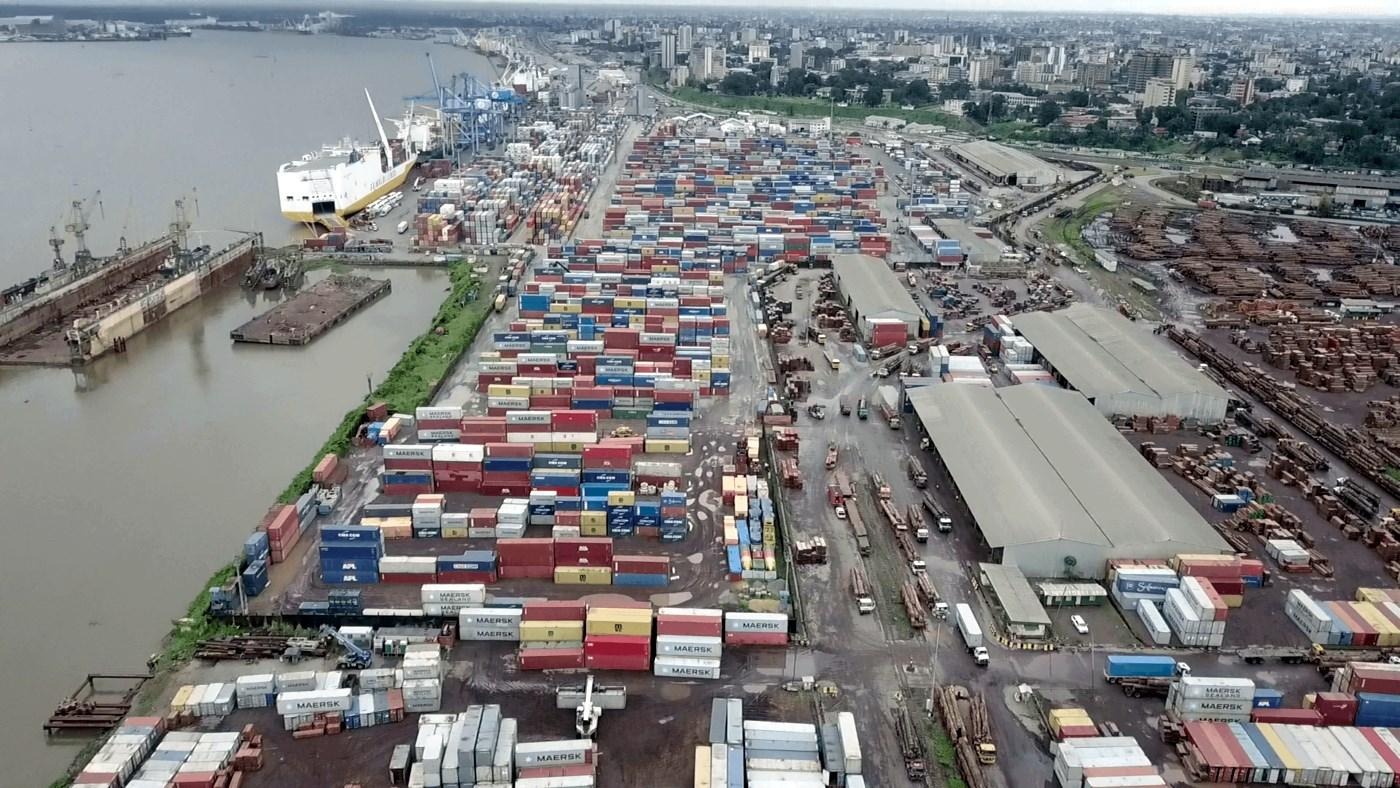
The project includes the establishment of a handling station with a capacity of up to 4 million tons per year of bulk goods, such as grains, fertilizers and gypsum, with investments for the first phase estimated at around 320 million UAE dirhams, in addition to expectations of providing around 4,000 direct and indirect job opportunities.
Why is the UAE interested in African ports?
Africa represents a huge market due to rapid population growth and the increasing volume of internal trade with the implementation of the African Continental Free Trade Agreement, which aims to create the largest free trade area in terms of the number of participating countries.
The continent’s geographical location also makes its ports strategic points on trade routes between Asia, Europe and the Middle East, especially the ports of the Red Sea, the Gulf of Aden and West Africa.
International competition for ports
The UAE is not alone in this sector; African ports have become an arena of competition between China, Turkey, and European countries, especially with the increasing importance of African minerals, energy, and global supply chains.
But the Emirati model relies on combining investment, operation, and logistics, not just financing the construction of ports, which gives it a greater role in the movement of trade in the continent.
With continued investment, it appears that African ports will become one of the most important tools of economic influence in the coming years, as the competition is not only about ships and goods, but also about who holds the keys to future trade in Africa.