Pledging to tighten measures... Will Nigeria succeed in eliminating child labor by 2030?
Significant challenges hinder Nigeria's efforts against child labor.

Written by: Mohammed Omran
Amid the continued worsening of the labor phenomenon children In a number of developing countries, Nigeria is once again placing this issue at the top of its priorities through official pledges to tighten procedures and strengthen policies to confront it, in an attempt to get closer to the global goal of eliminating this phenomenon by 2030.
Nigeria faces significant challenges despite its official pledges to combat the phenomenon.
Between declared government ambitions and complex field challenges, the question remains as to whether Africa’s most populous country can translate its commitments into tangible action that addresses one of the most sensitive social issues.

Nigeria pledges to tighten its measures to combat child labor before 2030
The Nigerian government says it is stepping up its efforts to eliminate child labor as part of its drive to achieve the global goal of eradicating the phenomenon by 2030.
During his participation in the 114th session of the International Labour Conference held in Geneva, Switzerland, Mr. Magaji Ademu, Director of the Inspection Department of the Ministry of Labour and Employment, explained that Nigeria remains fully committed to ending all forms of child labour.

Adimo, speaking to reporters on the sidelines of the conference, noted that key policy frameworks had been developed with international support, explaining that the National Policy to Combat Child Labor and the National Action Plan had been adopted with the support of the International Labour Organization.
He revealed that these documents will be officially launched on June 16 in the capital, Abuja, saying: «Our national policy on child labor and national action plan have been adopted with the support of the International Labour Organization, and will be launched in Abuja on the sixteenth of this month as scheduled.».
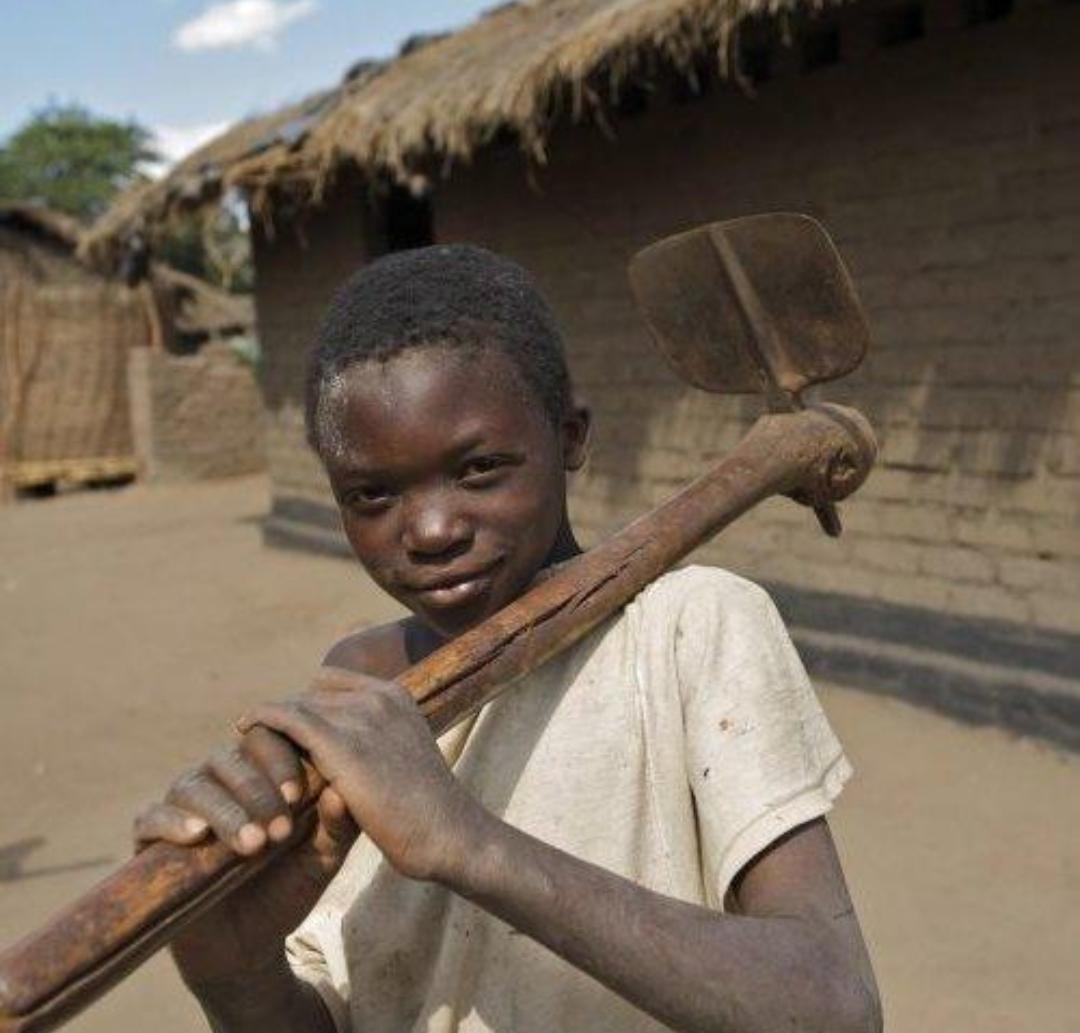
He affirmed that the government’s position is in line with global commitments under the Marrakesh Declaration, which calls on all countries to eliminate child labor through strong political will, the provision of social protection, and the activation of law enforcement.
He added that Nigeria had agreed to implement the resolutions issued by the International Conference on Child Labour, referring to the symbolic “Red Card” campaign as a collective call for global action against this phenomenon.
Ademu said: "We have issued a strong warning about child labor worldwide, reflecting the need for countries to commit to eliminating it completely.".
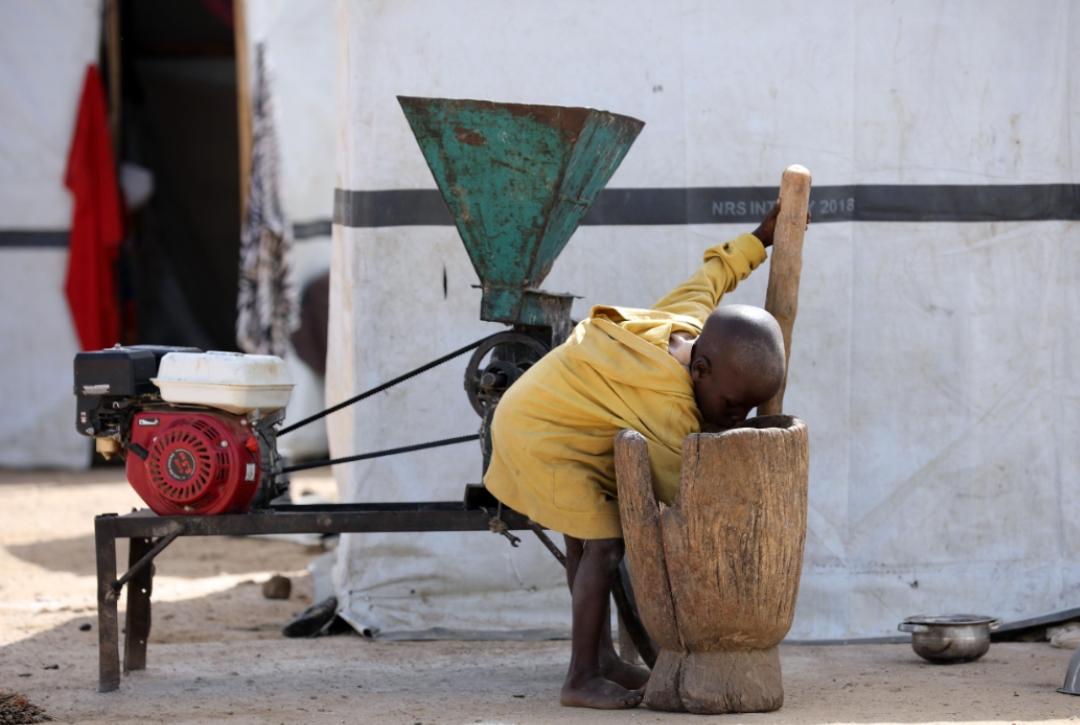
He concluded by emphasizing that despite the progress made, the government still faces significant challenges, most notably weak law enforcement and difficulty accessing rural areas where these practices are widespread, while stressing the continued work to strengthen oversight mechanisms and address existing gaps.