Uganda launches largest drought relief operation in Karamoja
Written by: Mohamed Ragab
The Ugandan government has launched an emergency food aid distribution program in the northeastern Karamoja region, following a prolonged drought that has caused a decline in agricultural production and increased food insecurity, amid fears of worsening humanitarian conditions in the region.
The government confirmed that the relief plan targets 313,987 families spread across 480 villages in nine provinces within the region, through the distribution of approximately 9.4 million kilograms of corn and bean flour, to meet the urgent food needs of families most affected by the effects of the drought.
Drought exacerbates food security crisis in Karamoja
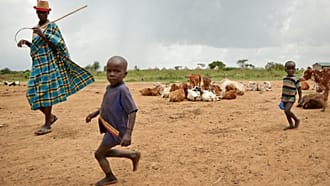
Karamoja is one of the most drought-prone regions in Uganda, where the lack of rain in recent months has led to crop failures and depleted household food stocks, causing increased humanitarian needs and rising levels of hunger among the population.
The government explained that the emergency intervention aims to reduce the repercussions of the crisis and ensure that food reaches the most vulnerable groups, especially children, women and the elderly, who face increased risks as a result of food shortages and malnutrition.
Aid distribution in nine provinces
Ugandan Prime Minister Rubinah Nabanga announced that aid distribution operations have already begun, noting that the government has coordinated with local authorities to ensure that food supplies reach all targeted areas as quickly as possible.
She affirmed that the government will continue to monitor the humanitarian situation in Karamoja, continuously assessing needs to ensure that the necessary support is provided to affected families until climatic conditions improve and agricultural activity resumes.
Calls to strengthen the humanitarian response
Experts believe that food aid is an urgent response to the crisis, but they stress the need to implement long-term solutions, including strengthening water harvesting projects, developing irrigation systems, and supporting farmers with drought-resistant seeds, which will help reduce the impact of climate change on food security.
Officials and humanitarian organizations have also called for continued international support for the Karamoja region, which faces recurring challenges due to drought, stressing that investment in agricultural development and strengthening the ability of local communities to adapt to climate change are among the most important ways to reduce dependence on emergency aid in the future.