US sanctions Tanzanian police chief over human rights abuses
The United States imposes restrictions on a senior security official in Tanzania.
Written by: Mohamed Ragab
The United States has imposed sanctions on a senior Tanzanian police official, in a move reflecting escalating Western pressure on the Tanzanian government over its human rights record, amid growing accusations of abuses against opposition figures and political activists.
US Secretary of State Marco Rubio announced that Washington had decided to impose restrictions on Tanzanian police chief Faustin Jackson Mavweli, barring him from entering the United States, after what he described as "credible information" linked him to serious human rights violations, including torture and sexual assault against East African activists.
Criticism from human rights organizations
These sanctions come at a time when the Tanzanian president's government is facing increasing criticism from international human rights organizations, amid accusations of using a security crackdown against the political opposition, journalists, and activists.
The US sanctions are linked to an incident that sparked widespread controversy last year, after Kenyan activist Boniface Mwangi and Ugandan activist Agather Attuhire traveled to Tanzania in solidarity with the Tanzanian opposition leader who is facing trial on charges of treason, a case that could carry the death penalty.
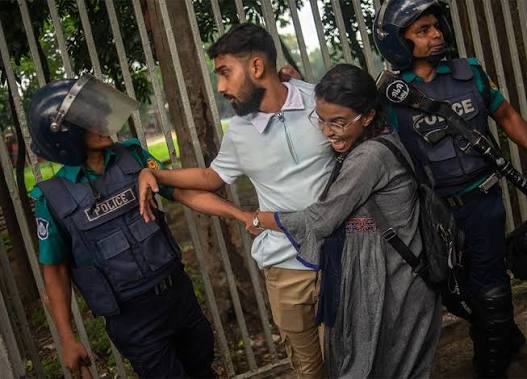
According to activists, they were forcibly detained for several days by security forces before being transferred near the border with their respective countries, and they confirmed that they were subjected to torture and sexual assault during their detention.
In contrast, the Tanzanian authorities denied these accusations, describing the activists' testimonies as "unsubstantiated claims" and "mere opinions," but the case sparked widespread condemnation within human rights circles in Africa and beyond.
International criticism of Tanzania's human rights record is mounting.
Observers believe that the US sanctions represent a significant shift in Washington's approach to the Tanzanian issue, especially as it is the first time that a US administration has directly targeted a senior official in President Samia Hassan's government since she came to power.
This move also comes amid growing international criticism of the political situation in Tanzania, following recent elections that saw accusations of restricting the opposition and preventing a number of political figures from running.
Human rights reports have confirmed that Tanzanian security forces have responded to political protests with excessive violence in recent times, amid international calls for independent investigations into allegations of abuses against protesters and activists.
Although the current sanctions are limited to a travel ban, analysts believe they carry strong political messages to the Dodoma government and could pave the way for further measures if the human rights allegations continue.
For his part, Tanzanian Foreign Minister Mahmoud Thabet Kombo said that his government has not yet received official notification of the US sanctions, stressing that his country will deal with the matter through diplomatic channels.
It is estimated that Washington may use the human rights issue as an additional bargaining chip to reshape its relations with a number of African governments, especially in light of growing Western concerns about the decline of political freedoms in some countries of the continent.