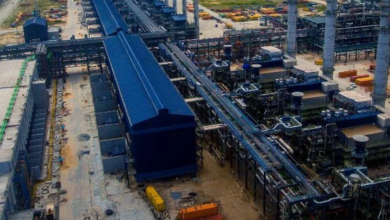
Nigeria aims to increase oil production to 3 million barrels per day
Energy reforms in Nigeria...
Written by: Qusay Ahmed
Federal government officials agreed Nigerian The plan outlines a strategy to raise oil production to 3 million barrels per day, in parallel with proposals to reform the electricity market, in a move aimed at boosting investor confidence and stimulating long-term investment flows in the energy sector.
Energy reforms in Nigeria
These moves come at a time when Nigeria is facing severe challenges, with oil production still below 1.5 million barrels per day, along with a chronic shortage of electricity supply, which is negatively impacting the country's economic and industrial activity.
During a meeting held on Monday, the President’s Special Advisor on Energy, Ulu Verheijen, discussed with the Minister of Finance and Coordinating Minister of Economy, Taiwo Uedele, ways to enhance coordination between fiscal and sectoral policies, with the aim of providing the necessary funding to achieve oil production targets.
Nigeria's oil production is below 1.5 million barrels per day
The meeting came as part of broader efforts led by Nigeria’s Energy Sector Reform Unit to mobilize resources and raise capital in support of President Bola Tinubu’s plan to increase production.

The discussions focused on practical mechanisms for redesigning the electricity market to ensure improved operational efficiency, increased transparency, and the restoration of investor confidence – all crucial elements for attracting sustainable investments in energy infrastructure.
In a comment via the X platform, Verheijen explained that these consultations are part of ongoing work to support the economic reform program, noting that the discussions addressed finding an effective alignment between fiscal policies and the needs of the sector, which would allow for greater fiscal space and enhance the ability to finance vital projects.
Despite the importance of these trends, the government has not revealed specific timetables for implementing the reforms or achieving the production targets, leaving questions about the pace of implementation in light of the financial constraints facing the country.
Nigeria suffers from a large gap in the electricity sector, with current production not exceeding about 5,000 megawatts, compared to a demand estimated at more than 40,000 megawatts, which represents one of the most prominent obstacles to economic growth and improving living standards.
Observers believe that the success of these initiatives will depend on the government's ability to implement effective structural reforms and provide a stable and attractive regulatory environment for investment, which will support economic recovery efforts and enhance Nigeria's position as one of the leading energy producers in Africa.