Zambia rejects "trading" health for minerals: Behind the scenes of negotiations with Washington
Zambia reveals reasons for the failure of health and mining agreements with Washington
Written by Khaled Mahmoud
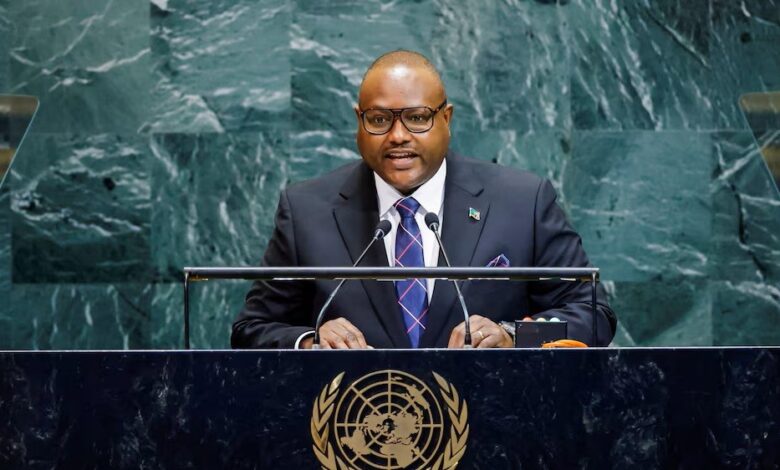
In a move reflecting a commitment to national sovereignty and strategic resources, the Zambian government has officially announced its opposition to US attempts to link health sector funding to access to vital minerals, revealing for the first time the real reasons behind the stalled negotiations on two pivotal agreements between the two countries.
The Foreign Minister revealed ZambianMulombo Haimbe stated in an official statement on Monday that Washington had offered up to $2 billion in financial support over the next five years as part of a proposed health agreement. Despite the substantial sum, Haimbe confirmed that negotiations had stalled due to “unacceptable” terms related to data sharing.

Concerns about privacy violations
The minister explained that the Zambian government views the American demands for sharing health data as a clear violation of citizens' privacy and rights, stressing that Zambia will not sacrifice the security of its people's data in exchange for financial support.
The policy of “conditional linkage”... the crux of the dispute
Regarding the mining sector, Heimbe noted significant objections to the proposed biominerals agreement. In a statement, Heimbe said, “Another concern… is the linking of the proposed agreements and frameworks to one another, making the conclusion of the biominerals agreement contingent upon the conclusion of the health memorandum of understanding.”.

He stressed that “the government Zambian I have always stressed the need to examine the two agreements separately, each according to its merits.” He did not specify what type of health data the United States is requesting.
Reactions and warnings
While the US State Department remained silent, citing the confidentiality of the bilateral negotiations, observers and health experts praised Zambia's stance. Health rights advocates had previously warned against linking humanitarian aid to the mining sector, viewing it as a form of economic pressure that could compromise national sovereignty.
This diplomatic tension comes at a time of intensifying international competition for African minerals, placing Zambia at the heart of a geopolitical struggle between superpowers vying to secure clean energy and technology supply chains.
It is worth noting that Zambia is the second largest producer of copper in Africa, and possesses huge reserves of minerals essential for modern technological industries.