Population and trade growth: factors that make Africa an attractive destination for global airlines
Written by: Mohammed Omran
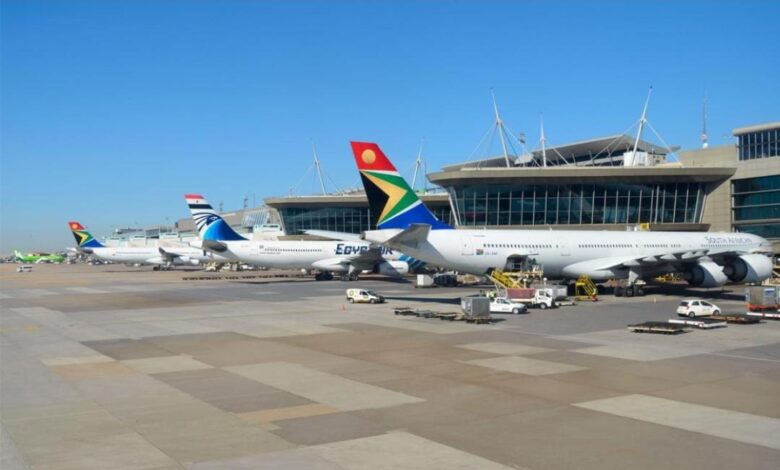
For global airlines, Africa is no longer just a marginal market or transit point, but has transformed in recent years into one of the most promising markets in the aviation industry, with a growing population, rising economic growth rates, expanding trade and investment, and a strong return of tourism after years of slowdown.
While some traditional markets in Europe, North America and Asia are experiencing a relative slowdown in growth rates, global airlines are racing to open new routes to African cities, in a race that is not only about transporting passengers, but also about controlling one of the fastest growing air transport markets in the coming decades.
Africa: The second fastest-growing aviation market
The International Air Transport Association (IATA) forecasts that Africa will be among the fastest-growing regions in the world in terms of passenger traffic until 2044, with an annual growth rate of approximately 4.1%, with the number of passengers reaching more than 411 million over the next two decades. Demand for air travel within the continent is also expected to register growth of 6% during 2026, a rate that exceeds the global average.
This growth is not only related to population growth, but also to rising incomes, the expansion of the middle class, increased business activity, tourism, education, and migration between African countries and beyond.
1.4 billion consumers attract airlines
More than 1.4 billion people live in Africa today, and the number is expected to exceed 2 billion in the coming decades, making the continent one of the world's largest consumer markets.
Airlines see this population increase as meaning a continued rise in demand for travel, whether for business, tourism, study or visiting relatives, which is prompting them to book early slots within the African market before competition intensifies.
Trade and investment are changing the travel map
Travel to Africa is no longer solely linked to tourism, but is also driven by foreign investment. In recent years, investments have expanded in mining, energy, communications, industry and agriculture, while the African Continental Free Trade Agreement (AfCFTA) has contributed to increased movement of businesspeople and goods between African countries.
Airlines recognize that increased trade means increased demand for direct flights and connecting African economic hubs with global financial centers.
The Gulf, Turkey, and Europe are competing for the African traveler.
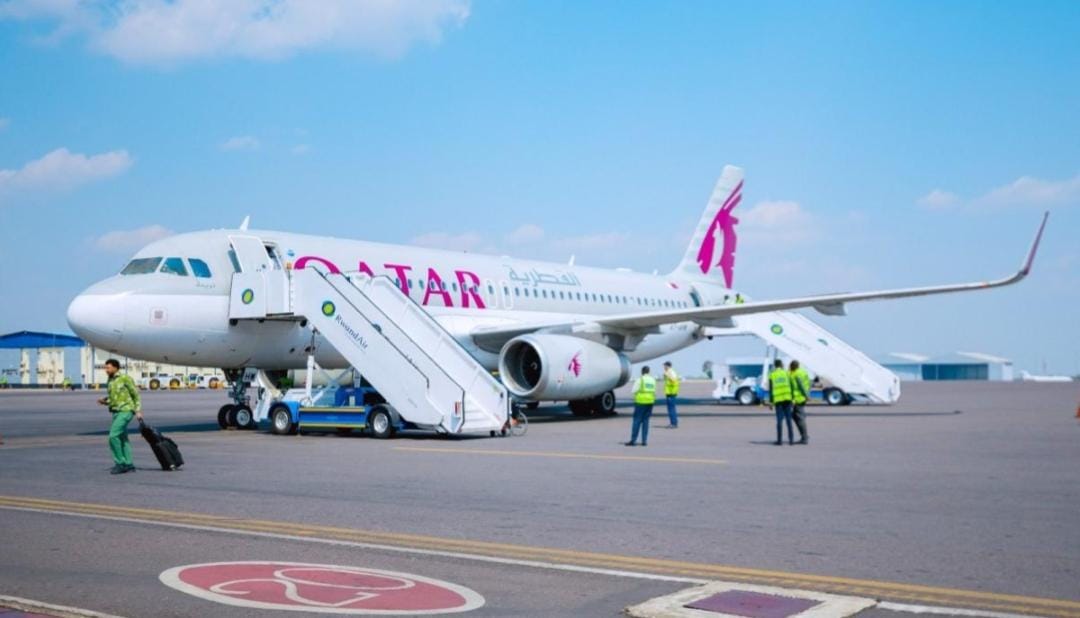
Airlines such as Qatar Airways, Emirates and Turkish Airlines are seeking to strengthen their presence in Africa by opening new destinations or increasing the number of flights.
The goal is not only to transport passengers to Africa, but also to transfer them via Doha, Dubai and Istanbul to Asia, Europe and the Americas, which has made the continent a key part of these companies’ strategies.
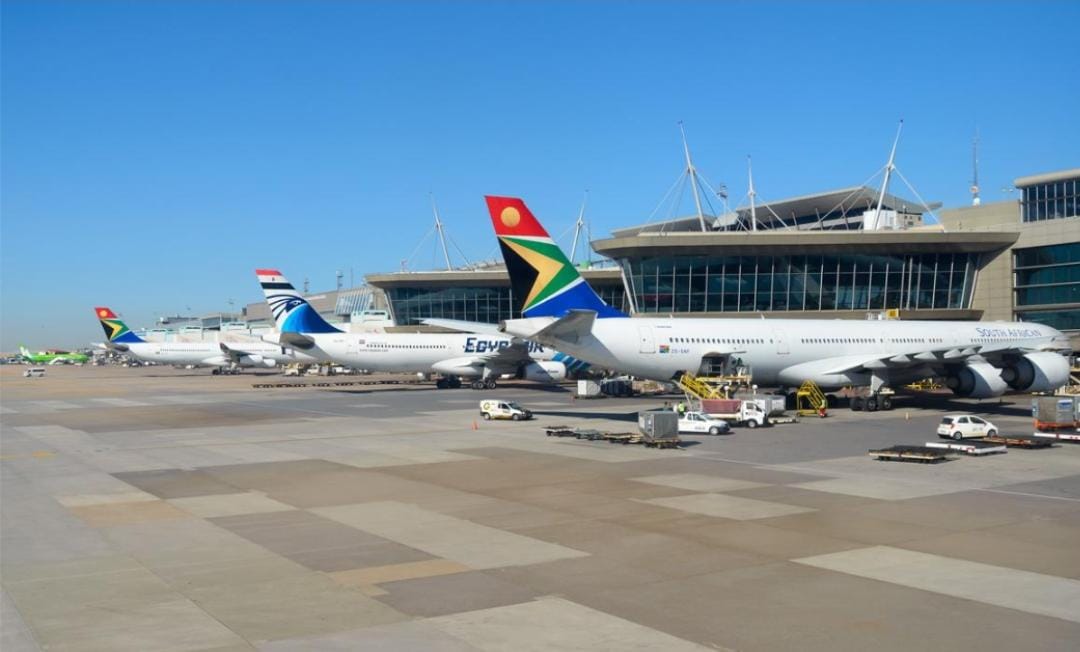
In contrast, European and Asian companies continue to study adding new lines to take advantage of the expected growth in demand.
Ethiopia: The model that changed the equation
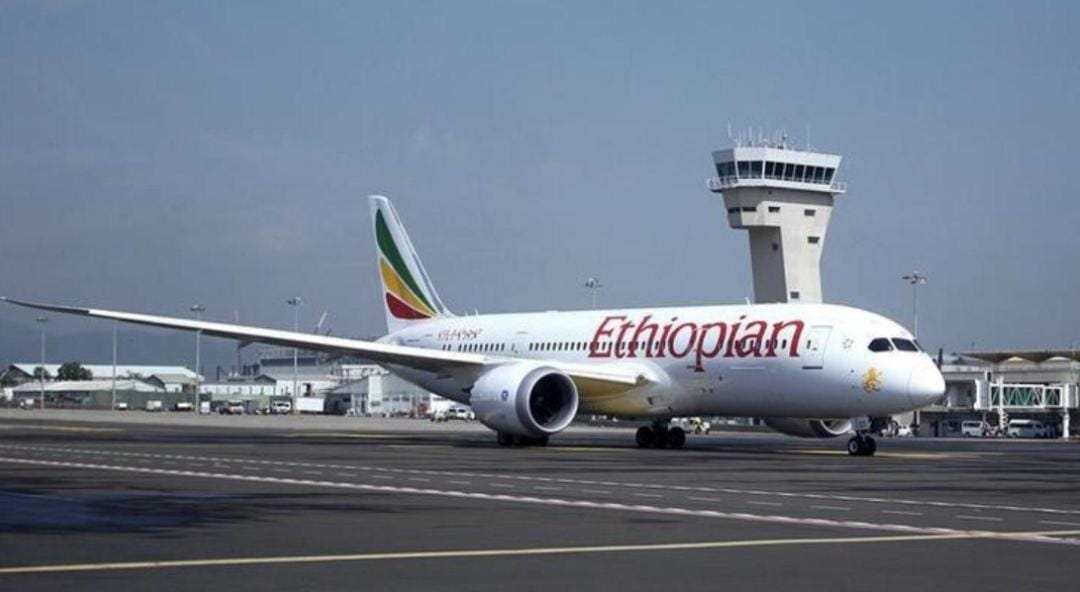
Ethiopian Airlines has succeeded in becoming the largest airline in Africa, benefiting from Addis Ababa's location as a transit hub connecting the continent to the world.
The company’s model is based on continuously expanding its fleet and opening dozens of destinations within and outside Africa, which has made it a competitor to global companies in the intercontinental connectivity sector.
Partnerships such as Qatar Airways' investment in Rwanda are also supporting Kigali's transformation into a new transit hub in East Africa.
Boeing: Africa needs more than a thousand new planes
The stakes are not limited to airlines, but extend to aircraft manufacturers. According to Boeing’s forecasts, Africa will need 1,025 new aircraft over the next 20 years, with the commercial fleet more than doubling in size as a result of the significant growth in passenger and air cargo traffic. This explains the interest of global manufacturers in the continent as one of the most important markets of the future.
Why are flights within Africa still expensive?
Despite these positive indicators, Africa still faces one of the biggest paradoxes in the aviation sector.
According to IATA data, only 19% of flights within the continent are direct, while millions of travelers have to go through Europe or the Middle East to reach another African country.
African airlines also face high operating costs; fuel prices are about 17% higher than the global average, while taxes, airport and air navigation fees are rising, which is reflected in ticket prices and limits the expansion of air networks.
Aviation has become an economic pillar
The aviation sector is no longer just a means of transportation, but has become one of the engines of the African economy.
IATA estimates that the aviation sector contributes about $75 billion to the continent’s GDP, supporting more than 8.1 million jobs directly and indirectly, which is why governments are looking at it as a tool for economic and tourism development, not just a service sector.
Battle for the future market
Analysts believe that what is happening today is not just an expansion in the number of flights, but the beginning of a global race to control a market that will play a bigger role in the global economy in the coming decades.
Every new air route to Africa is not just about transporting passengers, but represents a long-term investment in a continent expected to become one of the world’s largest consumer and production markets, which explains why global airlines are racing to strengthen their presence before competition becomes more difficult.