Egypt's role in strengthening the medical sector in Africa: A strategic vision for health development
Egyptian medical projects are expanding into the African continent.
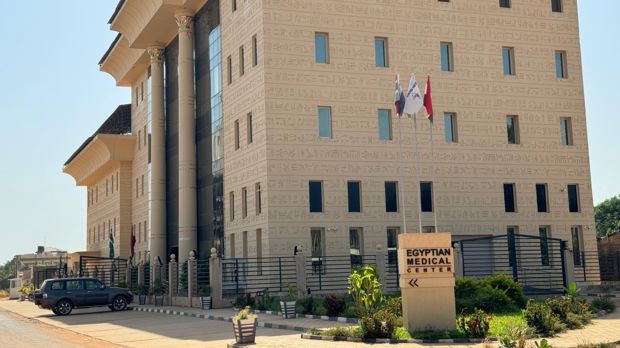
In light of regional and international transformations, Egypt plays a pivotal role in supporting the health sector in the African continent, through strengthening medical cooperation, establishing advanced health centers, and developing local capabilities through training and transfer of expertise.
These efforts represent an extension of a national strategy aimed at spreading health development and achieving regional integration in the field of health care, which contributes to improving public health levels and reducing gaps in medical services across the countries of the continent.
Egypt's expansion in establishing medical centers in African countries
One of the most prominent projects that embodies this role is the establishment of an Egyptian medical center in the Ugandan city of Jinja, which is considered one of the important initiatives in promoting the Egyptian presence in the health sector outside the borders.
The center provides integrated medical services including examinations, emergency care, and treatment of chronic diseases, and also contributes to training local medical personnel, which enhances the sustainability of the health system there.
Egypt's project in Gambia
In West Africa, the Egyptian project in the Gambian capital, Banjul, reflects an advanced level of health cooperation, as the Egyptian Medical Center provides treatment services with international standards, including emergency and intensive care departments, in addition to specialized fields such as assisted reproduction, which represent a qualitative addition to the local health system. The center’s role is not limited to providing treatment, but extends to being a platform for exchanging experiences and training doctors and nurses.

South Sudan
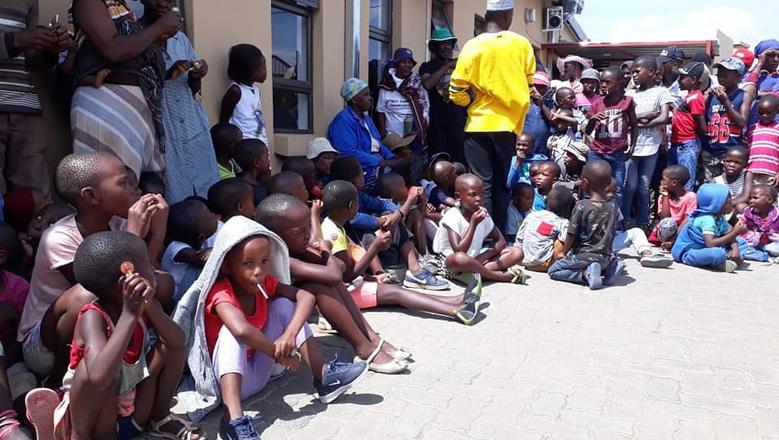
In South Sudan, Egyptian health cooperation was characterized by sending medical convoys comprising specialized teams to the capital, Juba, providing medicines and medical supplies, and opening new treatment units as part of initiatives aimed at combating diseases and improving the quality of health services provided to citizens.
Medical cooperation as a tool for diplomacy and development
The Egyptian role is not limited to establishing hospitals and treatment centers, but extends to signing cooperation protocols with the Ministries of Health in a number of African countries, including training, disease control, and providing Egyptian medicines that represent an important element in African drug markets.
The cooperation also includes the exchange of expertise in the fields of digital health and telemedicine services, enabling the provision of specialized medical consultations to remote areas.
The impact of Egyptian medical initiatives on African health development
These initiatives have yielded tangible results on the ground, most notably:
-Transferring medical expertise and technologies to African personnel.
-Improving the quality of health services in areas lacking infrastructure.
-Reducing the need to travel outside the continent to receive advanced treatment.
- Supporting the Sustainable Development Goals related to health and well-being.