Mauritius in the heart of the Indian Ocean: A journey through an African nation shaped by nature
From volcanoes of rage to an independent state
Geography born from the heart of a volcanic eruption
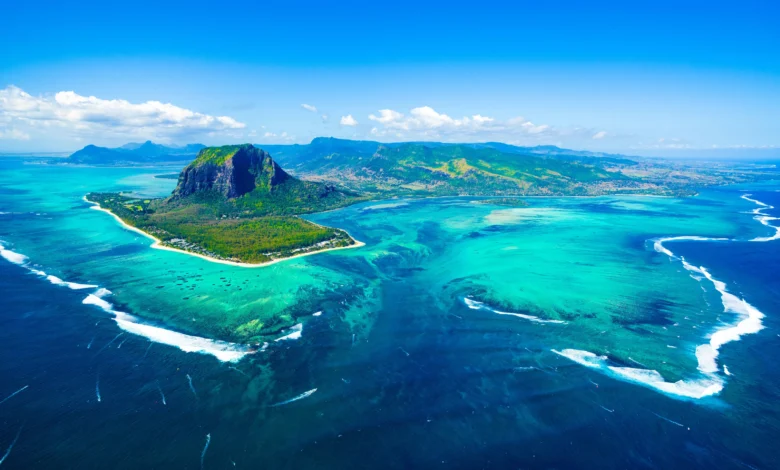
In the heart of the Indian Ocean, about 860 kilometers from Madagascar, lies the Republic of Mauritius on a group of small islands that look like a painting that nature has painted with great care.
These islands did not form normally, but came into existence as a result of massive volcanic explosions under the sea, making them part of the Mascarene volcanic island chain, which also includes Reunion and Rodrigues.
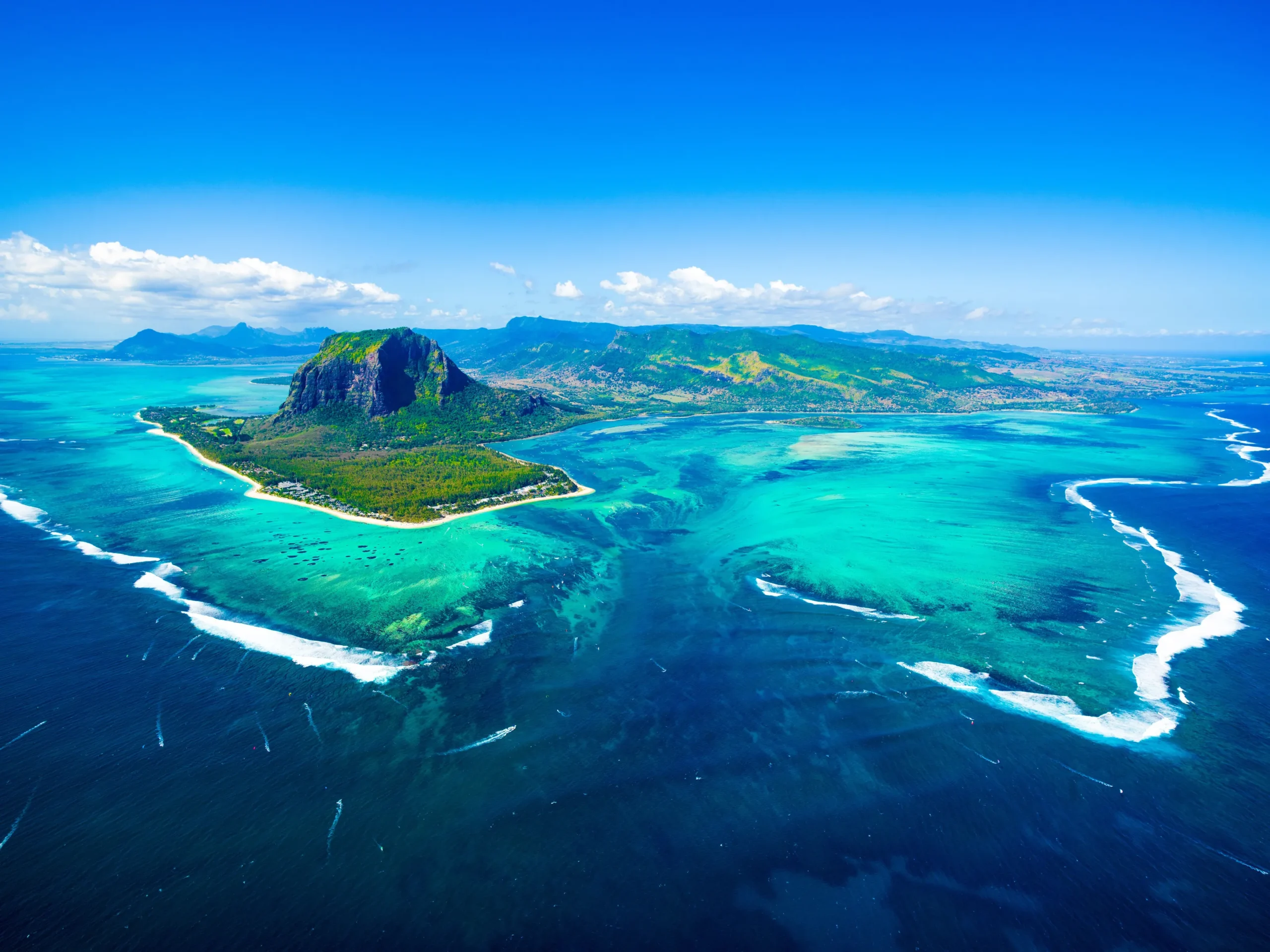
The main island is characterized by unique topography, surrounded by semi-circular mountain ranges, while the land gradually rises from the sandy coasts towards a central plateau that reaches a height of about 670 meters, in a breathtaking natural landscape.
A diverse archipelago in the heart of the ocean
Mauritius is not limited to the main island, but extends to include a group of small and scattered islands, among them
Rodrigues Island: It is located about 560 kilometers east of Mauritius and has an area of 108 square kilometers.
-Agaliga: It consists of two twin islands with a total area of 26 square kilometers.
-Saint Brandon: An archipelago of shallow islands and sandbanks, located about 430 kilometers northeast of Mauritius, used as a fishing site.
A long colonial history and a struggle for influence
Since its discovery, Mauritius has been a target for major colonial powers. In 1598, the first Dutch mission arrived in the Grand Port area, and the first stages of Dutch settlement began in 1638.
Later, control passed to the French in 1715, who established Port Louis, which subsequently became the economic and administrative heart of the island. French control continued until the beginning of the 19th century, when the British entered the scene in 1810, imposing a new administration under Robert Farquhar, which brought about widespread social and economic changes.
From colonialism to independence and building the modern state
After decades of colonial rule, the outlines of independence began to emerge. In 1967, Mauritius held its first general elections, which paved the way for a new constitution.
On March 12, 1968, the country officially declared its independence, beginning a new phase of nation-building. After years of political development, Mauritius became a full republic on March 12, 1992, confirming its final transition from the colonial era to national sovereignty.
Enchanting nature that shaped the island's identity
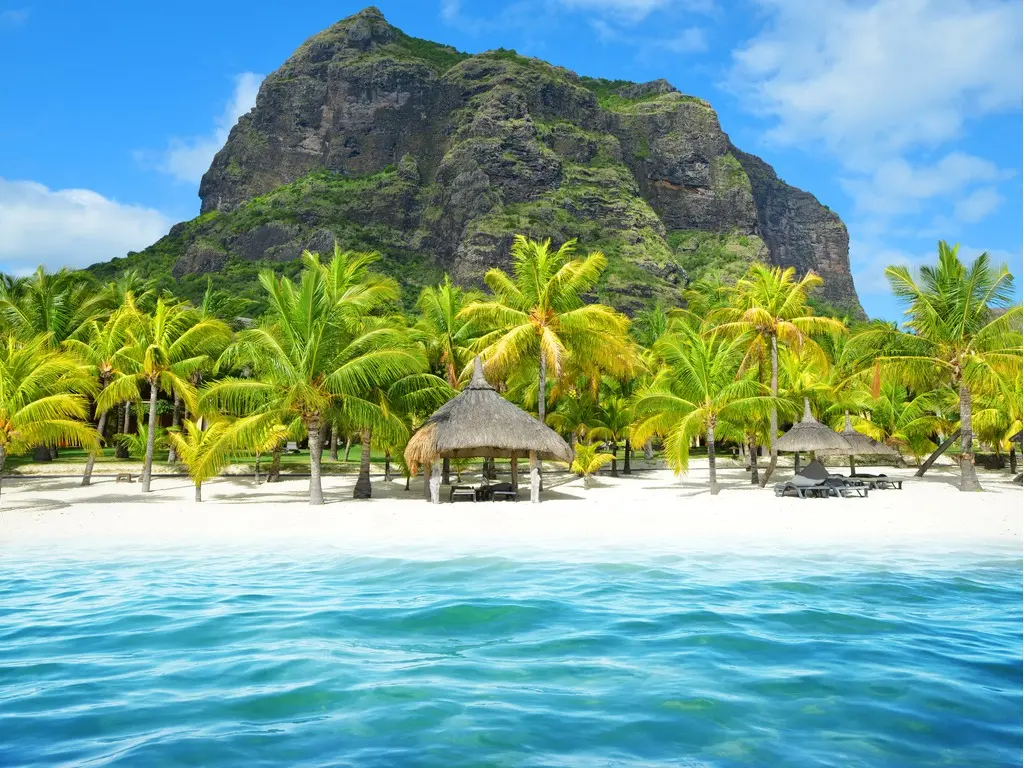
Today, Mauritius is one of the most attractive islands in the world thanks to its unique geographical diversity, where mountains blend with tropical forests and white beaches.