Nigeria announces the release of kidnapped students and teachers after 55 days in captivity.
شهدت الأزمة تطوراً مأساوياً بعد أيام من الاختطاف
Written by: Ayman Ragab
استعاد التلاميذ والمعلمون النيجيريون، إلى جانب عدد من الضحايا الآخرين الذين اختُطفوا خلال الهجوم على مجتمع أهورو-إيسيلي بمنطقة أورير المحلية في ولاية أويو جنوب غربي نيجيريا في 15 مايو، حريتهم يوم الجمعة، بعد نحو 55 يوماً من الاحتجاز.
ووفقاً لوسائل إعلام محلية، نجحت الأجهزة الأمنية في إنقاذ جميع الرهائن المتبقين، لتنتهي بذلك أزمة استمرت قرابة شهرين.
وكان مسلحون قد اقتحموا مجتمع أهورو-إيسيلي في 15 مايو، وهاجموا مدرسة ثانوية، واختطفوا 46 تلميذاً ومعلماً ومدير المدرسة، في حادث أثار موجة واسعة من الغضب داخل نيجيريا، وأعاد إلى الواجهة المخاوف بشأن تدهور الأوضاع الأمنية في المدارس.
إدانة واسعة لعملية الاختطاف
وأدانت حكومة ولاية أويو ومنظمات المجتمع المدني والزعماء الدينيون وعدد من الجهات المعنية بقطاع التعليم عملية الاختطاف، مطالبين بالإفراج الفوري وغير المشروط عن جميع الرهائن.
وشهدت الأزمة تطوراً مأساوياً بعد أيام من الاختطاف، إذ أفادت تقارير بمقتل أحد المعلمين المختطفين، السيد مايكل أوييدوكون، بعد أن أقدم الخاطفون على قطع رأسه، ما زاد من حالة القلق العام، وعزز الدعوات إلى تشديد الإجراءات الأمنية لحماية المدارس والمجتمعات الريفية.
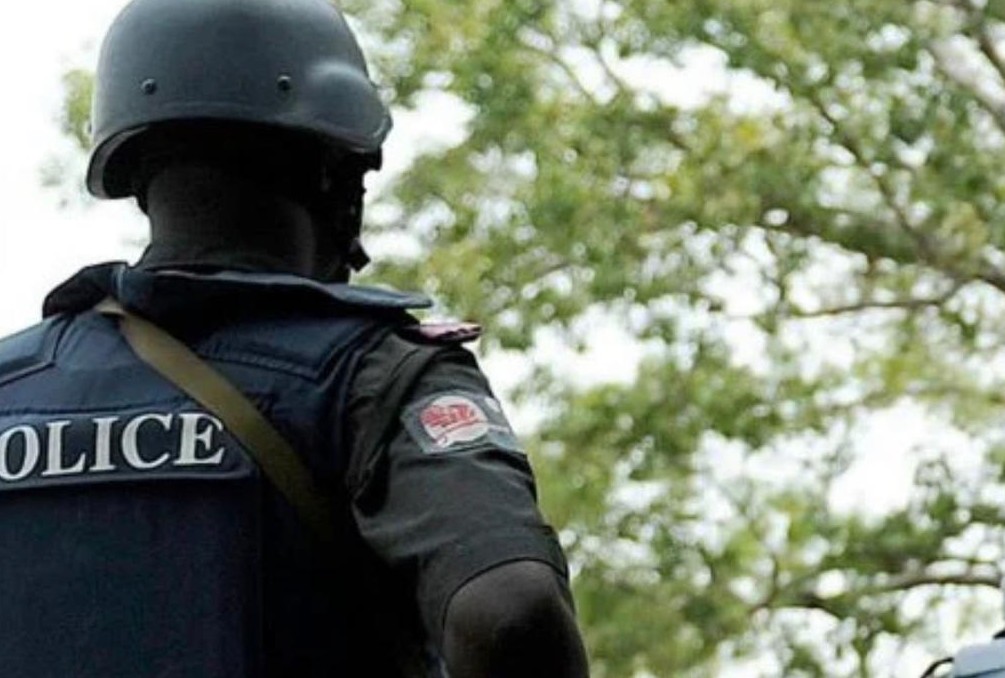
وفي أعقاب ذلك، أطلقت الأجهزة الأمنية عمليات بحث وإنقاذ منسقة في مناطق مختلفة من ولاية أويو والمناطق المجاورة، بهدف تحرير المختطفين.
ومع استعادة حرية جميع الرهائن، من المنتظر أن تركز السلطات على تقديم الرعاية الطبية والدعم النفسي لهم، والعمل على إعادة دمجهم في المجتمع، إلى جانب الكشف عن مزيد من التفاصيل بشأن عملية الإنقاذ والإجراءات التي سيتم اتخاذها لمنع تكرار مثل هذه الهجمات على المدارس.
إشادة رئاسية بالعملية
وفي السياق ذاته، أعرب الرئيس النيجيري بولا تينوبو عن سعادته بنجاح قوات الأمن في تحرير الأطفال والمعلمين المختطفين من مجتمع أوريري في أوغوموسو بولاية أويو.
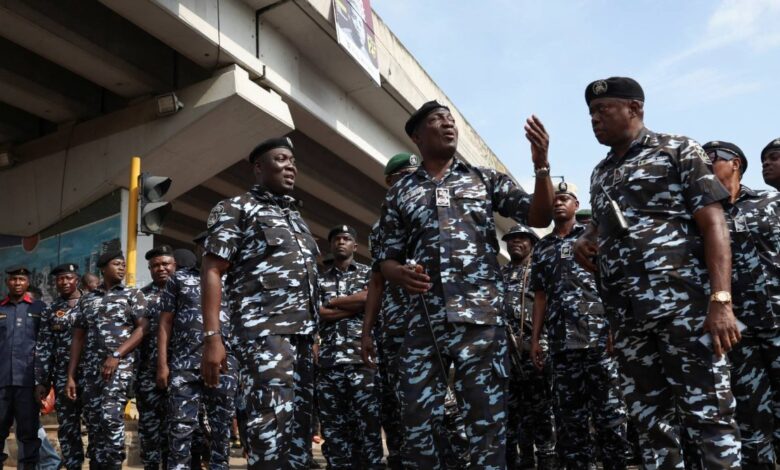
وبحسب بيان للرئاسة، أشاد تينوبو بما وصفه بالجهود البطولية التي بذلتها الأجهزة الأمنية، وخاصة الجيش وجهاز أمن الدولة والشرطة، مؤكداً أنها عملت على مدار الساعة خلال الـ56 يوماً الماضية لتأمين إطلاق سراح المختطفين دون وقوع أي أضرار جانبية، كما تمكنت من اعتقال ثمانية من الخاطفين وتحييد آخرين.
وأعرب الرئيس النيجيري عن أسفه للمعاناة التي تعرض لها الأطفال والمعلمون وأسرهم، مثنياً على تعاون حكومة ولاية أويو مع الحكومة الفيدرالية طوال فترة الأزمة، وداعياً إلى تعزيز الإجراءات الأمنية في محيط المدارس بجميع أنحاء الولاية.

وقال تينوبو: “أنا سعيد للغاية بنجاح قواتنا الأمنية في إنقاذ التلاميذ والمعلمين المختطفين من أوريري، أوغوموسو في ولاية أويو اليوم، بعد عملية عسكرية وشرطية واستخباراتية أدت إلى تحييد بعض الإرهابيين واعتقال ثمانية منهم.”
حصار ومواجهة لـ 50 يوما
وأضاف: “لقد أنهت هذه العملية العسكرية الناجحة الحصار والمواجهة التي استمرت لأكثر من خمسين يوماً، وجلبت الراحة للأمة بأسرها، وللأسر المتضررة على وجه الخصوص. وبالنيابة عن البلاد، أتقدم بجزيل الشكر والامتنان لضباط وجنود قواتنا المسلحة، وأجهزة الاستخبارات، والشرطة، على إنقاذ الأطفال ومعلميهم سالمين.”
وأكد الرئيس أن حكومته ستسعى لتحقيق العدالة للأطفال والمعلمين المختطفين، ولعائلة السيد أوييدوكون الذي قُتل على يد الخاطفين، كما وجه وكالات الطوارئ بالتنسيق مع حكومة ولاية أويو لتوفير جميع أشكال الدعم الطبي والإغاثي اللازمة للأطفال والمعلمين المحررين.