Escalating violence against migrants in South Africa is raising widespread international concerns.
A new wave of anti-immigrant violence is shaking South Africa.
Written by Mohamed Ragab
South Africa is witnessing a marked escalation in anti-immigrant violence and protests, developments that have raised increasing concern both within the country and abroad, as their repercussions have extended to include not only African immigrants, but also South African citizens living in the affected areas.
These events come amid an escalating campaign targeting irregular migrants, with several cities and towns witnessing protests and clashes that have led to the displacement of hundreds of people and exacerbated social tensions.
Deaths and displacement amid escalating xenophobic rhetoric
According to recent reports, a number of migrants have been killed in violence across the country, including Mozambican citizens who fell victim to attacks linked to a growing wave of xenophobia. Hundreds of migrants have also been forced to flee their homes and seek refuge in temporary shelters or return to their countries of origin for fear of further attacks.

Tensions have increased after anti-immigration groups called on undocumented migrants to leave the country before the end of June, which has fueled fears and raised the level of resentment within local communities.
South African citizens feel afraid
Although immigrants are the main target of these protests, many South African citizens are increasingly concerned about the escalating violence and chaos.
Residents in some areas expressed concerns about the deteriorating security situation and the possibility of protests turning into acts of revenge or wider community clashes.
Observers believe that the continued incitement and spread of misinformation via social media contribute to increased tension and threaten social stability in a country already suffering from high rates of unemployment, poverty, and crime.
African governments begin repatriating their citizens
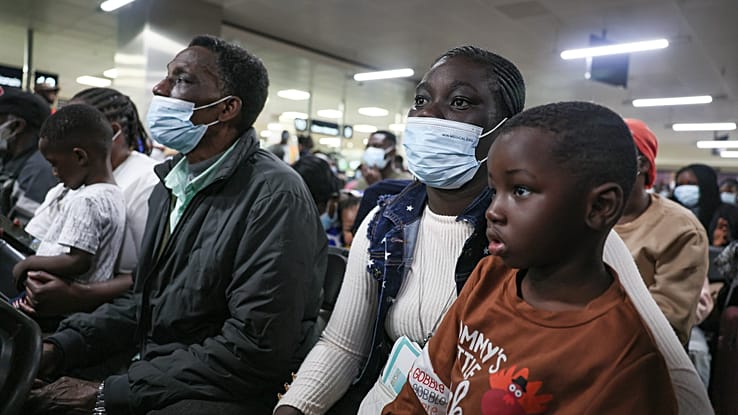
In response to the escalating violence, several African countries began taking measures to protect their citizens. Nigeria announced that it had registered more than a thousand people wishing to return voluntarily from South Africa, while other countries such as Mozambique and Ghana initiated evacuation or repatriation operations for their nationals affected by the violence.
These moves reflect the extent of regional concern about the repercussions of the crisis, especially since South Africa is one of the most prominent economic destinations for migrants and job seekers on the continent.
Ramaphosa calls for the rejection of hatred and violence
For his part, South African President Cyril Ramaphosa called on citizens to reject violence and xenophobia and to refrain from taking the law into their own hands, stressing that migration issues should be addressed through laws and official institutions, not through attacks and violent protests. The government also announced its intention to send envoys to several African countries to explain its position and contain the diplomatic fallout from the crisis.
A renewed crisis threatens South Africa's image
These events are reminiscent of the waves of anti-immigrant violence that South Africa has witnessed in recent years, which have damaged the country's image as one of Africa's most open and diverse nations. Experts warn that if the crisis continues without comprehensive economic and security solutions, it could lead to further social divisions and strain South Africa's relations with its African neighbors.