Oil extraction: 3 African countries are among the top 9 countries globally in gas flaring
Gas burning in Africa
Written by: Ayman Ragab
Global oil and gas producers released 167 billion cubic meters of natural gas into the atmosphere in 2025, worth $54 billion.
Algeria, Libya and Nigeria, where more than 25 billion cubic meters of gas have been flared during oil extraction operations, are among the top nine gas-flaring countries in the world.
During oil extraction, gas and water may rise to the surface.
Once the water flowing into the sea is separated from the oil, the oil companies burn the natural gas, which is considered a by-product, on-site using special flares.
Burning gases is the least expensive method
For oil companies, gas flaring is the least expensive way to dispose of flammable gases that cannot be used or whose extraction is not very profitable, due to a lack of processing infrastructure (liquefaction, compression, and purification unit) or transportation infrastructure.
However, this practice is very harmful to the environment. In 2025, the amount of gases burned, 167 billion cubic meters, represents more than 358 million tons of carbon dioxide, the main greenhouse gas, released into the atmosphere, equivalent to the emissions of about 85 million cars.
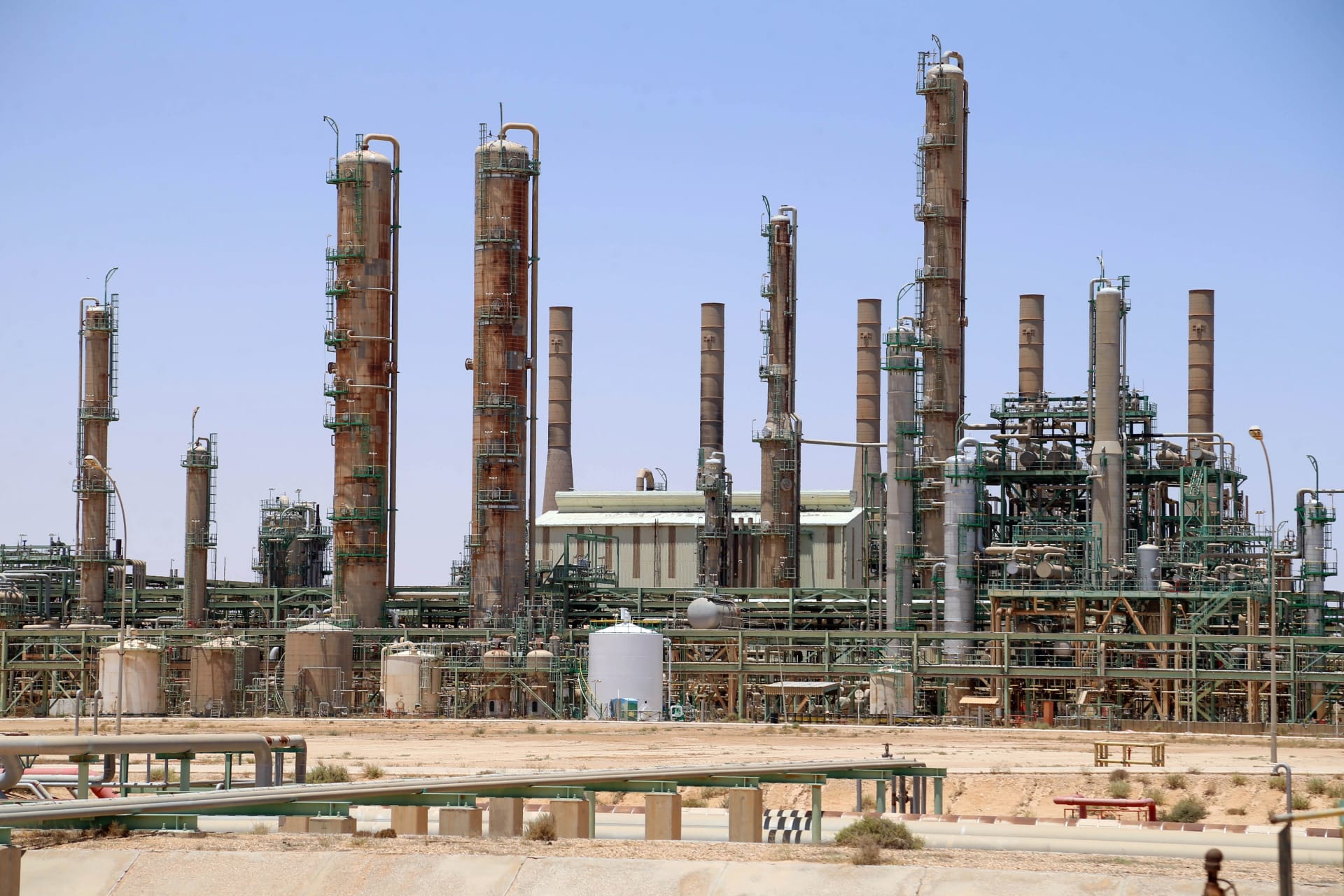
In a global context where environmental issues are a concern for countries and international institutions, the practice of burning gas in the oil extraction process unfortunately does not decrease despite the promises made by hydrocarbon-producing countries.
Data in the World Bank’s annual Global Gas Flaring Tracking Report, published on June 23, shows that after declines recorded between 2020 and 2022, under the influence of the slowdown in the global economy due to COVID-19, this was followed by three consecutive years of these polluting emissions, as a result of increased global volumes of gas being flared.
According to the report, in 2025, the volume of gas reached 167 billion cubic meters, the highest level since 2019, compared to 151 billion cubic meters in 2024.