Written by: Mohammed Omran
In an exceptional moment that shook the corridors Cannes Film FestivalThe win was not just a crowning achievement for a new film, but a declaration of the birth of an African cinematic name that is strongly asserting its presence on the global stage.
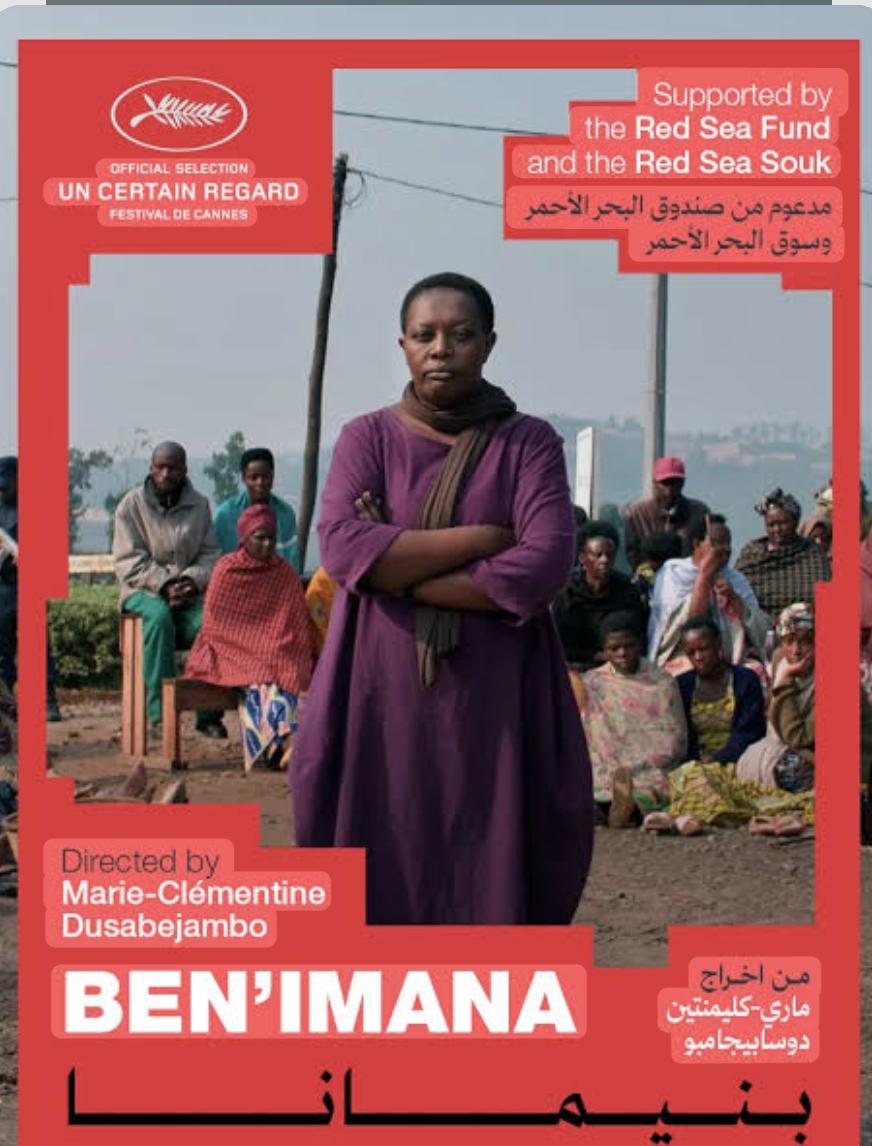
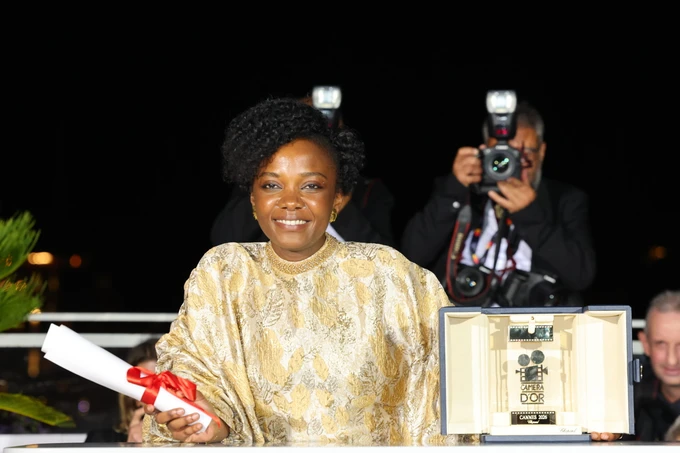
Rwandan director Marie Clementine Doussabigambo, hailing from the heart of Kigali burdened with the memory of history, captivated audiences with her debut feature film "Ben Emana," achieving an unprecedented feat by winning the Golden Camera award, a first for Rwanda and Africa.
Who is Marie-Clémentine Doussabigambo, the Rwandan director who moved people to tears?
Born in Kigali in 1987, she never planned to enter the world of cinema. She is primarily a mathematician who studied electronics and communications, and had a stable career path in the field of communications, before chance led her to a completely different world.
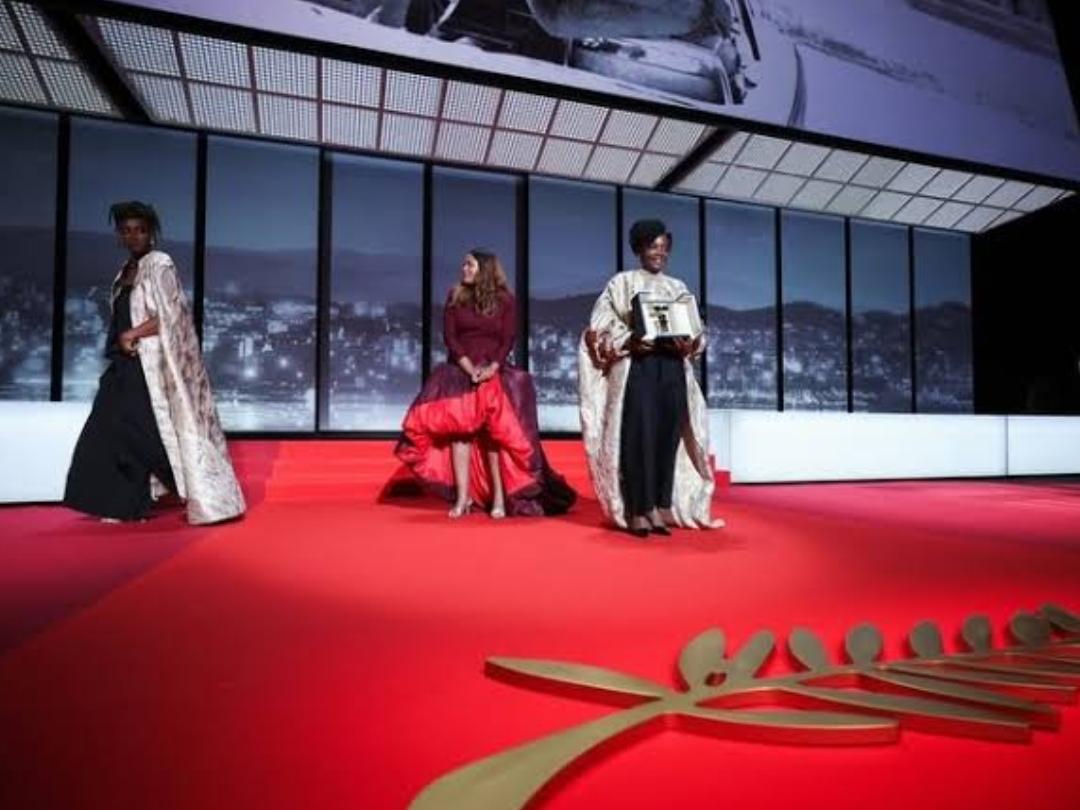
She later won the Golden Camera award at the Cannes Film Festival on May 23, 2026, for her first feature film, "Ben Emana," in an unprecedented historical achievement for Rwanda and Africa, transforming from a communications engineer into one of the most prominent rising names in world cinema, after a ten-year journey of narrating the deepest wounds of her country.
Marie Clementine grew up in post-genocide Kigali, Rwanda, in a country that was rebuilding itself and learning to live with the heavy legacy of its past.
Cinema was not part of her early world, and she says that she only knew the seventh art through limited films such as poor dubbing of Chinese films into Kenyan or Bollywood films, which kept cinema far from her professional awareness at the time.
But her path changed completely when Korean-American director Lee Isaac Chung came to her neighborhood to film his movie "Moniorangabo," which was later shown in the "Un Certain Regard" section of the Cannes Film Festival in 2007, the same section that later saw Ben Emana crowned.
Chung did not stray from her life after that, as he founded the Almond Tree Film Group near Kigali, a platform to provide training and equipment to filmmakers. Marie Clementine joined the group in 2008 and learned about filmmaking practically without academic study, through direct involvement on film sets.
As she was preparing to move into communications, she received a message from Chung containing a link to a screenwriting competition at the Tribeca Film Festival. She entered and won, but at first she did not think about directing, believing that someone else could do the work.
Rwanda's resilience, the memory of genocide, and women at the heart of the story
Over time, Marie Clementine turned to directing, beginning a series of works that clearly reflect Rwanda's resilience, the memory of the genocide, and the role of women in reconstruction.
Her short film «Lisa» (2011) started this path after it was selected for the Tribeca Film Festival, followed by «A Place for Me» and «Isiasha» (2018), which participated in several international festivals.
Her short film «Isiasha» won the “Zipo Gold” award at the Rencontres du Filmcourt festival in Madagascar in 2019, and the “Tanit Bronze” award at the Carthage Film Festival in 2016. She also worked as a script supervisor and researcher on the series «Why We Hate,» co-produced by Steven Spielberg, in a quiet accumulation of international recognition.
During that period, she met Ethiopian director Haile Gerima, the director of the films "Sankofa" and "Teza," who provided her with crucial support in her career after he asked her to send him the script in English, and then sent her his complete works so that she could delve into his experience.
The "Ben Emana" project... a decade of dreams
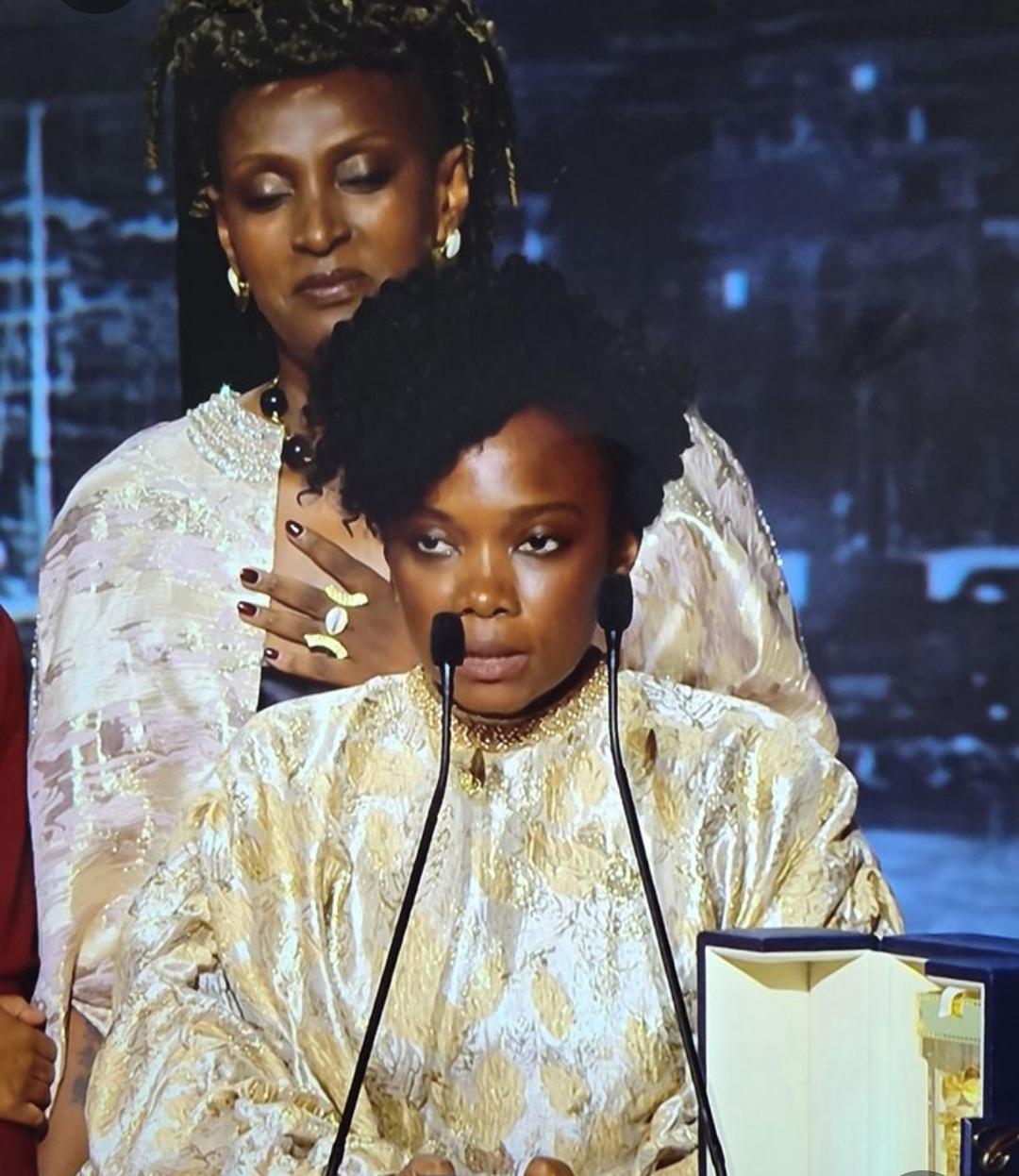
The film "Ben Emana" took more than ten years to complete. Its name means "Children of God" or "The Fortunate Ones" in Kinyarwanda, a title that carries spiritual connotations of unity, solidarity, and human connection.
The film runs for 1 hour and 41 minutes, was filmed entirely in Rwanda in the Kinyarwanda language, and is a joint production between Rwanda, Gabon, France, Norway and Ivory Coast, and is distributed by MK2 Films.
It takes place in the early 2000s, during the period of the Gacaca community courts, which were reactivated after the genocide to consider hundreds of thousands of cases.
The story revolves around “Veniranda”, a Tutsi survivor who has rebuilt her life on the idea of reconciliation, and organizes dialogue sessions between victims and the families of perpetrators despite mounting pressure.
The director explains that her goal was to understand her country in all its complexities: «How do you listen, how do you feel, and how do you interpret or speak?» This is why she chose a narrative film instead of a documentary, considering that Rwandan culture, rooted in silence and modesty, does not always allow for the public disclosure of pain. The performances through the actresses reflected a depth that a documentary camera could not reach.
A historic achievement in Cannes
Cannes Film Festival artistic director Thierry Frémaux described Ben Emana as a «remarkable» debut film, and the first Rwandan film to be included in the festival’s official selection.
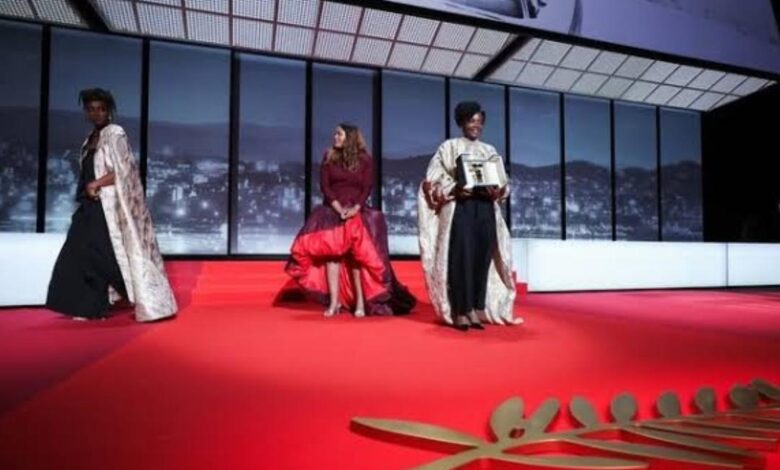
On May 23, 2026, Marie Clementine Dosabigambo received the Golden Camera award, becoming the first African female director to win it since its inception in 1978.
In her speech, she dedicated the award to the women of her country, saying: "I wanted to pay tribute to the mothers of my country who had the strength to stand tall, to forgive, and to move forward despite the pain.".
The film also won the FIPRESCI Prize from international critics in the «Un Certain Regard» section, a double triumph for a director who described the morning of the ceremony as a moment of “relief” after a full decade of work.
African cinema at its peak
This victory comes in the context of a clear rise in African cinema globally, as it coincided with the lead actress in the Congolese film "The Boy from Congo" winning the Best Performance award on the same night, an unprecedented achievement for the continent.
Nollywood is the world's third-largest film industry in terms of production volume, while the African Development Bank estimates that the Sun