South Africa: Minor radioactive contamination incidents at a nuclear power plant
Written by: Ayman Ragab
Officials said on Sunday that recent incidents of radioactive contamination at South Africa's only nuclear power plant were minor and posed no danger to the population, reaffirming the country's determination to increase its nuclear power production.
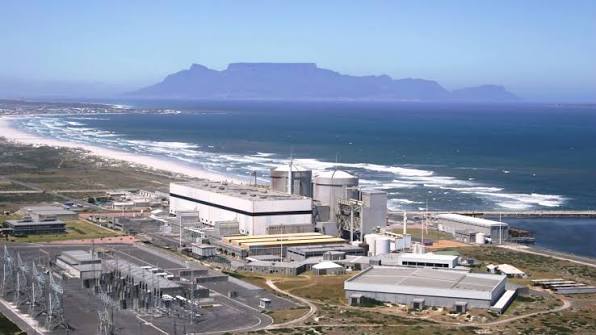
They stated at a press conference that a “slightly elevated level of airborne radioactive contamination” was detected during scheduled maintenance work at the Koeberg nuclear power station, located about 30 kilometers north of Cape Town, between June 30 and July 16.
No leakage into the environment occurred
“The levels recorded were extremely low, less than the radiation exposure from using your mobile phone for a few minutes,” said Metitu Nyani, chairman of the state-owned energy authority Eskom, which operates the station.
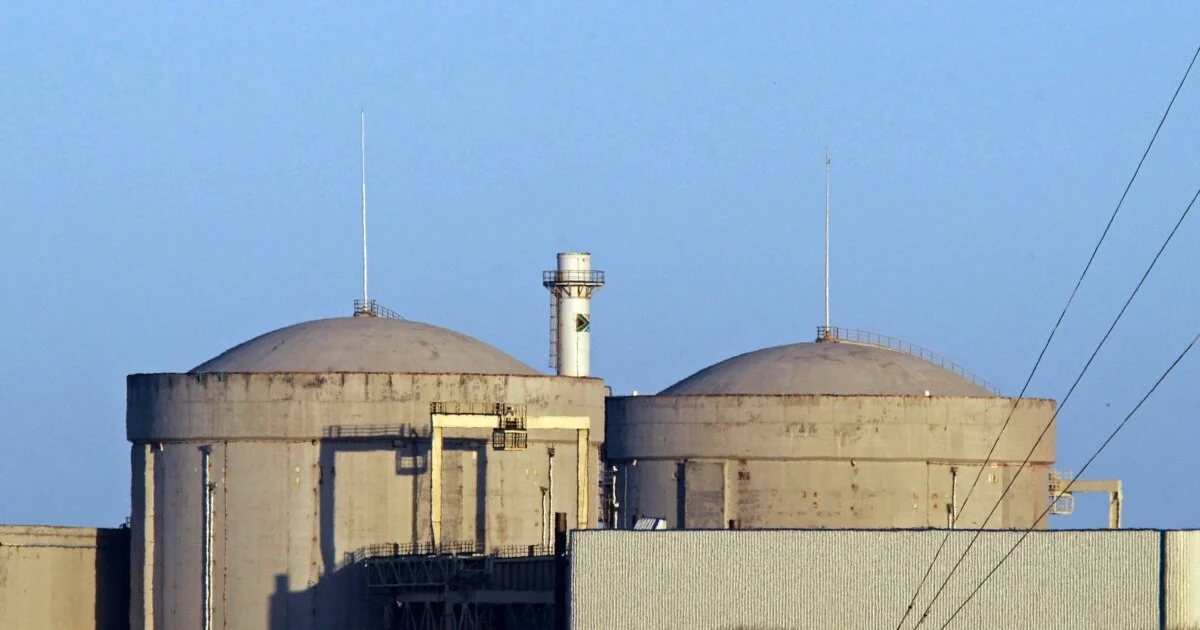
South Africa is the only country on the continent that operates a nuclear power plant, and another one is under construction in Egypt.
He added, "All protocols were followed," as tests conducted on workers showed minimal exposure.
He confirmed, saying: “There has been no leakage into the environment, and there is no danger to the public.”.
South African Energy Minister Kgosincho Ramokoguba said the incidents had been dealt with effectively, boosting confidence in the management of the plant and in South Africa's ability to enter a new phase of nuclear power production.
He said: “We want to reassure the communities living in the immediate vicinity of Koeberg that they are safe. And we want to reassure the rest of the country that we are moving forward with our nuclear development program.”.
Lack of transparency from officials
The Koeberg power station has been operating for 40 years, and in 2024 it received an extension of operation for an additional 20 years.
Ramokgopa noted that officials wanted to be transparent about the recent incidents in order to reassure the public, as South Africa makes progress on its plans to have 5.2 gigawatts of nuclear capacity by 2042.
South Africa relies on coal to generate most of its electricity needs and is seeking alternative energy sources to meet growing demand.