Women's leadership: A new bet for promoting development and stability in the African continent
ISESCO affirms from Rabat: Africa's future depends on women's empowerment
Written by: Badr Ahmed
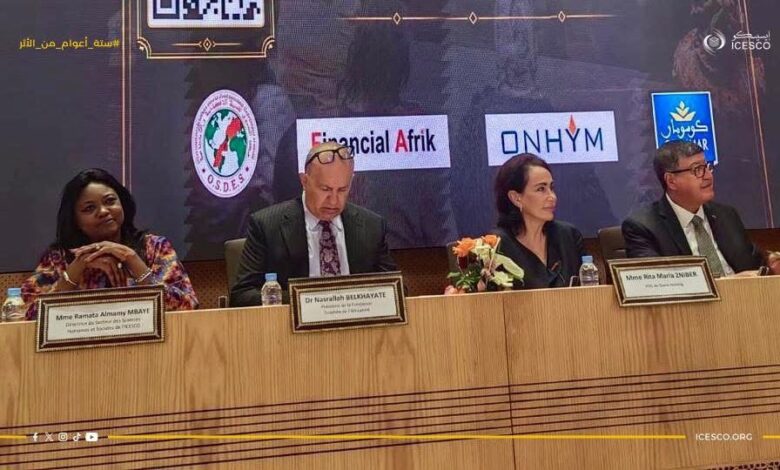
The Islamic World Educational, Scientific and Cultural Organization (ISESCO) participated in the fifth session of the African Summit, organized by the African Prize Foundation in the Moroccan capital, Rabat, under the slogan of women’s leadership in Africa, with the participation of more than 50 figures from among diplomats, officials of international organizations, academics and media professionals from a number of African and European countries.
Africa's future depends on empowering women.
ISESCO’s participation came within the framework of its efforts to enhance the role of women in sustainable development and consolidate their presence in decision-making positions, which contributes to supporting the paths of progress and stability within the African continent.
During the summit, which was held on June 5, 2026, ISESCO was represented by Ms. Ramata Almamy Mbaye, Head of the Humanities and Social Sciences Sector of the organization, who stressed in her speech that the future of the African continent is closely linked to recognizing the leading role of women and promoting their participation in various political, economic, social and cultural fields.
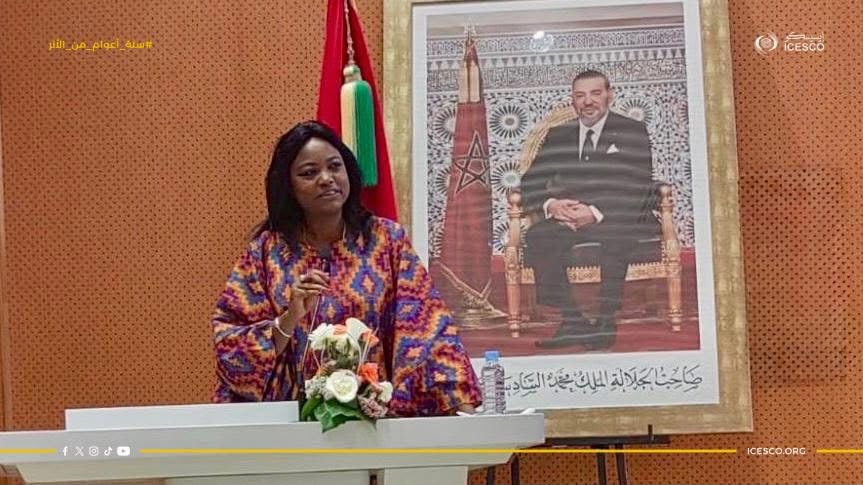
She explained that African history is full of many inspiring female role models who contributed to the transfer of knowledge, the promotion of development, and the support of progress within African societies, stressing the importance of drawing inspiration from these experiences and building on them to confront the current challenges facing the continent.
She also reviewed ISESCO’s efforts in the field of empowering women and youth, stressing that the organization places this issue at the heart of its development strategy, based on its belief that investing in women’s and youth energies is one of the most important drivers of sustainable development.
She highlighted the progress made by ISESCO in promoting equality and equal opportunities within its administrative structures, noting that women currently occupy nearly half of the leadership positions in the organization, which reflects its practical commitment to establishing a culture of empowerment and active participation of women.
She emphasized that African women have become a fundamental pillar in bringing about positive transformations within societies, and are playing an increasing role in consolidating civilized diplomacy and promoting the values of dialogue and coexistence, which contributes to supporting development and stability efforts and building a more prosperous future for the African continent.