Democratic Republic of Congo surpasses 1,000 Ebola deaths as infections rise to 2,536 confirmed cases
The pandemic continues to spread amid security and health challenges.
Written by: Mohamed Ragab
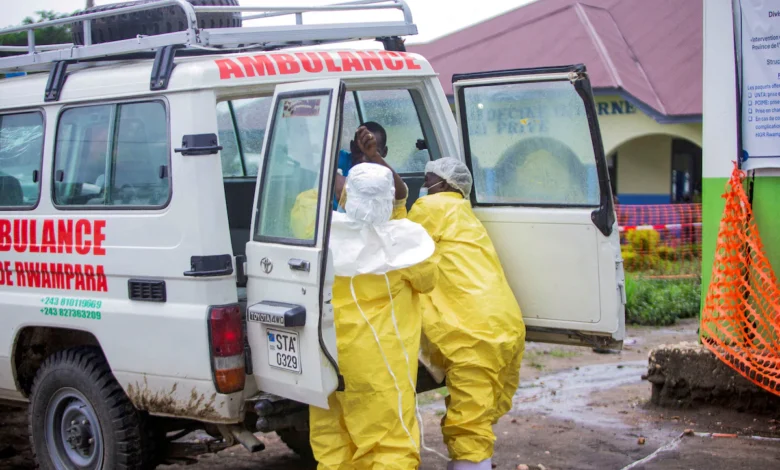
Health authorities in the Democratic Republic of Congo announced that the number of deaths from the Ebola outbreak has risen to more than 1,000, while the number of confirmed cases has reached 2,536, an indicator that reflects the continued spread of the epidemic despite local and international efforts to contain it.
This outbreak is one of the fastest-spreading Ebola outbreaks in the country’s history, with infections and deaths rising sharply in a short period, prompting health authorities to intensify response measures in cooperation with the World Health Organization and health sector partners.
Violence and supply shortages are disrupting counterterrorism efforts.
Health officials confirmed that response teams are facing significant difficulties in containing the epidemic due to ongoing violence in some eastern regions, in addition to attacks targeting health facilities and shortages of medical supplies, which have hindered the access of medical teams to a number of affected communities.
The spread of misinformation and a loss of trust in some areas also contributed to reduced cooperation from residents with response teams, which affected contact tracing and isolation of infected individuals to limit transmission.
A rare strain is further complicating the crisis.
Authorities explained that the current outbreak is caused by the rare Bundibugyo strain of the Ebola virus, a strain for which there is not yet a fully approved vaccine or treatment, while some experimental treatments are being evaluated by researchers.
Health experts confirm that this strain is characterized by a high mortality rate, which makes controlling the epidemic more difficult, especially in light of the security and humanitarian conditions in the affected areas.
Uganda curbs the spread of the disease
Despite a limited number of infections spreading to Uganda, health authorities there have successfully contained the outbreak through isolation and contact tracing measures. The country has not recorded any new cases since late June, and the last patient was discharged from the hospital in July, beginning the required monitoring period before the outbreak is declared over.
Calls to strengthen international support
International health organizations have called for increased support for the Democratic Republic of Congo, both in terms of medical supplies and support for field response teams, warning that continued security challenges could lead to a wider spread of the virus.
Experts believe that containing the epidemic requires strengthening cooperation between local authorities and international organizations, along with raising community awareness and accelerating early detection and contact tracing processes, which will contribute to reducing infections and deaths during the next stage.