The World Bank and Nigeria are expanding the scope of their education program despite budget cuts.
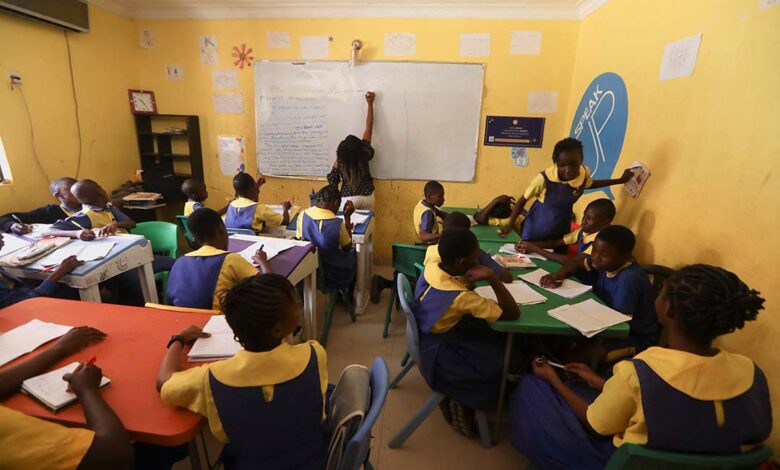
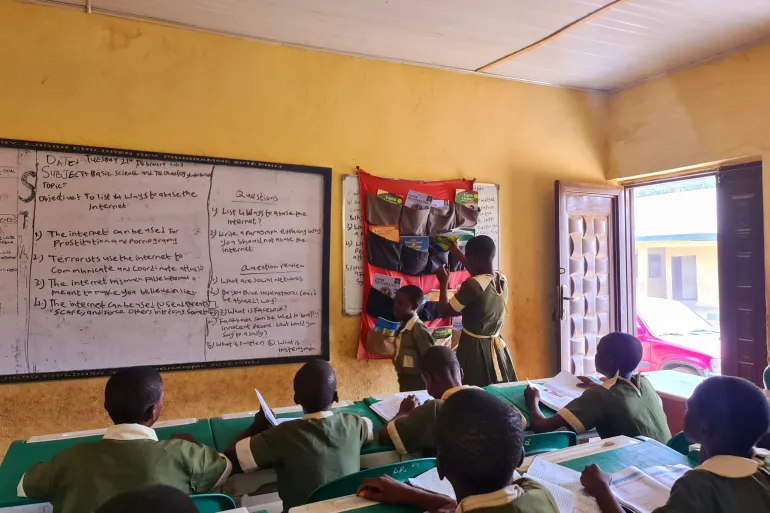
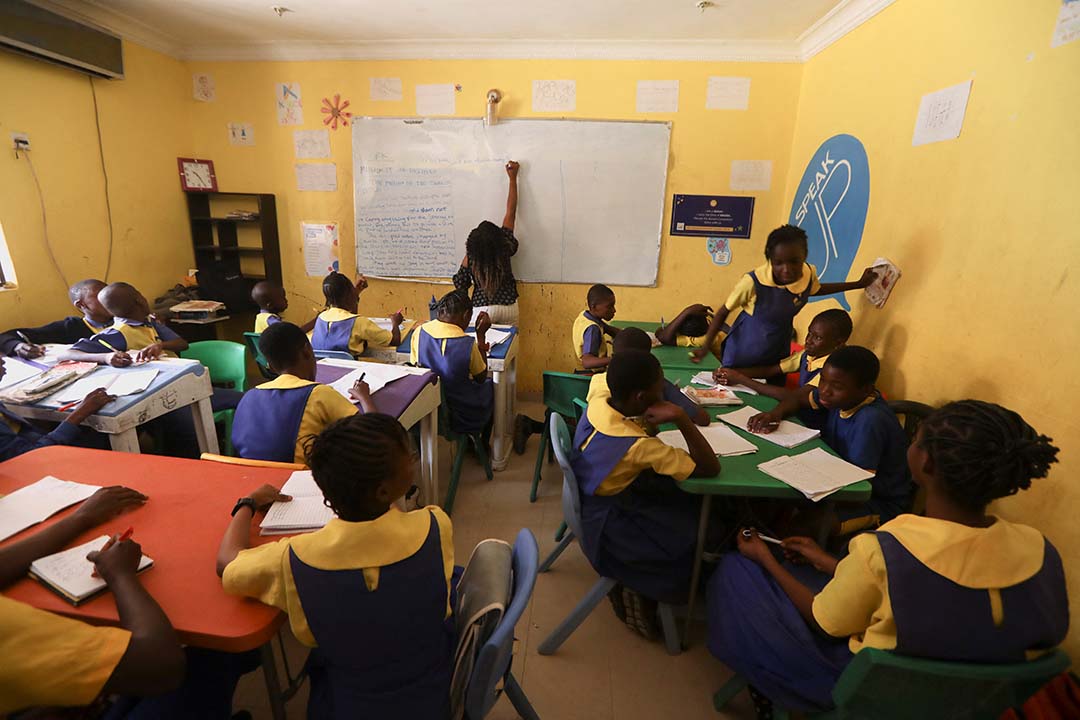
Despite funding cuts, Nigeria is sticking to its plan to build 13,000 new classrooms.
Written by Mohamed Ragab
In a move reflecting the funding pressures facing the education sector in NigeriaThe Nigerian government, in collaboration with the World Bank, restructured the $500 million “Hope for Quality Basic Education for All” program by reducing allocations for the construction of new classrooms, in exchange for expanding the scope of the states benefiting from the project.
Nigeria sticks to plan to build 13,000 new classrooms
These changes come after a decline in funding for the Global Partnership for Education, at a time when Nigeria is seeking to maintain the program's goals of improving the quality of basic education and expanding access to it.
According to the World Bank, the allocations for the creation of 13,000 new classrooms under the program have been significantly reduced following changes in grant funding from the Global Partnership for Education (GPE).
The World Bank said the restructuring was necessary because of a sharp decline in grant allocations for the Global Partnership for Economic Transformation in Nigeria.
The World Bank report stated that these changes resulted from a decrease in total allocations for financing the Global Partnership for Sustainable Development program in Nigeria from $107.59 million to $53.975 million.
The World Bank explained that the original arrangement split the Global Partnership for Education funding between the World Bank and the United Nations Children’s Fund (UNICEF), but the revised funding structure transferred the entire reduced grant allocation to the World Bank-run HOPE-Education program.
Restructuring of the education program in Nigeria following a decline in funding from the Global Partnership for Education
The statement read: “Originally, the World Bank and the United Nations Children’s Fund (UNICEF) were selected as joint donors to administer half of the initial funding allocations for the small grants program.
However, given the reduced funding for the Global Partnership for Education, the Nigerian government proposed that the World Bank take over the management of the reduced allocations entirely through the “Hope for Education” program.
The program, which was approved by the World Bank Board of Directors on March 31, 2025, was financed through a $500 million loan from the International Development Association and a $52.18 million grant from the Global Partnership for Development.
The restructuring paper showed that total allocations under DLI 4, which covers “the number of new elementary classrooms created through community engagement,” had decreased from $5.7 million to $2.55 million.
Specifically, allocations for government and community agreements to support classroom construction in 15 states were reduced from $500,000 to $300,000, while allocations for the construction of 13,000 classrooms decreased from $5.2 million to $2.25 million.
Despite the reduced funding allocations, the overall program goal of creating 13,000 classrooms remained unchanged within the updated results framework of the report.
The World Bank announced that there would be no change to the development program's objective, closing date, or institutional arrangements.
The report stated: “There are no changes to the program development objective, the closing date, or the institutional arrangements. This is the first restructuring of the process.”.
Under the revised arrangement, the number of states eligible for targeted interventions within Outcome Area 1 was expanded from three to six states by adding Apia, Bauchi and Kwara states.
The World Bank said the changes would also require modifications to the verification protocol for countries supported by the Global Economic Policy Partnership, while the current verification process for countries funded by the International Development Association would remain unchanged.
According to the report, the HOPE-Education program aims to “improve basic learning outcomes, increase access to basic education, and strengthen education systems in participating countries.”.
A journalist reported that the program came into effect on February 26, 2026, and the World Bank said that implementation was already making “early progress.”.