Human rights warnings regarding the integrity of Nigeria's 2027 elections
Integrity of Nigeria's 2027 elections

Written by: Ayman Ragab
Nigerian human rights lawyer Femi Falana warned that conflicting court rulings regarding the work of the Independent National Electoral Commission ahead of the general elections scheduled for 2027 could create uncertainty that threatens the integrity of the electoral process if not dealt with urgently.
In a statement entitled “Nigerian judges and lawyers must be prevented from sabotaging the 2027 elections,” Falana criticized the issuance of contradictory rulings by courts with the same jurisdiction regarding the powers of the Independent National Electoral Commission to set timetables for political party primaries, as well as obliging parties to submit membership records and databases of their members.
A complicated situation
He pointed out that these contradictions put the electoral commission in a complicated position, as it could choose which ruling to abide by, which could weaken public confidence in the judiciary and the democratic process.
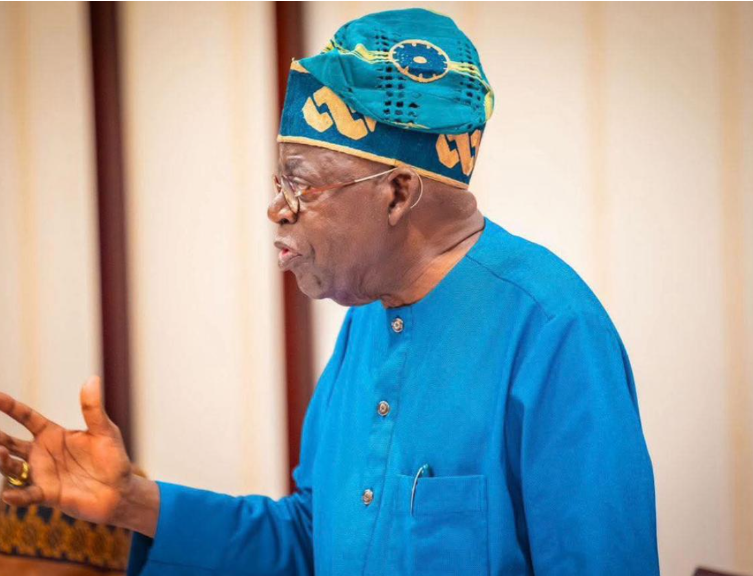
Valana stressed the need for judges and lawyers to avoid taking any steps that could disrupt preparations for the 2027 elections, warning against using legal disputes as a means to create chaos over electoral procedures.
He explained that the Federal Supreme Court had, last Wednesday, invalidated the timetable set by the Independent National Electoral Commission for conducting the primary elections and nominating candidates before the 2027 general elections.
Opposition to the provisions of the law
The court, headed by Judge Mohamed Omar, also cancelled the May 10 deadline for political parties to submit their membership records and databases as a condition for participating in the elections.
The court found that the timeframe set by the commission for holding the primaries and submitting or replacing the names of candidates was inconsistent with the provisions of the Elections Act 2026, in the lawsuit brought by the Youth Party against the commission.
In response, the Independent National Electoral Commission quickly appealed the ruling and submitted a request to suspend its implementation until the appeal is considered and decided before the Court of Appeal.
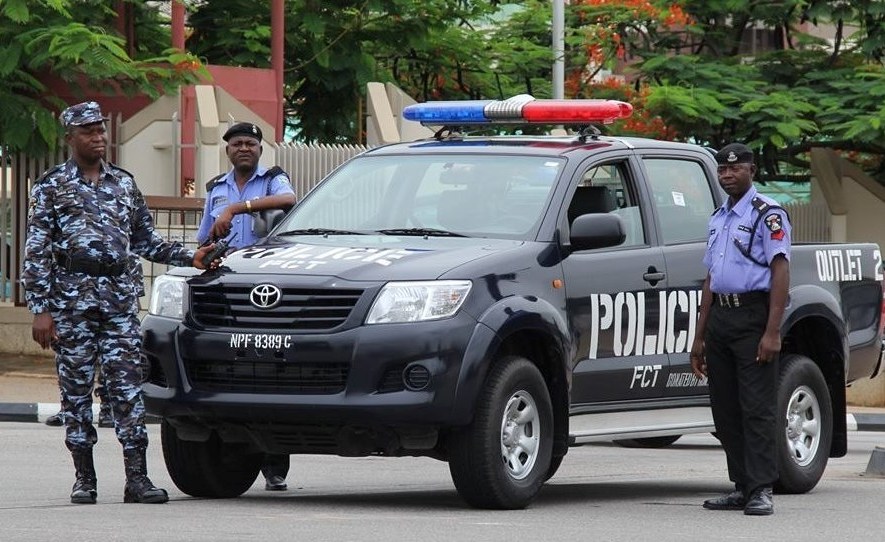
In a new development, the Federal Supreme Court, in another ruling issued today, confirmed that the Independent National Electoral Commission has the legal authority to set deadlines for holding primary elections for political parties before the 2027 elections.
The court explained that the commission is authorized under the constitution and the 2026 Elections Act to issue election timetables, including setting deadlines for primaries and related preparatory activities, which has reignited the debate over conflicting judicial rulings and their potential impact on the electoral landscape in Nigeria.