Nuclear terrorism in Africa: UN fears catastrophic scenarios
Extremist groups are seeking to acquire nuclear capabilities in Africa.
Written by: Badr Ahmed
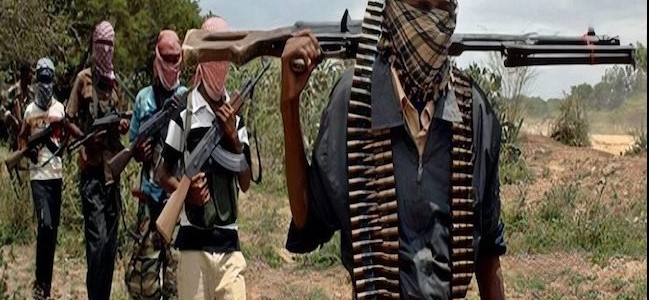
The United Nations has warned of evidence indicating that terrorist groups in Africa are striving to acquire nuclear capabilities, taking advantage of the enormous technological advancements within their ranks.
In a statement released Tuesday, the world’s largest UN agency said that emerging tools, such as drones and artificial intelligence, could make nuclear attacks more effective.
Extremist groups seek to acquire nuclear capabilities
According to the United Nations, the potential humanitarian, environmental and economic consequences of a nuclear or radiological attack would be dire, and their effects would extend across borders, undermining international security and confidence in peaceful nuclear technology.
The risks include the use of so-called dirty bombs, attacks on nuclear facilities, the spread of stolen nuclear weapons, or the detonation of homemade nuclear devices.
While no nuclear terrorist attack has occurred since the development of nuclear technology nearly 80 years ago, Mauro Medico, director of the United Nations Counter-Terrorism Centre, confirmed that the threat level is higher than ever, as a result of the increasing ease of access to advanced technologies.
According to the same statement, Medico added that terrorist groups are recruiting specialists, including artificial intelligence experts, and have already used drones in their attacks.
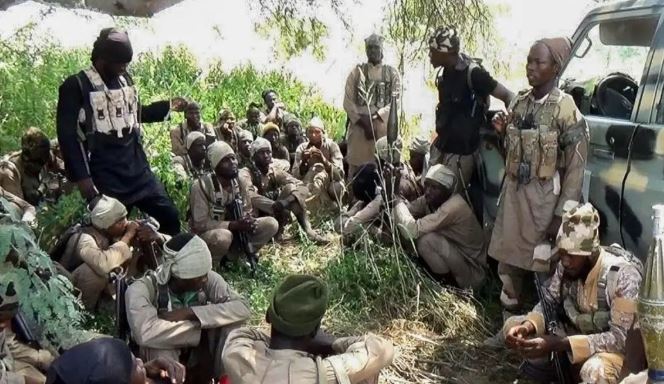
He warned that these developments could increase the likelihood of more sophisticated attacks, including the potential use of drones to deliver radioactive devices.
There are growing concerns that terrorist groups in Africa could obtain nuclear materials through transnational gangs.
According to the United Nations, several incidents of theft or smuggling of nuclear materials have occurred in recent years.
In 2021, Tajikistan reported the theft of 133 discs containing uranium dioxide, raising concerns about the possibility of them being smuggled into areas where extremist groups are active.
The United Nations Office of Counter-Terrorism stressed that strengthening international legal frameworks remains crucial to preventing such threats.
He urged member states to adopt the International Convention for the Suppression of Acts of Nuclear Terrorism, which provides a legal basis for criminalizing and preventing such acts.
According to the Global Conflict Tracking Index, the growing strength of terrorist groups in the Sahel region threatens to destabilize the entire African continent, posing serious security and financial risks to the United States and Europe.
Factors such as corruption, lack of democracy, lack of legitimacy, and human rights violations provide a fertile environment for the spread of terrorist group activities.
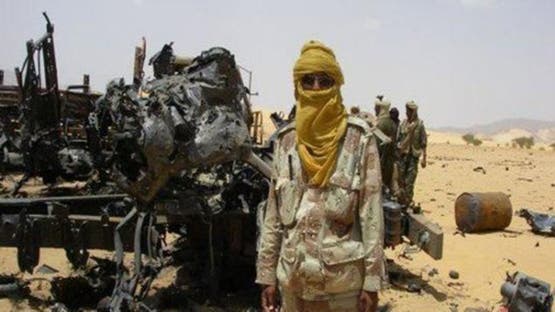
The continued collapse of international support for counterterrorism, as well as weak leadership in regional efforts, has created a vacuum that allows violent extremism to expand.
Organizations such as al-Nusra Front and ISIS in West Africa have already exploited this vacuum, using countries in the region as platforms to launch indiscriminate attacks on both government forces and civilians.
Over the past ten years, the Sahel region, which stretches from Senegal to Eritrea and as far north as the Sahara Desert and the tropical regions of Africa to the south, has faced acute and complex security and humanitarian crises due to the spread of terrorist movements.