Egypt and Djibouti: A strategic partnership to boost trade and investment in the Horn of Africa
A strategic character links the two countries
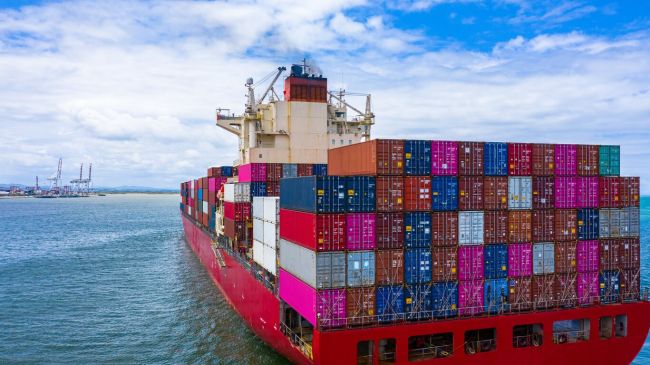
Economic relations between the Arab Republic of Egypt and the Republic of Djibouti have witnessed remarkable development in recent years, with a growing trend towards strengthening cooperation in the areas of trade, investment and infrastructure, especially in strategic sectors that link the African continent with global markets.
This rapprochement comes within the framework of a shared desire to increase the volume of trade exchange and diversify areas of economic cooperation, especially with the increasing importance of Djibouti as a pivotal logistics center in the Horn of Africa region and a major gateway for international trade through the Red Sea and the Gulf of Aden.
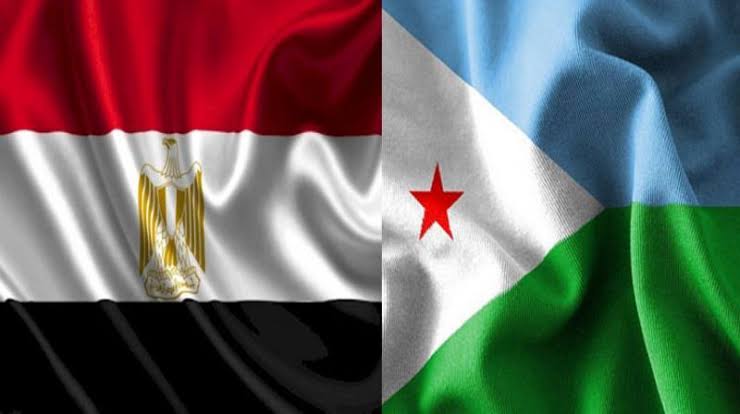
Trade exchange between Egypt and Djibouti
Economic data indicates that the volume of trade between the two countries is estimated at more than one hundred million dollars annually, with great opportunities to increase it in the coming years, especially in light of the increasing demand for Egyptian products in the Djiboutian markets, which include food commodities, building materials and industrial products.
Conversely, Djibouti represents an important transit point for Egyptian goods destined for East African markets, giving it added importance in Egyptian trade expansion strategies within the continent.
The ports and logistics sector is the main focus of cooperation.
The ports and logistics sector is one of the most important areas of cooperation between Egypt and Djibouti, with a focus on strengthening partnerships in port management and operation and developing maritime infrastructure.
The joint efforts seek to establish integrated logistics projects that include container terminals and modern storage areas, which will contribute to transforming Djibouti into a regional re-export hub, while simultaneously enhancing the expertise of Egyptian companies in managing global ports.
Renewable energy and industrial cooperation
Cooperation also includes the energy sector, especially renewable energy, as both countries are moving towards supporting solar energy projects to meet the needs of ports and industrial areas, and reduce dependence on traditional energy sources.
There are also promising opportunities for industrial cooperation in the areas of building materials, food industries and light industries, sectors in which Egypt has considerable expertise that can be utilized in the Djiboutian market.
Banking and Financial Investment Sector
Financial cooperation between the two countries has witnessed significant development through strengthening the presence of Egyptian banking institutions in Djibouti, which contributes to facilitating trade and investment, and supporting the financing of joint projects.
This move represents an important step towards building a more integrated financial system between the two countries, facilitating import and export operations and providing financing solutions for companies operating in both markets.
Agriculture and food security
The agriculture and food security sector is of common interest, as Egypt seeks to export its expertise in modern agriculture and advanced irrigation systems, in addition to providing the food products needed by the Djiboutian market.