Morocco leads Africa in manufacturing economy
Ahmed Salem
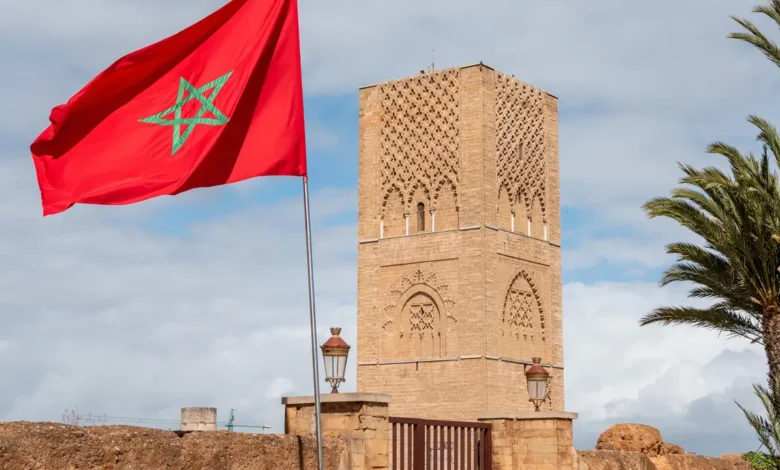
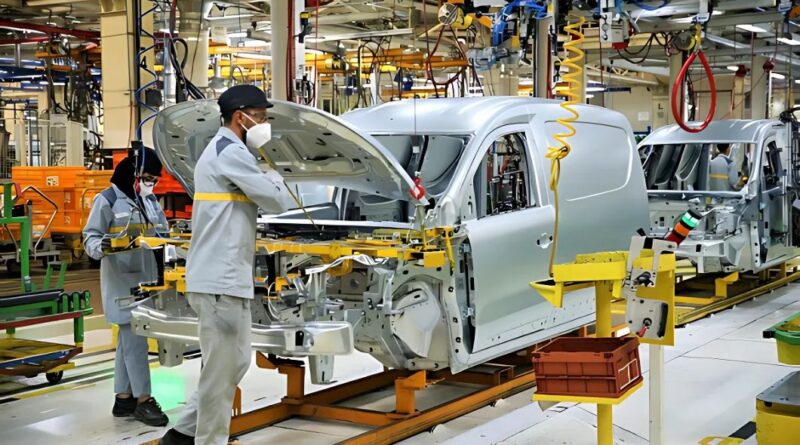
Occupied Morocco It topped the list of the most industrialized economies on the continent last year, coinciding with its ongoing vision to develop its products and diversify its exports, thus displacing South Africa from the top of the list.
According to a report, Morocco has implemented a policy to support the sector's growth, removing obstacles that hinder investment and slow industrial growth. The results of this policy were evident last year, with Morocco leading its competitors industrially.
For its part, the African Development Bank hinted in its 2025 African Manufacturing Index report at a decline in South Africa’s industrial performance, stating: “While South Africa remains a major industrial power on the continent, it continues to experience a steady decline in industrial competitiveness.”.
Morocco continues to develop andSouth Africa is experiencing a slowdown
According to experts, the ongoing electricity shortages, rampant government corruption, political uncertainty, and high cost of living in South Africa have weakened investment attractiveness and put pressure on the pace of economic growth, with GDP recording an average annual growth of less than 1% over the past decade.
South African President Cyril Ramaphosa had previously stressed the country’s need for investments of about 1.6 trillion rand (equivalent to $99 billion) to develop public sector infrastructure, in addition to 3.2 trillion rand from private sector investments, to achieve the infrastructure targets set for 2030.
Investment indicators reflect the continuing economic challenges, as gross fixed capital formation contracted in three out of four quarters last year, before showing improvement during the last four months of 2025. This improvement is seen as an indication that companies are returning to investing in machinery and buildings, which could support the productive capacity of the economy in the future.
In this context, the African Development Bank explained that industrial capabilities in the African continent are still largely concentrated in the north and south of the continent, which account for the largest share of industrial production, export development and industrial competitiveness in Africa.
This comes at a time when other countries, including Morocco, continue to enhance their investment appeal and improve growth indicators, benefiting from infrastructure projects and economic reforms that have bolstered their regional competitiveness.