From heritage to global recognition: Young female artists revive African heritage by transforming threads into works of art.
An ancient African craft transforms into a promising creative industry
Written by: Mohammed Omran
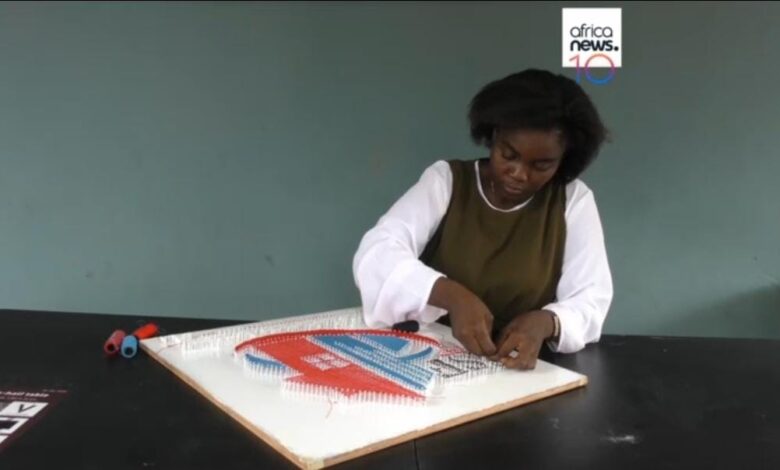
In a country whose artistic identity has been linked for decades to painting and sculpture, Burkinabe artist Samira Simporé has begun to forge a different path within the cultural scene by introducing string art, an artistic style that relies on stretching colored threads between nails precisely fixed to wooden boards, to create geometric paintings and vibrant artistic images.
From heritage to global recognition: Young female artists revive African heritage by transforming threads into works of art.
According to Africa News, Samira is one of the first artists to adopt this art in Burkina Faso, where she seeks to present a different vision of fine art, drawing inspiration in her works from local heritage and traditional handicrafts, while employing them in a contemporary style that combines precision and creativity.
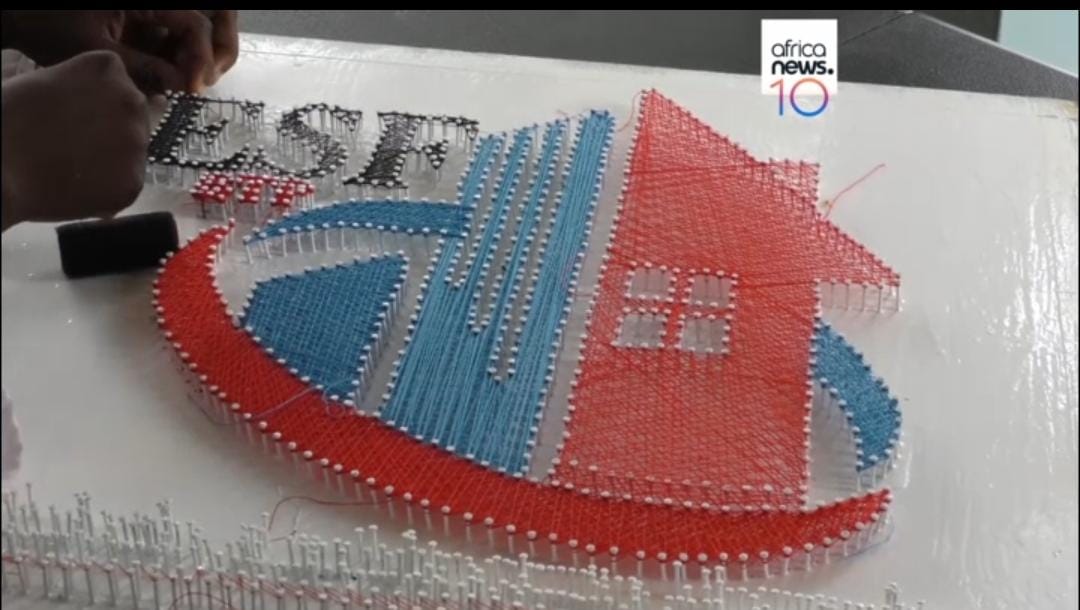
Despite the unique nature of this art form, Samira emphasizes that the greatest challenge lies not in creating the works themselves, but in introducing this art form to the public. She explains that most exhibition visitors are accustomed to paintings and sculptures, while thread art remains relatively unknown, making its dissemination and marketing more difficult.
She explained that she participated in an art exhibition that included dozens of visual artists, and she was the only one displaying works based on thread art, considering that the difference in her experience represents a challenge, but at the same time it gives her an opportunity to present new art to the public.

For his part, visual artist and art promoter Aboubacar Sanga believes that thread art is not foreign to Burkinabe culture, but rather is based on the weaving and knitting traditions that African women have inherited over generations, stressing that re-employing this craft in contemporary artworks gives it a new cultural and economic dimension.
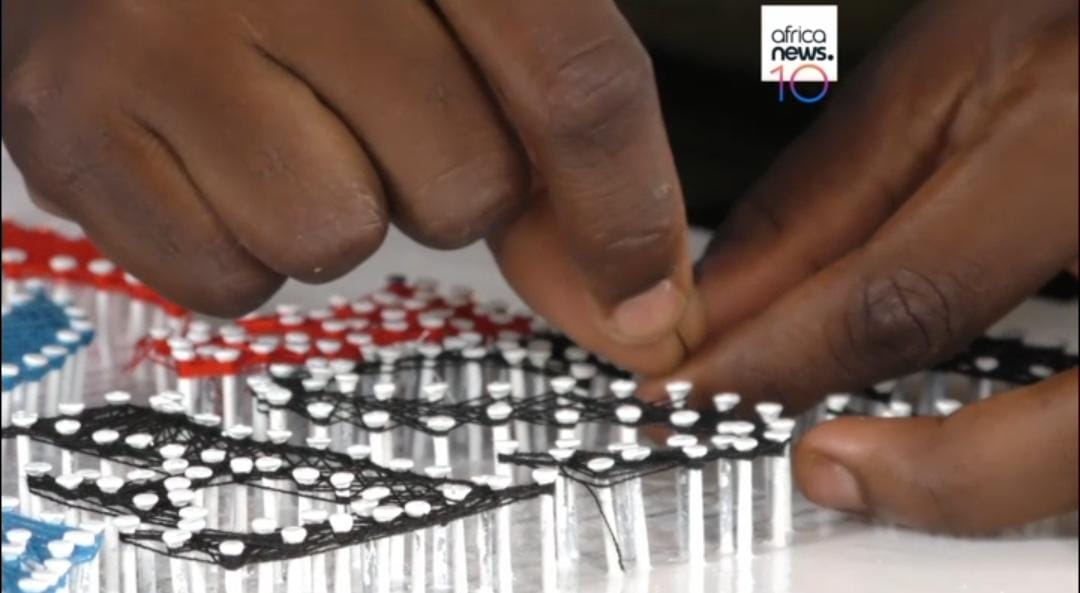
Sanga pointed out that this art also contributes to revitalizing the creative economy, as it relies on purchasing local raw materials and tools, in addition to giving the public the opportunity to become acquainted with a different form of art that may be closer to some groups compared to traditional arts.
Observers believe that the spread of thread art may open the door to the emergence of new art schools in Burkina Faso, which rely on developing traditional crafts and transforming them into cultural products capable of competing in local and international markets, especially with the increasing global interest in handicrafts and arts inspired by heritage.
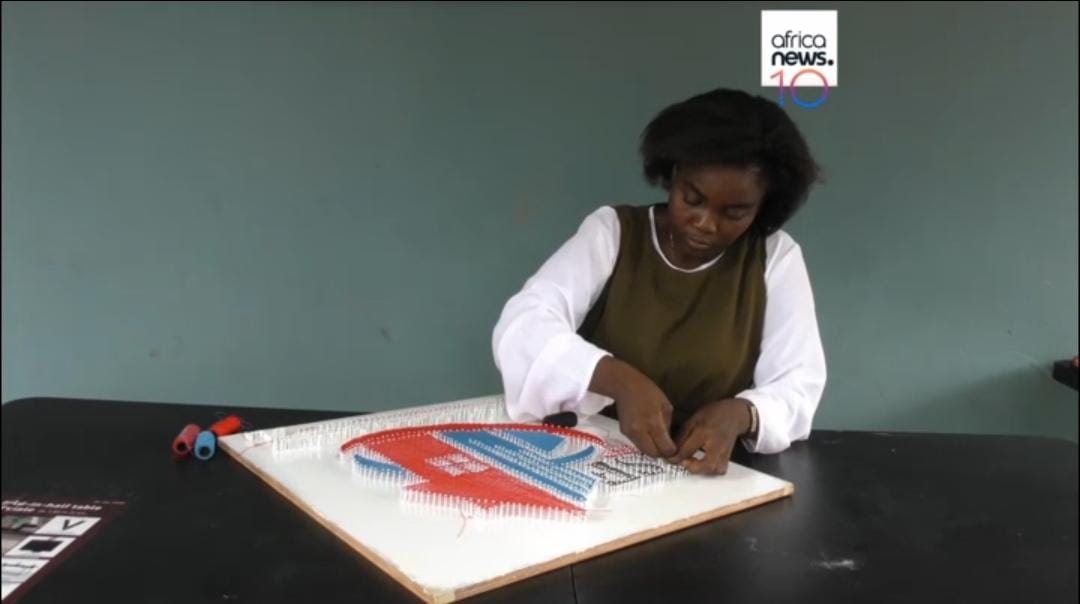
Samira Simporé’s experience reflects how a simple idea, based on thread and nail, can be transformed into a means of artistic expression, and open new horizons for the cultural and creative industries in Burkina Faso, at a time when the continent is seeking to enhance the status of the arts as a tributary of development and the economy.