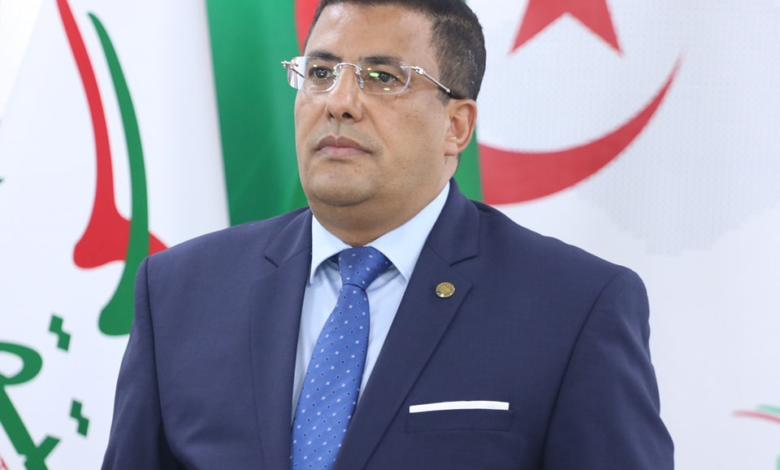
Algerian parliamentarian Fateh Boutabik elected president of the African Parliament
President of the African Parliament
Written by: Mohammed Omran
Algeria succeeded in taking over the presidency of the African Parliament, after the election of Algerian parliamentarian Dr. Fateh Boutoubik as president of the African Parliament for a term extending from 2026 to 2029, in a vote that African circles described as a real test to consolidate the ability of the African Union to impose its new rules after years of institutional turmoil.
Boutabik was elected during the extraordinary session of the seventh legislative term held in Midrand, South Africa, within the framework of the African Union.
The elections were held according to the principle of regional rotation, which, since the 2021 crisis, has become the basic rule regulating the distribution of leadership positions within parliament.
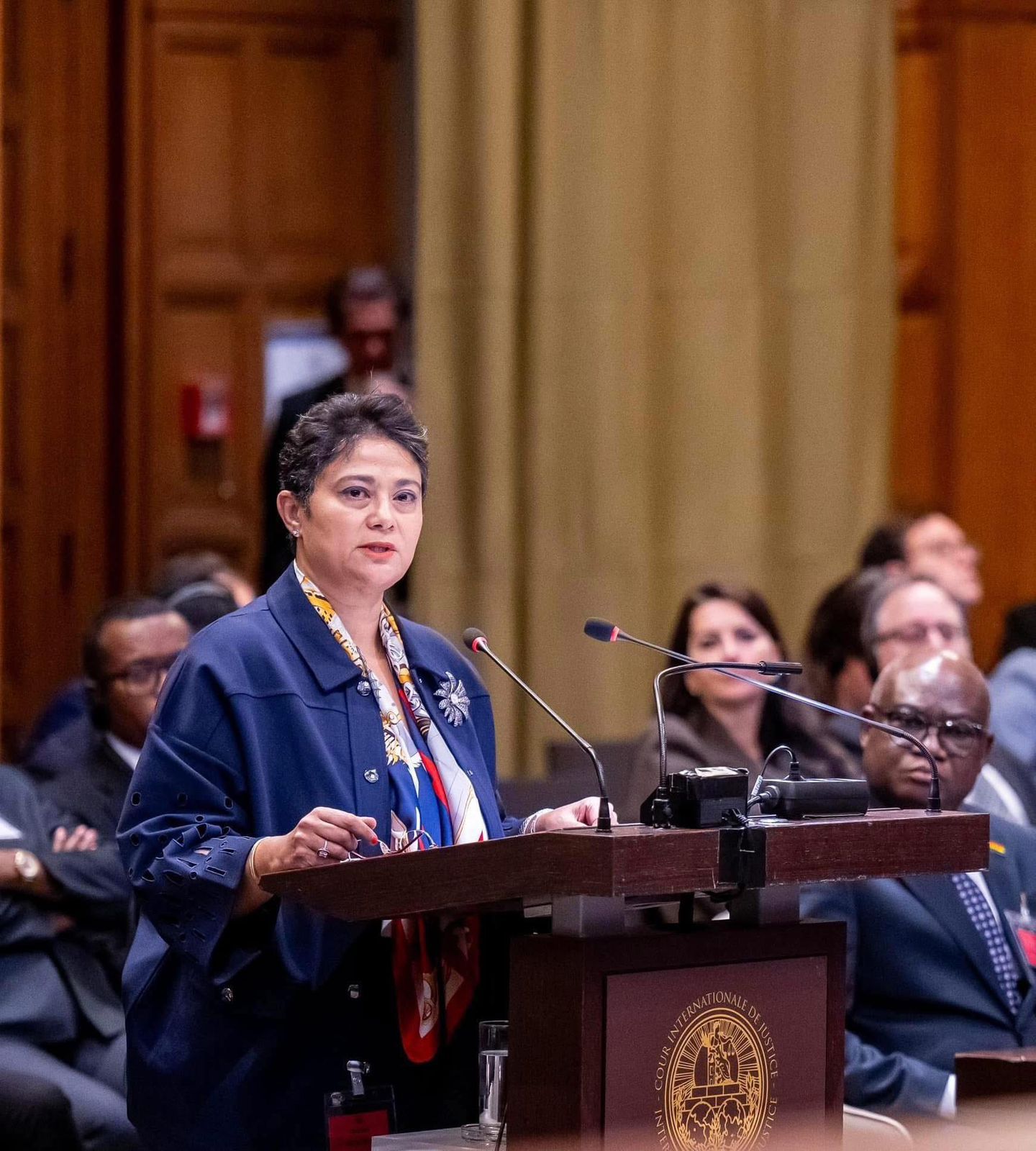
According to data circulating within African parliamentary circles, the Algerian candidate received 119 votes out of 185 votes cast in the plenary session.
The available data indicates that Algeria waged an intensive diplomatic and parliamentary campaign to support its candidate, Fateh Boutabik, for the presidency of the African Parliament, which included extensive moves within African geopolitical groups.
The competition within the northern region saw the circulation of the names of several candidates, most notably Fatih Boutabik from Algeria, Lahcen Haddad from Morocco, and Youssef Al-Fakhri from Libya, within the region’s consultations.
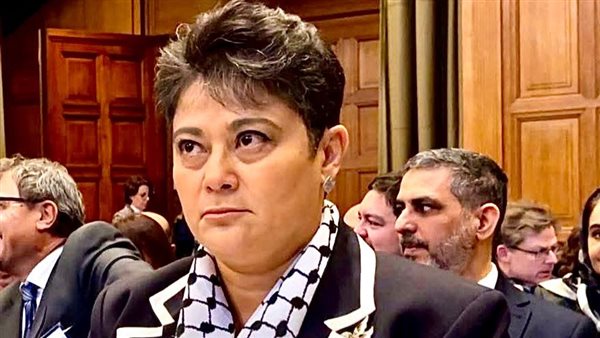
The name of Dr. Eng. Sherif El-Gebaly was also circulated as an Egyptian candidate, but it appears that he withdrew from the race in the final stage of the agreements before the vote, while the balances within the region and the support that Algeria mobilized within the COCE decided the race early before reaching the continental vote.
Following this decision, Boutabik entered the general session as the unified candidate for North Africa, in an electoral system that is no longer based on open competition between several candidates, but rather on endorsing the candidate who first succeeds in winning the consensus of his region.
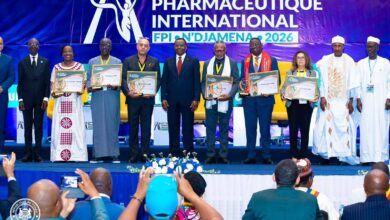
The elections resulted in the formation of a new bureau for the African Parliament, comprising representatives from the five regions: Fateh Boutoubik of Algeria as president, Ashber Woldegiorgis Gayo of Ethiopia as first vice president, Dr. Zanitor Agyeman Rawlings of Ghana as second vice president (she is the chair of the Security and Intelligence Committee in the Ghanaian Parliament), Jedda Mamar Mohamed of Chad as third vice president (after receiving 150 votes out of 185), and Member of Parliament Arlette Borges of Angola as fourth vice president.
Egyptian MP Mohamed Halawa, head of the Senate's Committee on Trade, Industry, Medium, Small and Micro Enterprises, won the chairmanship of the African Parliament's Committee on Trade, Customs and Immigration.
This distribution reflects the continued emphasis on adopting the principle of geographical balance within the institutions of the African Union, so that no single region monopolizes the leadership of the institution. This principle is a direct result of the legal opinion provided by Ambassador Namira Negm, the former legal advisor to the African Union, who played a pivotal role in reformulating the rules of elections within the parliament.