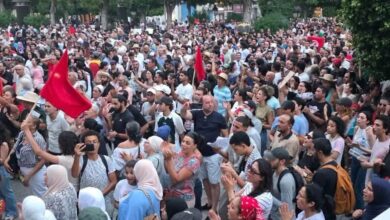
Protesters set fire to an Ebola treatment center in eastern Democratic Republic of Congo
Families of Ebola victims demand the return of the bodies of the dead.
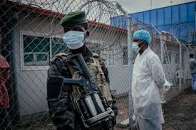
Written by: Mohamed Ragab
The Democratic Republic of Congo witnessed a dangerous escalation in the Ebola outbreak crisis, after protesters set fire to part of a treatment center for those infected with the virus in the town of Rwambara in the Ituri province in the east of the country, in protest against being prevented from receiving the bodies of their deceased relatives to carry out traditional burial ceremonies.
According to local and international reports, the protests erupted after health authorities refused to hand over the body of a local football player who died after being suspected of having Ebola, under strict health protocols that mandate safe burials to prevent the spread of infection.
Treatment tents burned, raising fears of a worsening crisis.
Reports indicate that protesters set fire to treatment tents belonging to the Alema medical organization, destroying parts of the health center and burning one of the bodies that was intended for safe burial, while a number of patients were transferred to other locations to complete their treatment.
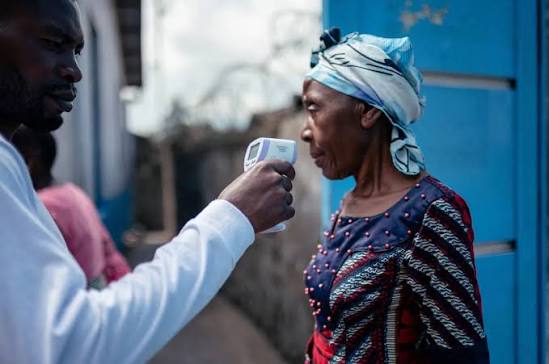
This incident comes amid growing tension and public anger related to the imposed health measures, especially those concerning preventing families from practicing traditional funeral rites, which health authorities consider to be among the main causes of the spread of infection.
Health experts say that the customs associated with washing and touching corpses during burial ceremonies directly contribute to the transmission of the virus, which makes “safe burials” one of the most important means of containing the epidemic.
The World Health Organization sounds the alarm
The World Health Organization recently warned of the “rapid and widespread” spread of the epidemic in eastern Democratic Republic of Congo, indicating that the situation may be more serious than the official figures announced.
According to the latest data, hundreds of infections and dozens of deaths have been recorded related to the rare Bundibugyo strain of the Ebola virus, a strain for which there is still no approved vaccine, making it more difficult to contain the current outbreak.
Health authorities in both Rwanda and Uganda have also announced stricter border controls and health checks to prevent cross-border transmission of the virus.
Travel restrictions and stricter international procedures
In a development related to the crisis, the United States imposed strict health measures on travelers arriving from the Democratic Republic of Congo and a number of East and Central African countries, while strengthening health screening and monitoring procedures at border crossings.
Observers fear that violence and a lack of trust between the population and health authorities will complicate efforts to contain the epidemic, especially in areas affected by armed conflict and weak health infrastructure, threatening a wider spread of the disease within and outside the region.