The Security Council is close to extending sanctions on South Sudan until 2027.
Amid escalating security concerns
Written by Omnia Hassan
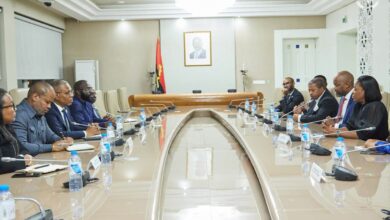
The UN Security Council is preparing to vote on a draft resolution to extend sanctions imposed on South Sudan Until May 2027, in a move that reflects continued international concern about the deteriorating security and political situation in the young African nation.
According to a draft resolution seen by UN reports, the proposed extension includes maintaining the current sanctions without substantial changes, including the arms embargo, asset freeze, and travel ban on individuals accused of obstructing peace or threatening stability.
Fighting continues despite peace agreement
The UN Panel of Experts report indicated that clashes between parties to the 2018 peace agreement are still ongoing in several areas of the country, amid accusations that some parties have obtained weapons and armored vehicles in direct violation of the internationally imposed arms embargo.
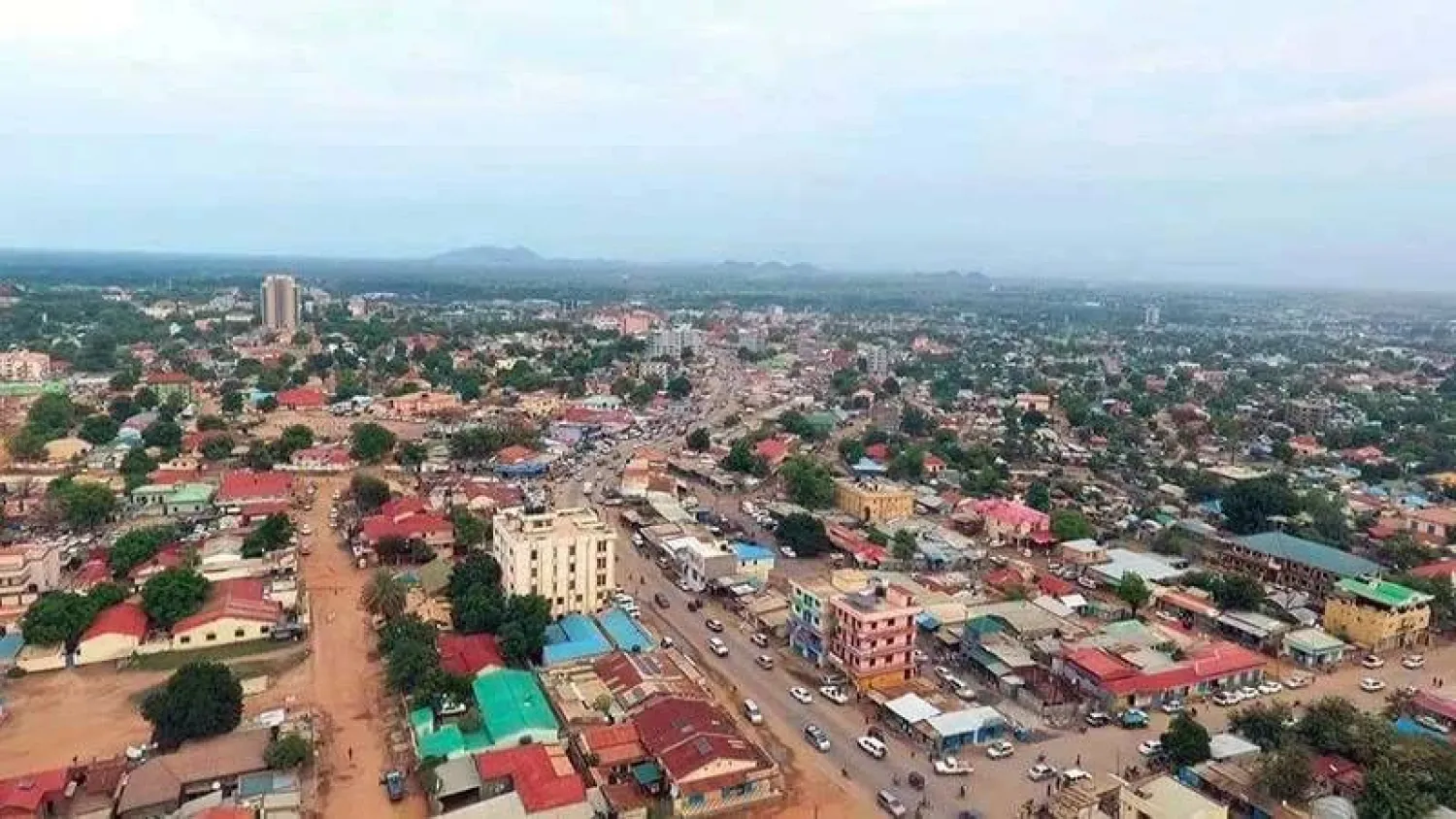
The UN Secretary-General also warned in his latest assessment that South Sudan is going through its most difficult phase since the signing of the revitalized peace agreement, explaining that security reforms are faltering, while political and military tensions are escalating alarmingly.
International division over sanctions
China and Russia continue to oppose extending the sanctions, arguing that they weaken South Sudan's ability to build its security and military institutions. In contrast, the United States, Britain, and France maintain that these measures are necessary to pressure the warring parties to implement the peace agreement and prevent the country from descending into further chaos.
The United States, which drafted the resolution, made only minor amendments, focusing on reviewing the sanctions criteria in the future in line with developments on the ground.
Warnings of an escalation in the cycle of violence
In the same context, Edmund Yakani, Executive Director of the Community Empowerment for Progress organization, warned of the widening scope of the conflict in Unity State in the south, calling on the leaders of the Sudan People’s Liberation Army in Opposition and the South Sudan Defense Forces to resolve political differences through dialogue instead of military confrontation.
Yakani stressed that the recent clashes in Upper Nile and parts of Jonglei State have resulted in deaths and the destruction of civilian property, warning that the violence could spread to Leer, which could strengthen international justifications for tightening sanctions and imposing new measures against those obstructing peace.
The human rights official stressed that military solutions will only deepen the suffering of citizens, calling on all parties that signed the 2018 agreement to commit to dialogue and the protection of civilians.