Malawi: Disastrous results for the long-term development plan
Only 40% of the plan's objectives are on track to be achieved.
Written by: Ayman Ragab
Five years after Malawi’s flagship long-term development plan, government data shows a widening gap between the country’s industrial ambitions and the progress made.
Malawi has completed 87% of the activities set out in its National Industrialisation Plan, but only 40% of the plan’s targets are on track to be achieved.
This gap, now officially documented, defines the central failure of industrial policy.
One of the poorest countries
Malawi is one of the poorest countries in the world, a conclusion made in the Economic and Fiscal Policy Statement 2026, a government document that reviews progress made under the Malawi 2063 National Development Plan (MW2063) launched in 2021.
The distinction between completing activities and achieving results has long been blurred in official correspondence. The 2026 statement clarifies this distinction.
Project MW2063 identifies manufacturing as one of three transformative pillars of Malawi’s long-term development strategy, alongside agriculture and urbanization.
productive economy
These combined efforts aim to propel the country towards becoming a middle-income productive economy by 2063.
A separate continental assessment published in 2025 confirms this concern. The Real Economic Development Index, published by the Business Council for Africa, assessed all 54 African economies based on their structural readiness for large-scale industrialization.
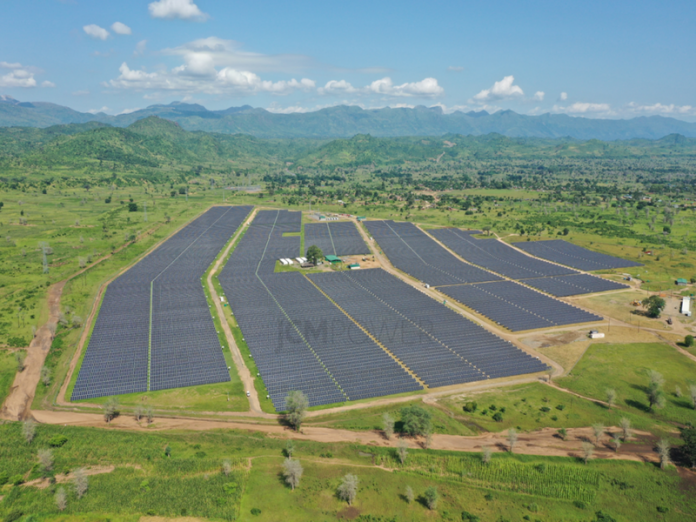
It measured factors such as infrastructure, energy supply, economic resilience, growth potential, and institutional obstacles such as corruption and policy instability.
Malawi was ranked among the least prepared countries on the continent. Only four economies – Morocco, Egypt, South Africa, and Mauritius – were considered structurally ready for industrial takeoff.
The index concluded that Malawi continues to suffer from weak industrial capacity, persistent energy shortages, limited infrastructure, and inconsistent policies.
weakness ability Competitiveness of locally produced goods
The rate of utilization of productive capacity remains below optimal levels due to power outages, shortages of foreign currency, and logistical bottlenecks.
These restrictions reduce productivity and weaken the competitiveness of domestically produced goods against imports. A major structural weakness is the absence of an effective industrial policy.
In May 2023, a verification meeting was held in Lilongwe, with the support of the United Nations Economic Commission for Africa, with the aim of developing a new national industrial policy to replace the expired framework.