Written by: Badr Ahmed
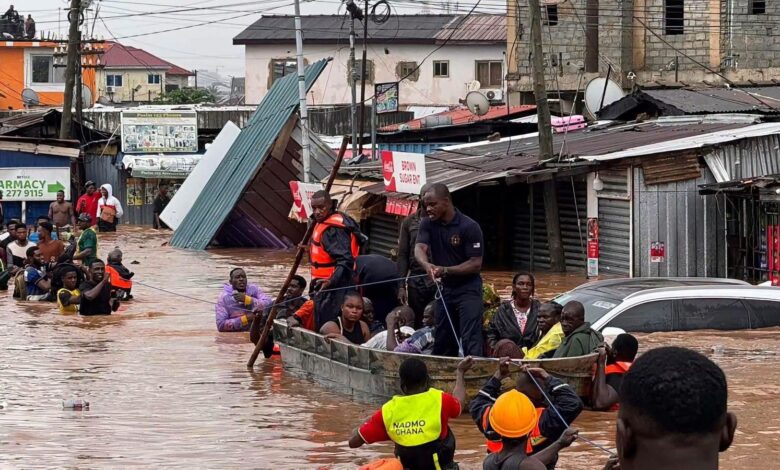
Ghanaian President John Dramani Mahama announced the approval of allocating 300 million Ghanaian cedis, equivalent to about US$26.6 million, to fund urgent relief efforts and mitigate the effects of the floods that swept through the capital Accra, leaving widespread human and material losses.
This funding comes as part of an urgent government move to support affected families, enhance the capabilities of emergency response agencies, and fund rehabilitation and recovery programs in the areas most affected by the floods.
Ghana allocates 300 million cedis for relief efforts for those affected.
The Ghanaian government confirmed that the financial allocations will be directed towards providing urgent humanitarian assistance, including providing shelter, food and health care to those affected, as well as supporting efforts to restore basic services to the disaster-stricken areas, and working to implement measures to reduce the risk of future floods.
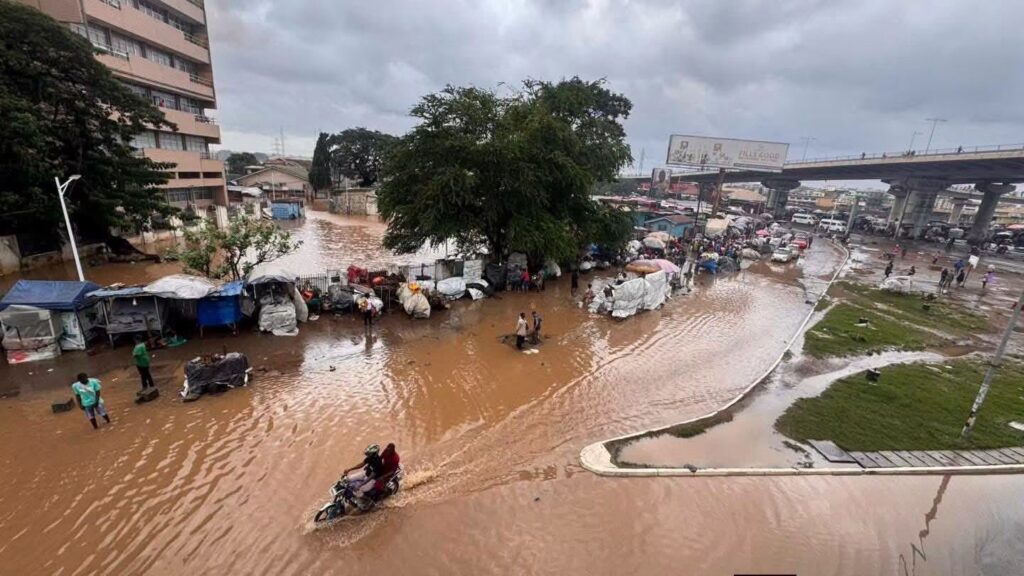
Ghana's Interior Minister said the floods affected 7,761 families, while 38,802 people were forced to leave their homes after water inundated many residential areas in the capital Accra and surrounding regions.
The minister added that the official death toll from the disaster has risen to 12, while seven people are still missing, as rescue and emergency teams continue search and sweep operations in the affected areas, amid fears that the number of victims will rise.
Ghanaian authorities, in cooperation with civil defense and relief teams, continue to provide support to citizens, while intensifying evacuations from dangerous areas and providing temporary shelters for families who have lost their homes due to the floods.
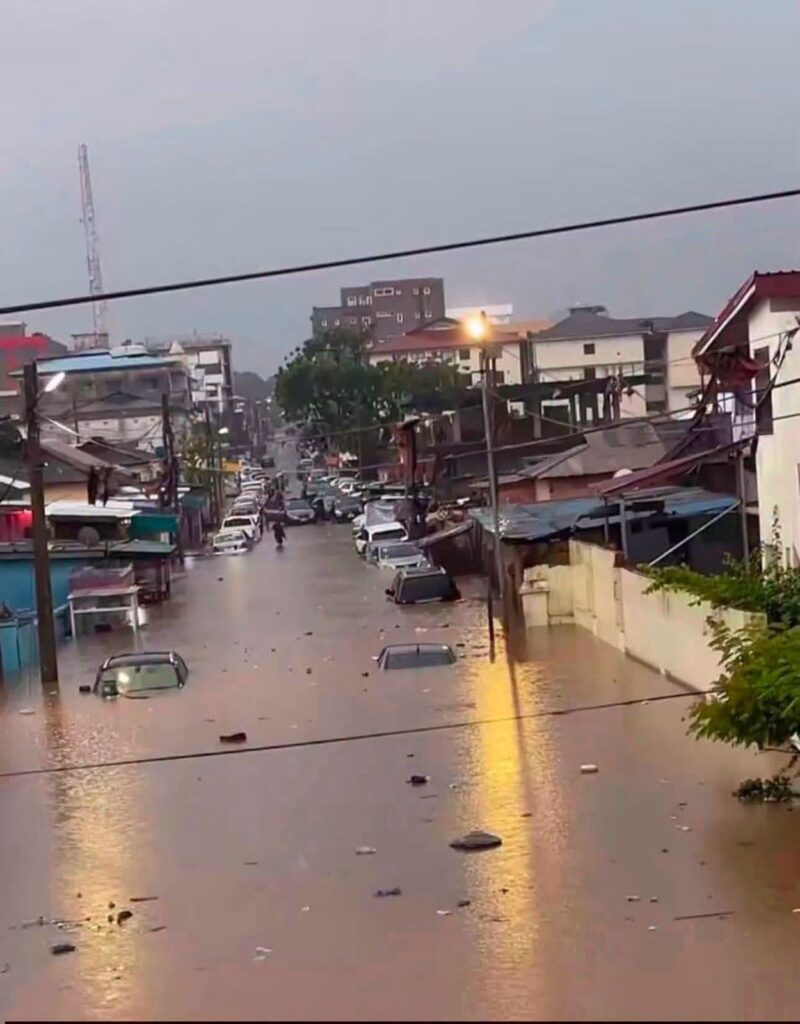
The government affirmed that this financial package will contribute to accelerating humanitarian relief operations, enhancing the ability of state institutions to deal with natural disasters, in addition to implementing projects to reduce flood risks, including improving rainwater drainage networks, developing infrastructure, and putting in place more efficient crisis management plans.
During the rainy season, Ghana experiences frequent flooding, especially in the capital Accra, due to heavy rainfall and weak drainage networks in some areas. This prompts the government to intensify its investments in flood protection projects and to reduce the effects of natural disasters, in order to protect lives and property and enhance the ability of cities to cope with climate change.