The largest Ebola treatment trial in Congo… Is Africa getting closer to containing the virus?
Launch of the first clinical trial for the treatment of the "Bundibogio" strain"
Written by: Mohammed Omran
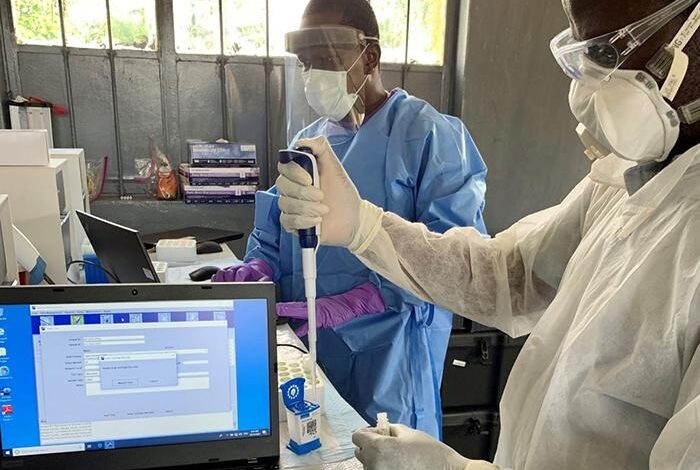
The Democratic Republic of Congo is racing against time to contain one of the most dangerous Ebola outbreaks, after launching the largest clinical trial to test treatments for the rare Bundibugyo strain, in a move that health experts see as a turning point that could lead to the first effective treatment for this strain, for which there is currently no approved treatment or vaccine.
This move comes as the outbreak continues to spread within the country, amid warnings of a wider spread of the disease in East and Central Africa.
Largest Ebola treatment trial
The clinical trial, named PARTNERS, was launched in Bunia, in the eastern Democratic Republic of Congo, under the supervision of the World Health Organization, and in collaboration with the Congolese Ministry of Health, the National Institute of Biomedical Research, Doctors Without Borders, Oxford University, and a number of international research institutions.
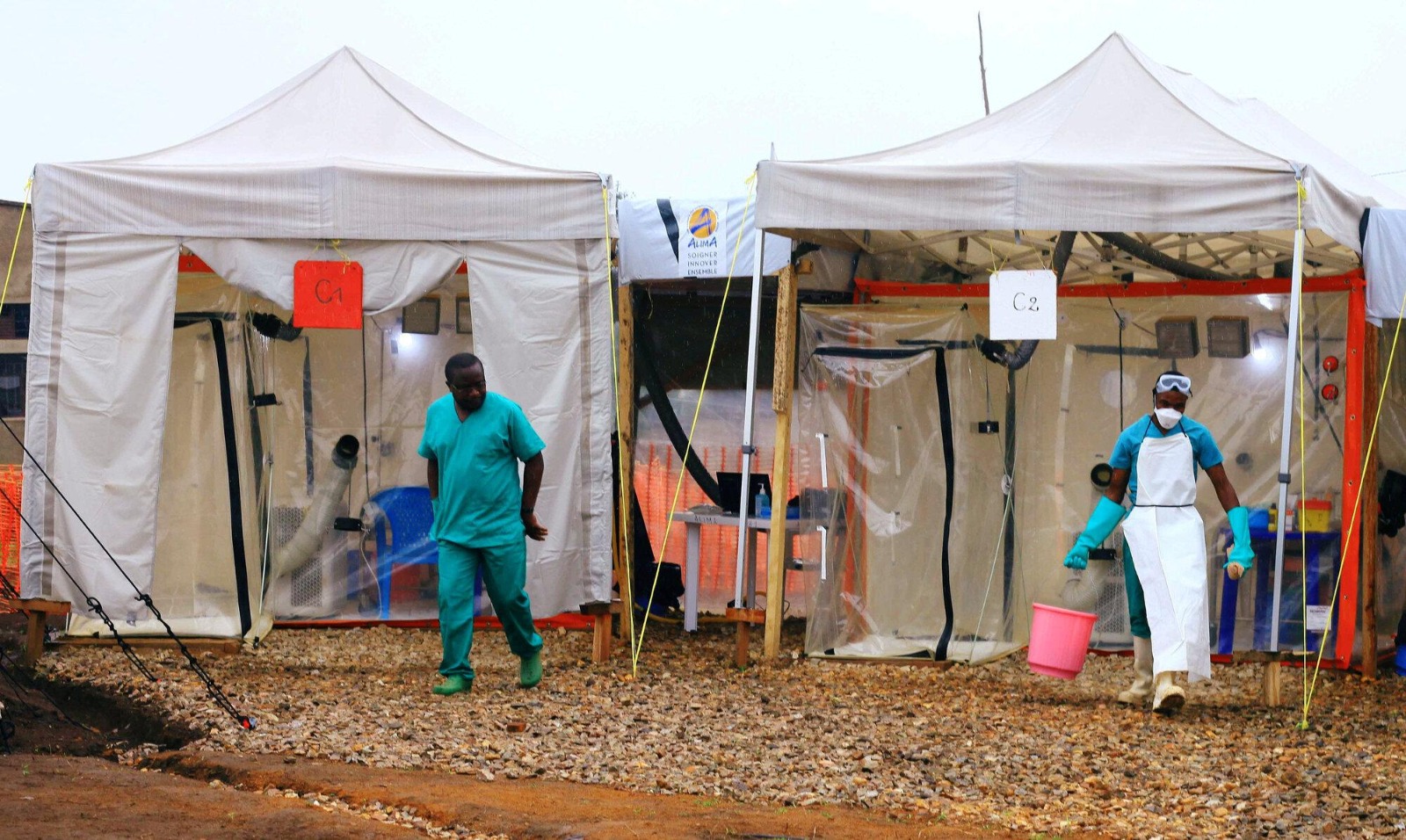
The study aims to evaluate the effectiveness of two antiviral treatments, MBP134 and Remdesivir, either separately or in combination, to determine their ability to reduce mortality and improve the chances of recovery for those infected with the Bundibugyo strain.
Why is experience so important?
The importance of the trial lies in the fact that it targets the Bundibugyo strain, one of the rare strains of the Ebola virus, for which scientists have never developed an approved treatment or vaccine, unlike the Zaire strain, which has seen the development of vaccines and treatments in recent years.
Researchers hope that the study's findings will pave the way for the adoption of the first effective treatment protocol for this strain, thereby enhancing the global response to any future outbreaks and reducing the high mortality rates associated with the disease.
Outbreak spreading within Congo
The Democratic Republic of Congo declared an outbreak on May 15, 2026, and since then its spread has expanded beyond Ituri province to the provinces of Chubu and Haut-Uele, after having previously extended to North Kivu and South Kivu.
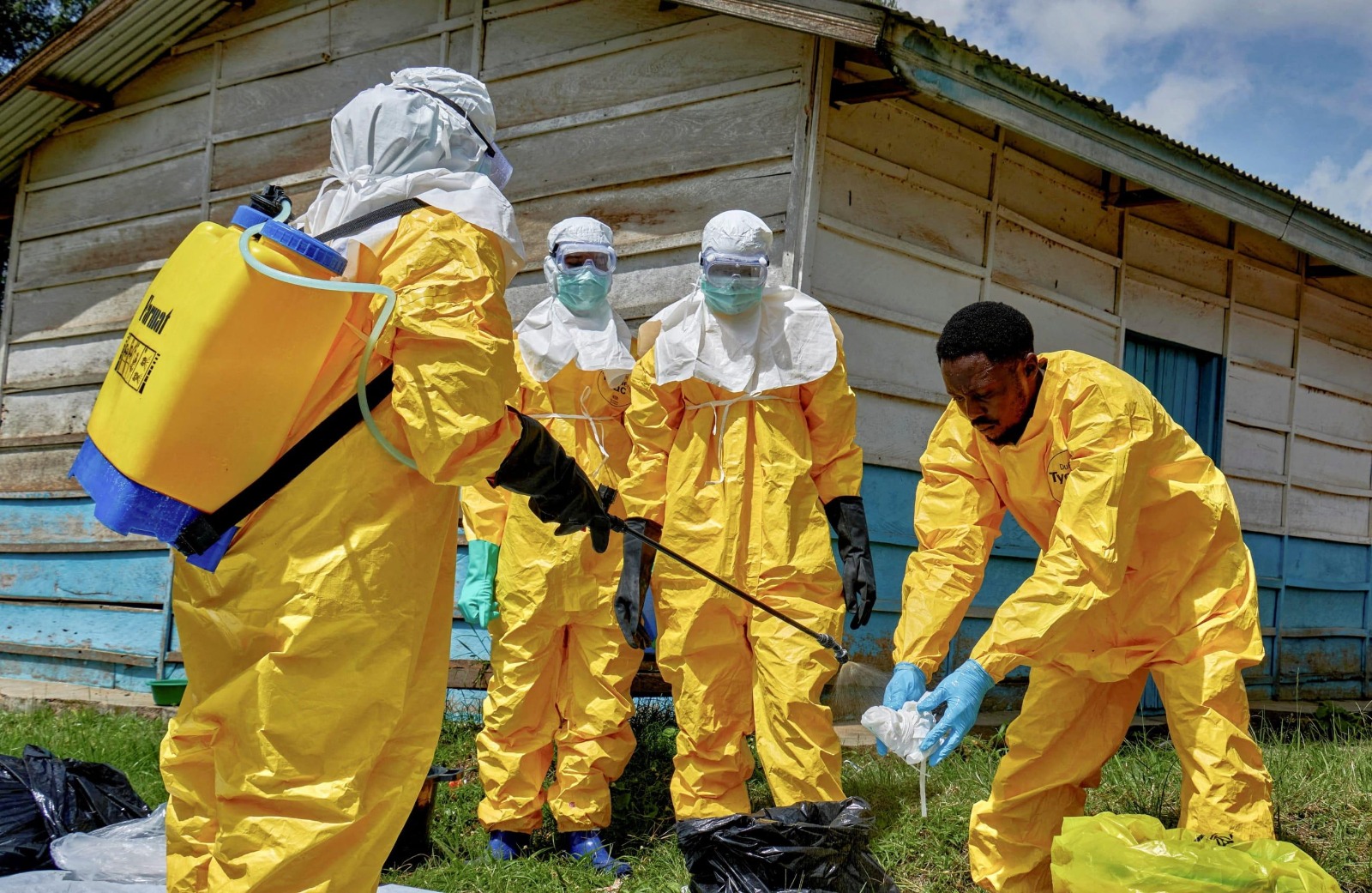
According to the latest official data as of July 11, the number of confirmed cases reached 1,926, while the death toll rose to 702, with warnings from the World Health Organization that the actual numbers may be higher due to the difficulty of accessing some areas and the failure to detect all cases.
How does the experiment work?
The trial includes patients of various age groups, including children, pregnant women and breastfeeding mothers, with the provision of supportive medical care in accordance with World Health Organization protocols, such as fluid replacement, treatment of salt disorders, monitoring of vital signs, in addition to giving treatments under trial.
Participants will be subject to close medical monitoring to assess the safety and effectiveness of the two treatments, with the results being reviewed periodically by an independent data safety monitoring committee.
Challenges hindering the response
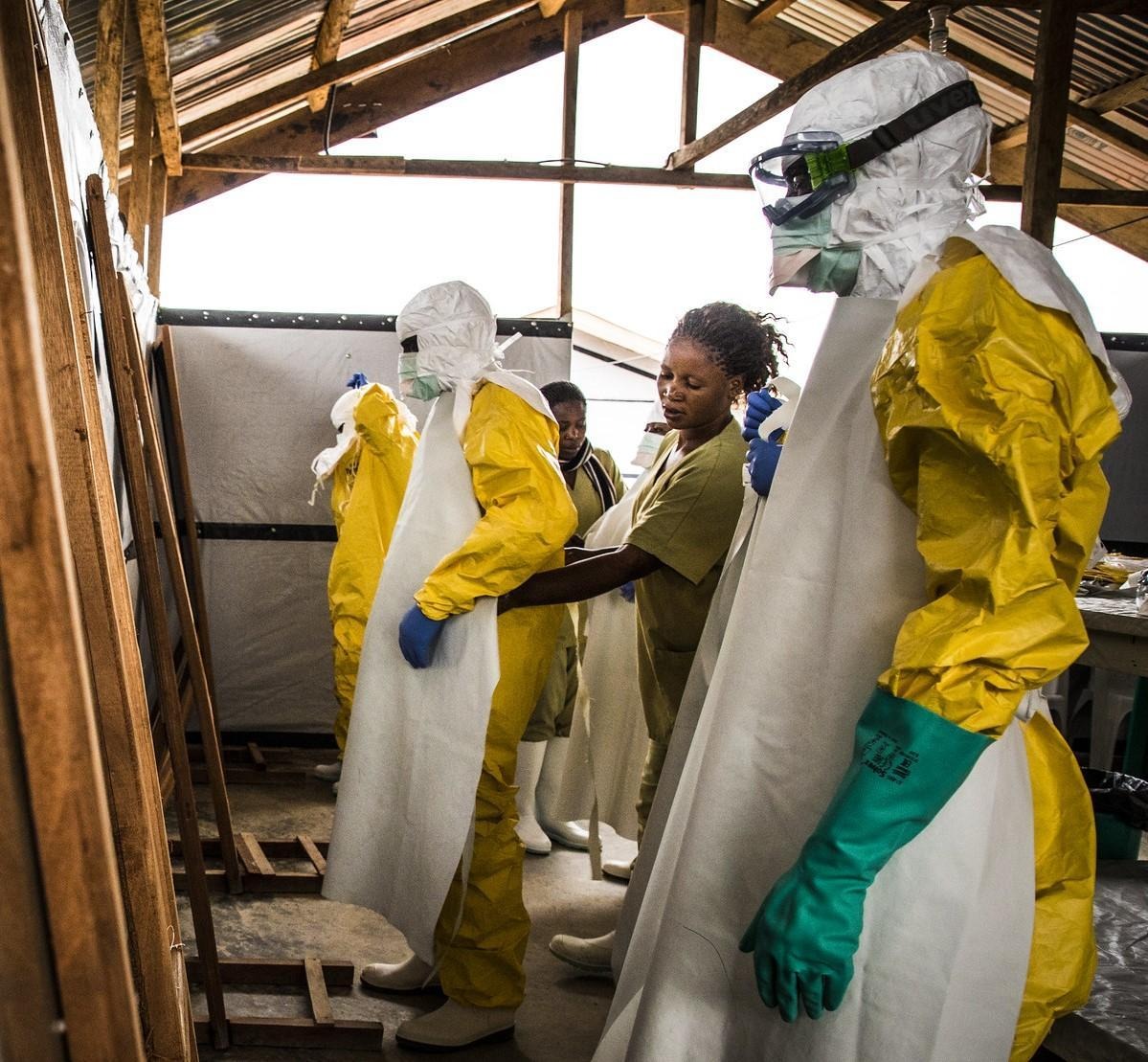
Despite scientific advancements, health authorities face significant challenges, most notably weak health infrastructure, limited access to some areas, ongoing armed conflicts, shortages of medical equipment, and delays in paying some healthcare workers, all of which have hampered the response to contain the outbreak. The World Health Organization has also expressed concern about the continued transmission of the virus through cases that cannot be linked to known chains of transmission, complicating contact tracing efforts.
New hope in the fight against the virus
Health experts believe that the success of the PARTNERS trial could represent a turning point in the fight against Ebola, as it could provide the first approved treatment for the Bundibugyo strain and enhance the world's readiness to face any future waves of the disease.
In conjunction with the therapeutic trial, Oxford University began the first human trial of a vaccine specifically for the Bundibugyo strain on healthy volunteers, in a move that reflects the accelerating international efforts to develop effective means of prevention and treatment for this deadly virus.