The SADC Ministerial Committee approves a package of measures to enhance security in Africa.
Ahmed Salem
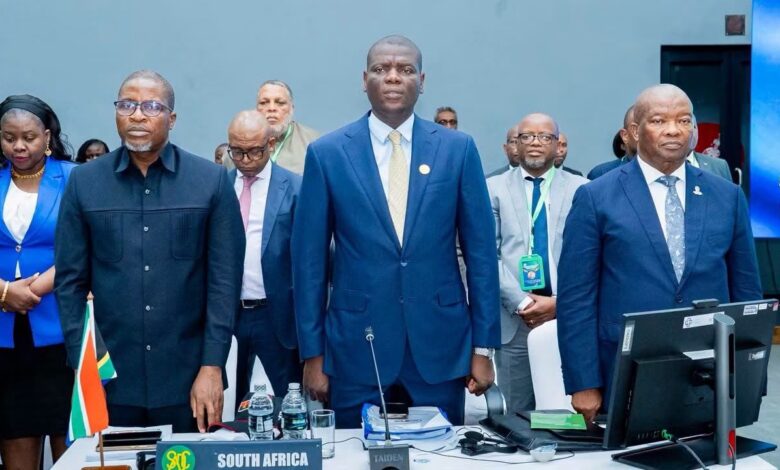
The Ministerial Committee of the Policy, Defence and Security Cooperation Body of the Southern African Development Community (SADC) has approved a broad package of measures to promote peace and security, support democratic governance, improve migration management, combat corruption and organized crime, and preserve the legacy of regional liberation.
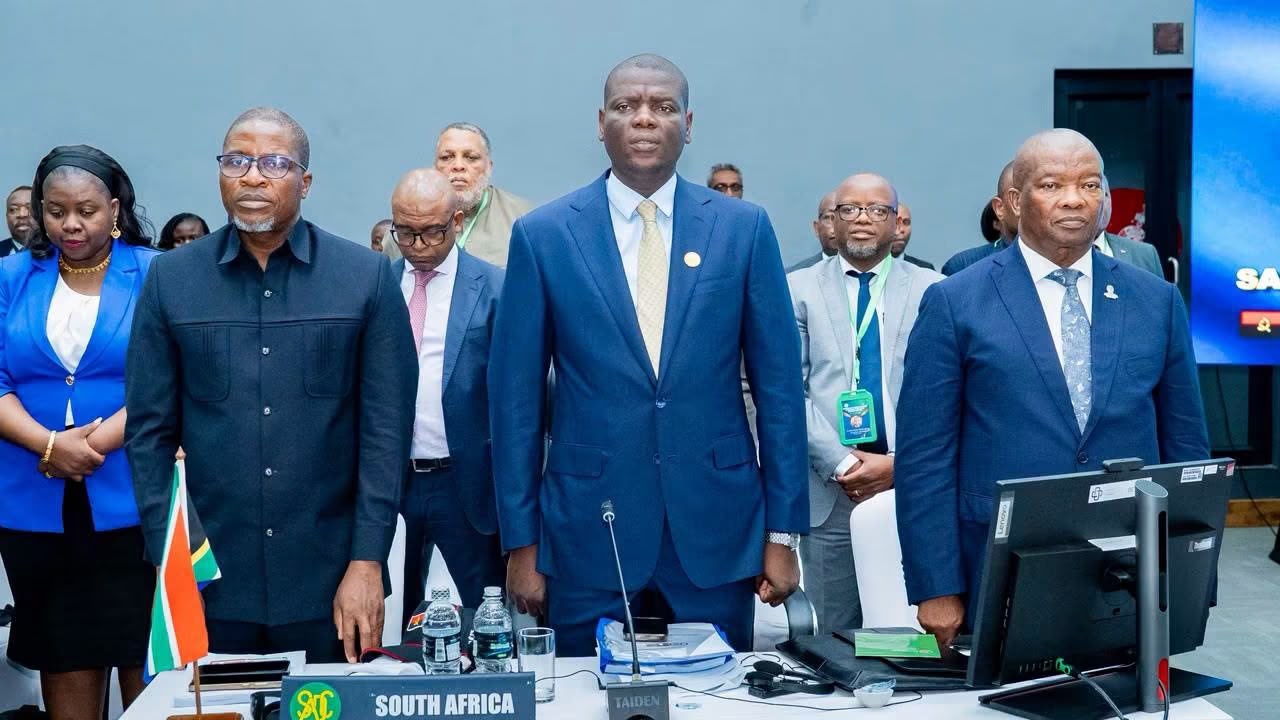
These decisions were adopted during the 28th session of the Ministerial Committee, held in Salima, Malawi, from 16 to 17 July 2026.
Political and security initiatives
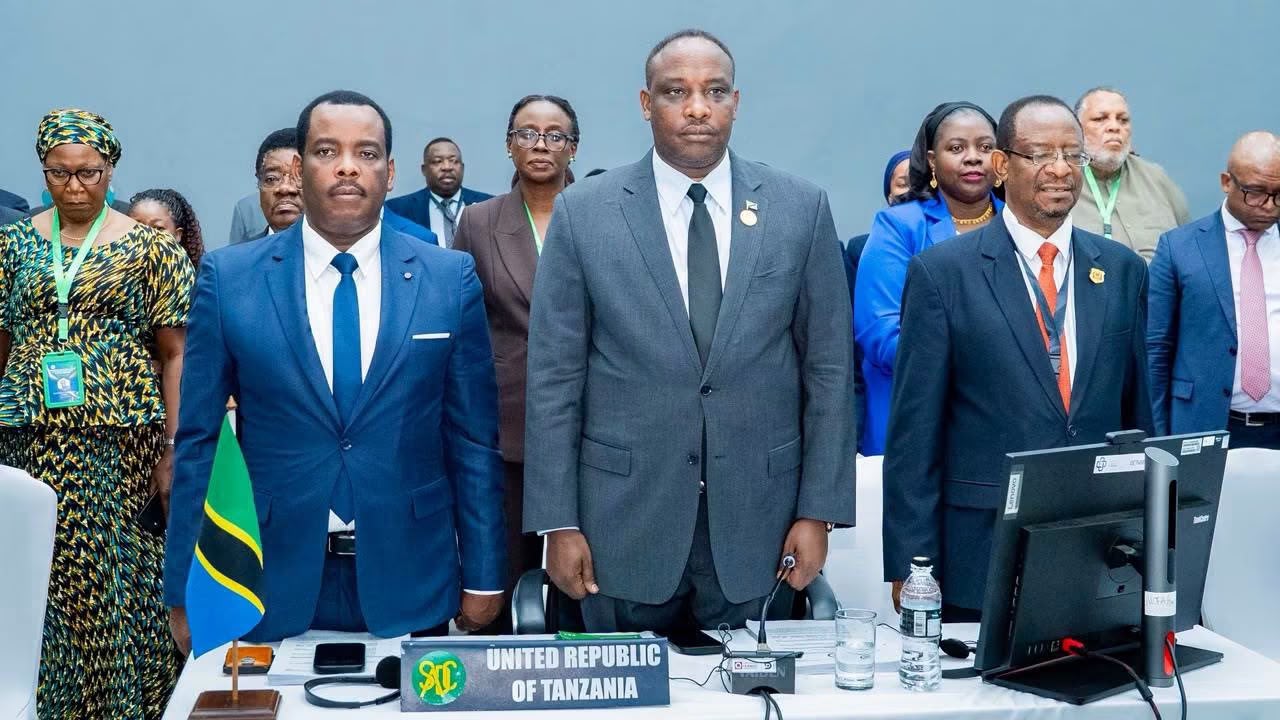
The ministers reviewed the progress made on key political, security and governance initiatives, and reaffirmed the Southern African Development Community’s commitment to regional stability, integration and sustainable development.
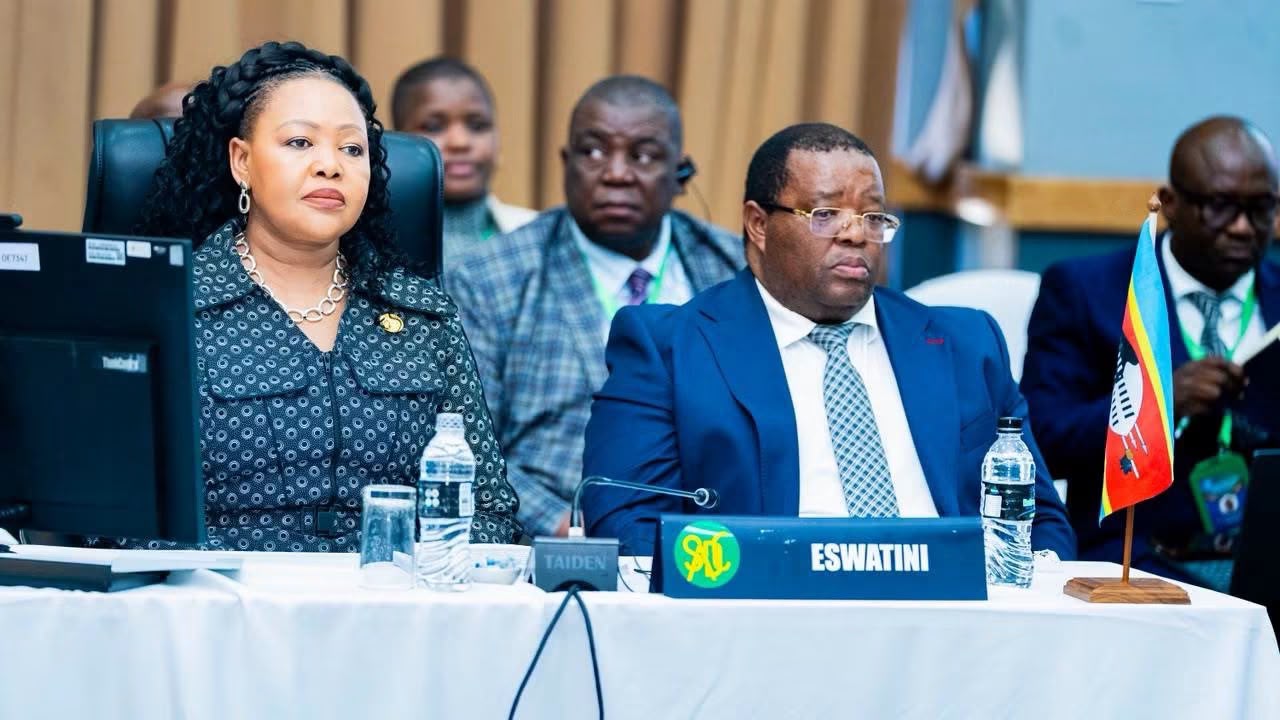
The Minister of Foreign Affairs and International Cooperation, Senator Phulel Shakanto, headed the Eswatini delegation in her capacity as the new Chair of the Ministerial Committee, and expressed her appreciation for the efforts of the Eswatini technical team during the meeting.
The discussions resulted in key pillars for building a safer, more prosperous and integrated Sudanese community.
The ministers stressed the importance of mediation and conflict prevention, democratic governance, migration management, anti-corruption efforts, counter-terrorism cooperation, and humanitarian response as key pillars of regional peace and resilience.
They stressed that advancing these areas requires coordinated action, strong institutions, and respect for human rights and the rule of law.
The situation in eastern Congo
In addressing regional dynamics, the ministers discussed the situation in eastern Democratic Republic of Congo and offered their condolences to the government and people of the Democratic Republic of Congo following the Ebola outbreak in the region.
They urged coordination of humanitarian and health responses, and reaffirmed the importance of regional solidarity and timely information sharing.
The delegation also noted Madagascar’s call for inclusive dialogue and peaceful engagement to resolve disputes, encouraging constructive participation and mutual understanding among member states.
The situation in Mozambique
With regard to Mozambique, the ministers welcomed the progress made within the framework of the inclusive national dialogue process and commended the signing of the political commitment for an inclusive national dialogue, considering it a positive step towards national reconciliation, social cohesion, and sustainable stability.
Looking at the broader regional perspective, the ministers identified climate-induced food insecurity, unemployment, poverty, public health pressures, and geopolitical instability as key challenges.
To address these challenges, they called for accelerating the pace of industrialization, increasing added value, expanding intra-regional trade, and reducing dependence on foreign markets.
Regional strategy for vital minerals
Particular emphasis was placed on a regional strategy for critical minerals, such as lithium, cobalt and nickel, in recognition of the growing importance of this sector for industrial development and the global energy transition.
The committee also approved measures to strengthen regional resilience against terrorism and violent extremism.
The proposed steps include establishing national counter-terrorism centers, enhancing intelligence sharing, expanding specialized training programs, and strengthening close cooperation between security agencies.
Continued counter-terrorism efforts
The ministers stressed the need for continued counter-terrorism efforts to support human rights, democratic principles and the rule of law.
The results of the 28th session reflect the Southern African Development Community’s (SADC) firm commitment to deepening regional cooperation and addressing emerging challenges through collective action.
She noted that the Kingdom of Eswatini is ready to assume its responsibilities when His Majesty King Mswati III takes over the chairmanship of the body at the next summit.
Regarding the decisions taken at the Security Council meeting, Shakanto explained that they embody the Southern African Development Community’s focus on maintaining peace, promoting democratic governance, supporting economic resilience and stability, and advancing regional integration and sustainable development for the people of Southern Africa.