Ebola continues to spread in Congo; death toll rises to 131
Ebola deaths rise in Congo
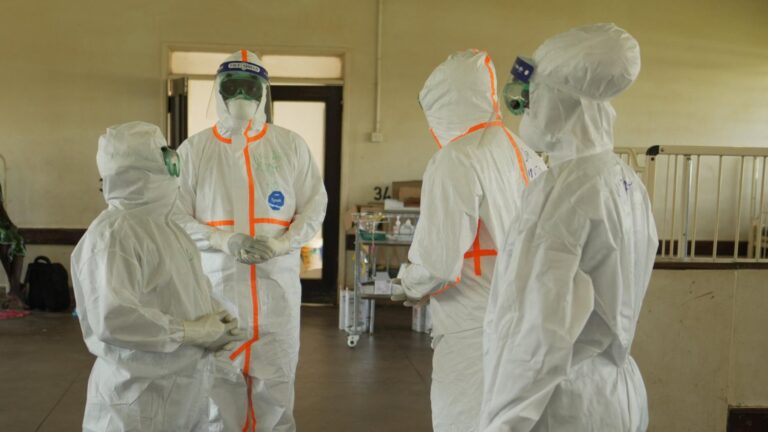
Written by: Mohammed Omran
The health minister of the Democratic Republic of Congo revealed an increase in the number of victims of the outbreak. Ebola virus The death toll has risen to 131, with the disease continuing to spread to new areas and suspected cases being recorded in large parts of the country, amid fears that the infection could spread to neighboring countries.
Ebola continues to spread in Congo.
Local officials have confirmed that at least 131 people have died from the Ebola outbreak in the Democratic Republic of Congo, as the virus continues to spread across new parts of the country and into neighboring Uganda.
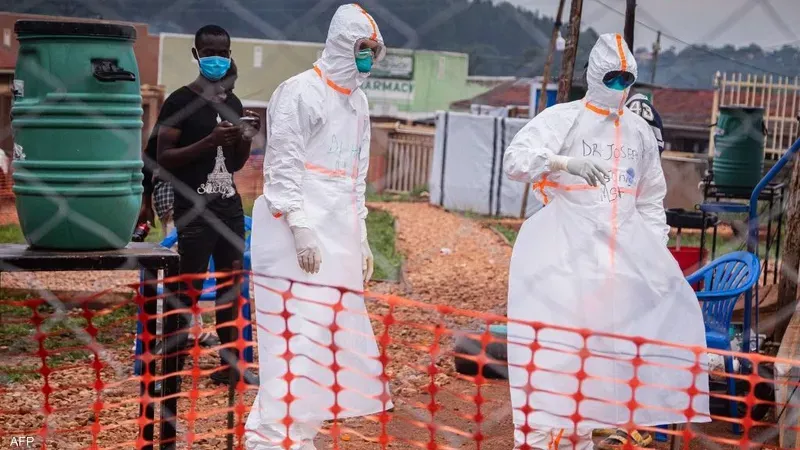
The death toll has risen to 131.
Congolese officials noted that more than 390 suspected cases had been recorded, with authorities warning that infections were now being reported in a wider geographical area, including Nyakunde in Ituri province, Butembo in North Kivu, and the city of Goma.
Congolese officials explained that response teams are tracing contacts and investigating suspected infections, and are urging the public to remain calm amid growing concerns about the virus spreading further.
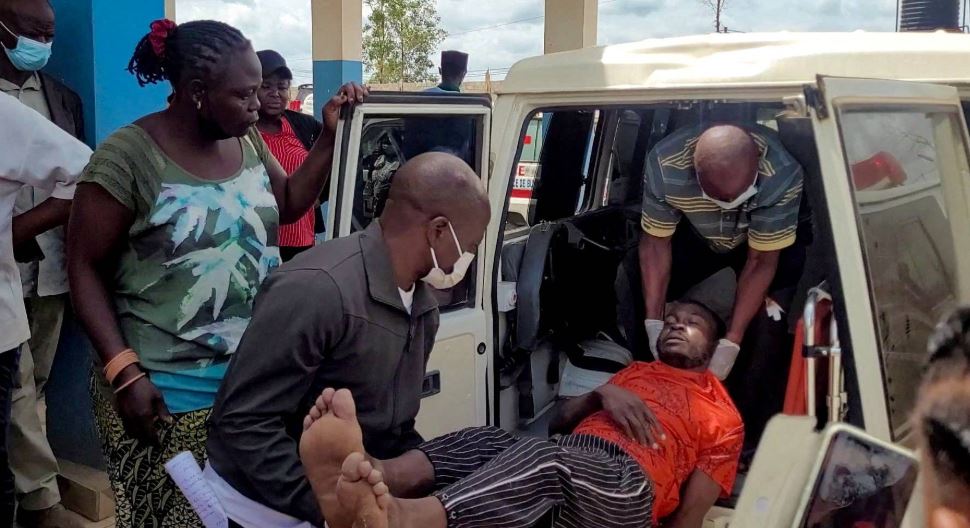
The World Health Organization declared the Bundibugyo strain outbreak an international health emergency, and the same strain has been confirmed in Uganda where two cases and one death have been reported, according to the U.S. Centers for Disease Control and Prevention.

Ebola has struck both countries repeatedly over the past two decades, with cross-border movement and weak health systems complicating containment efforts.