Ghana reviews achievements of its epidemic control fund and sets priorities for strengthening health security.
Written by: Ayman Ragab
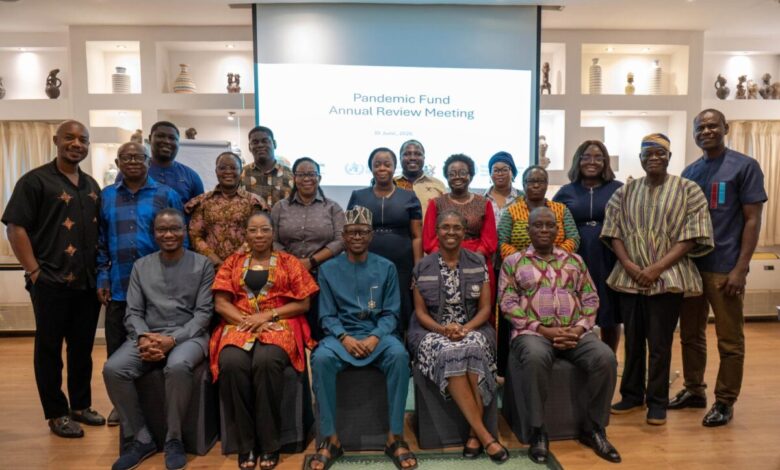
Partners of the Ghana Epidemics Response Fund project held their first annual review meeting in the capital, Accra, to assess progress made over the past year, discuss implementation challenges, share lessons learned, and agree on priority actions for the coming year.
The meeting was attended by representatives from the Ghana Health Service, the Directorate of Veterinary Services, the World Health Organization, and the Food and Agriculture Organization, along with other implementing partners working within the “One Health” approach to strengthen epidemic preparedness and response systems in the country.
The participants reviewed the progress made in implementing the project across three main technical axes, including strengthening laboratory systems, improving disease surveillance and early warning systems, and building qualified health personnel. They also discussed the most prominent achievements and obstacles, and reviewed practical solutions to improve coordination and accelerate the implementation of activities.
Developing training materials for emergency preparedness and response
Key achievements during the past year included the development of training materials for emergency preparedness and response within the framework of the “One Health” approach, strengthening laboratory capabilities to improve the accuracy of diagnostic services, and training more than 200 human and animal health officials on skills for monitoring, early detection, and health emergency management.
The meeting also discussed key issues for the success of the project, including multi-sectoral cooperation, civil society engagement, and gender considerations, as well as monitoring progress in promoting health security in accordance with international evaluation frameworks, such as the Joint External Evaluation (JEE), the State Party Annual Self-Assessment Report (SPAR), and the Veterinary Services Performance Assessment (PVS).
An opportunity to assess what has been achieved during the past year
Dr. Caroline Rendorff Amisa, Deputy Director-General of the Ghana Health Service, said the annual review provided an opportunity to assess what had been achieved during the past year, identify areas that needed improvement, and draw up a shared roadmap for the next phase.
The meeting also addressed the upcoming annual report of the Epidemic Control Fund, emphasizing the importance of documenting the results achieved, lessons learned, and mechanisms for addressing challenges. Participants agreed on the priorities for the second year, foremost among them improving coordination, enhancing accountability, and maximizing the impact of project investments.
For her part, Dr. Sally Ann O’Hen, representative of the World Health Organization, praised the progress made by the implementing bodies, stressing that cooperation between government institutions and partners within the “One Health” approach has contributed to achieving tangible results, and called for accelerating implementation and strengthening coordination to ensure the building of health systems that are more capable of preventing, detecting and responding to public health threats.
According to a report distributed by the APO Group on behalf of the WHO Regional Office for Africa, the meeting concluded with a renewed commitment from all partners to continue collaborating to ensure the successful implementation of the Epidemic Response Fund project and to support Ghana’s efforts to strengthen its capacity to prevent, detect and respond to future public health emergencies.