Julius Nyerere Dam: A giant project implemented by Egypt to support the future of energy in Tanzania
A giant Tanzanian project enhances energy security and supports economic development.
Written by: Mohamed Ragab
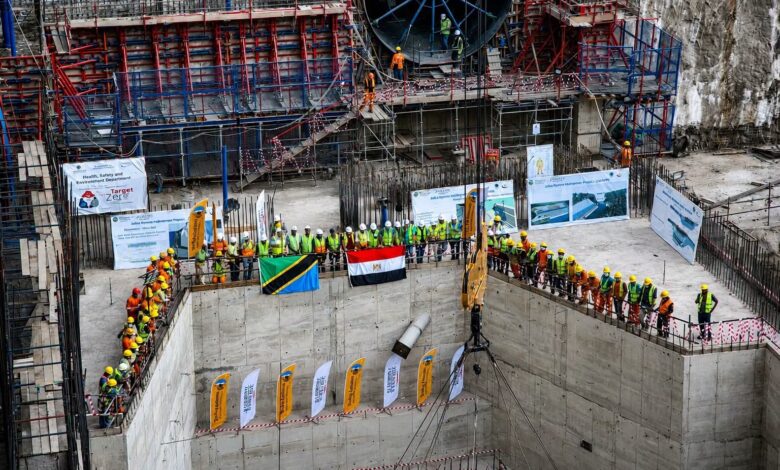
The Julius Nyerere Dam is one of the largest infrastructure and energy projects in the African continent, implemented by the Arab Republic of Egypt. It represents a key pillar in Tanzania’s strategy to achieve self-sufficiency in electricity, promote economic development, and reduce dependence on traditional energy sources.
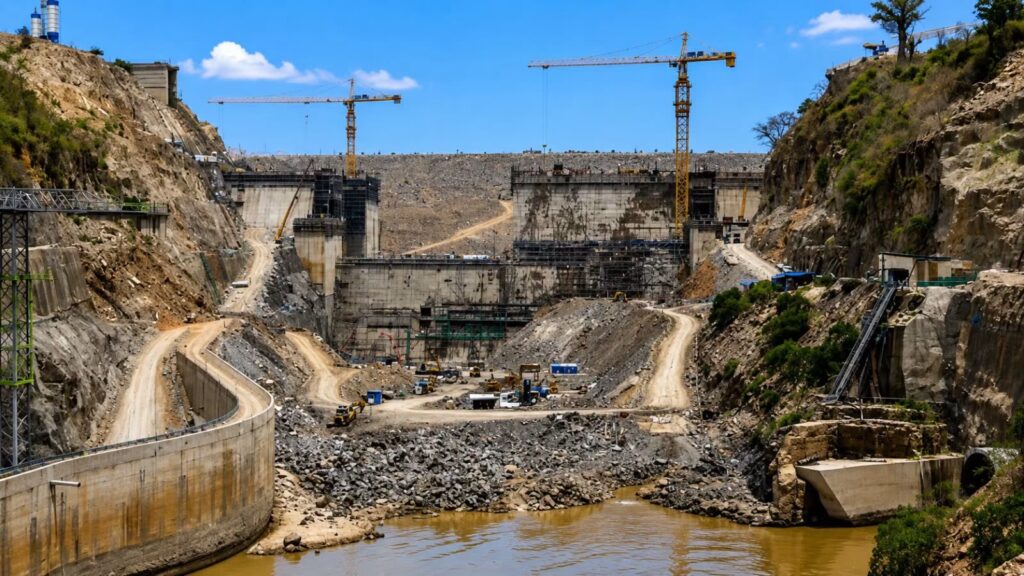
The dam is located on the Rufiji River within Nyerere National Park in southeastern Tanzania, and is named after the late Tanzanian President Julius Nyerere, the country’s first president after independence, who is regarded as the founder of the modern Tanzanian state.
A strategic project to enhance energy security
The project aims to produce approximately 2,115 megawatts of electricity, making it the largest hydroelectric power station in East Africa. It is expected to double Tanzania's electricity production capacity and meet the growing demand for energy due to industrial and population expansion.
The Tanzanian government is banking on the dam to support industrialization plans, attract local and foreign investment, and improve electricity supplies to rural and urban areas, which will have a positive impact on various economic sectors.
Joint implementation between Egypt and Tanzania
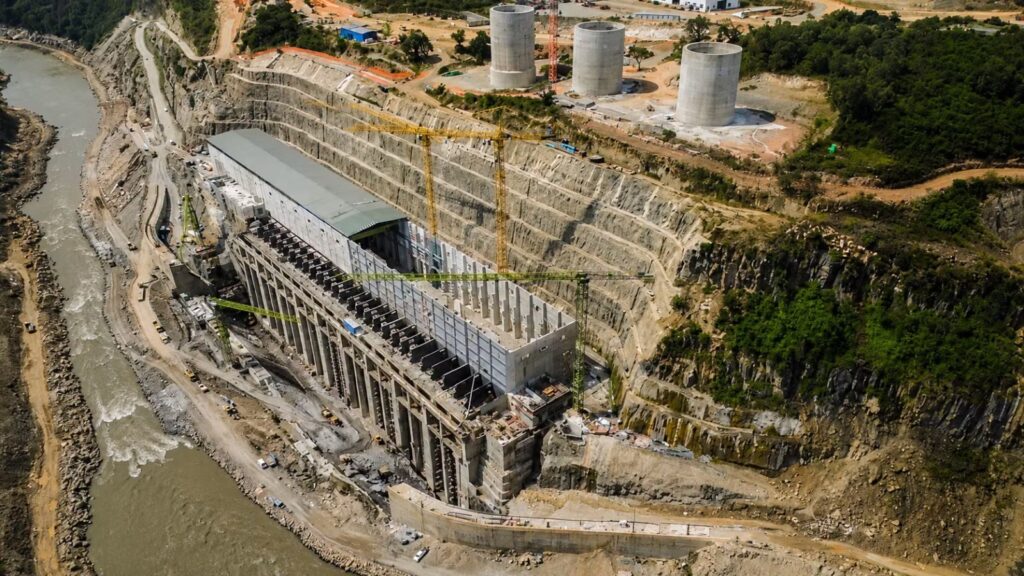
The project is being implemented by a consortium comprising the Egyptian companies Arab Contractors and Elsewedy Electric, in one of the largest economic cooperation projects between Egypt and Tanzania.
The project included the construction of the main dam, the power generation station, transportation networks, roads and associated infrastructure, amid praise from the Tanzanian government for the speed of completion and the technical expertise provided by the Egyptian companies.
Supporting the economy and development
Tanzania expects the dam to contribute to reducing the cost of electricity production, improving the reliability of the national grid, providing the necessary energy for new industrial areas, as well as supporting the mining, agriculture and services sectors.
The project is also expected to create thousands of jobs, revitalize the local economy, and enhance the country’s ability to export electricity in the future to some East African countries as part of regional electricity interconnection projects.
Environmental challenges and international concerns
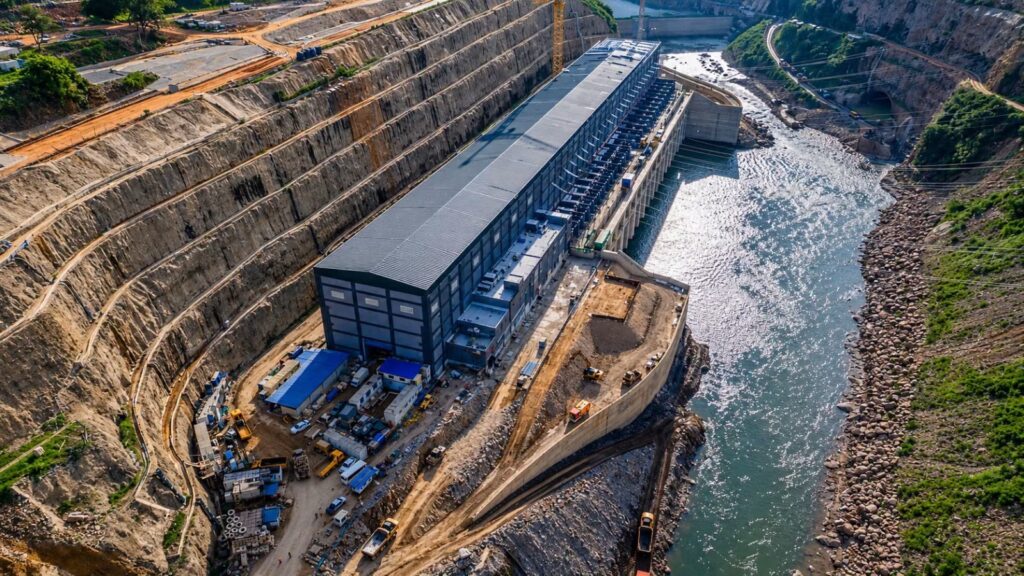
Despite the economic importance of the project, the Julius Nyerere Dam has sparked widespread debate about its environmental impact, given that it is located within the Nyerere Conservation Area, one of the largest nature reserves in Africa and a World Heritage Site.
Environmental organizations have expressed concerns about the dam's impact on biodiversity and the Rufiji River ecosystem, while the Tanzanian government maintains that the project was implemented according to standards aimed at minimizing environmental impacts, while balancing development requirements with the preservation of natural resources.
A symbol of African partnership
The Julius Nyerere Dam represents a model of African cooperation in implementing major projects, and reflects the strength of Egyptian-Tanzanian relations, especially in the fields of energy and infrastructure.
As the project enters its operational phases, Tanzania looks forward to the dam becoming a major driver of economic growth, contributing to its development goals, enhancing energy security, and transforming the country into an industrial and investment hub in East Africa.