Zimbabwe begins assembling drones locally to boost manufacturing and innovation
Aircraft manufacturing in Zimbabwe
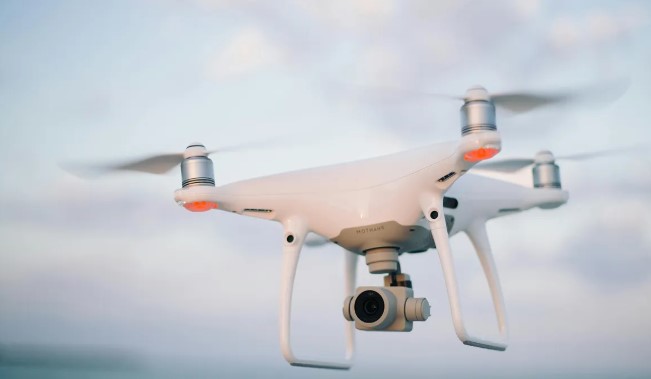
In a significant development within the African continent, Zimbabwe, represented by Bindura University of Science and Education, has begun taking practical steps towards localizing drone technology by launching a project to assemble these aircraft locally, as part of a broader trend to promote manufacturing and support technological transformation in the country.
According to the Herald, the university's vice president, Eddie Mwenge, confirmed that this step represents a qualitative development in the drone program launched by the university more than a year ago, as it moved from simply training operators to the production and assembly stage, thus enhancing local technical capabilities.
From operator training to drone production in Zimbabwe
The program is based on the university's Innovation Center, which focuses on vital areas including climate change, smart agriculture, software development, and food systems. This approach aims to prepare qualified personnel capable of employing modern technology in various sectors such as agriculture, mining, environmental monitoring, and disaster response.

Mwengi explained that the university, through its Department of Communications Sciences, is training students and professionals to operate drone systems, ensuring the local market is equipped with practical skills that meet development needs. He added that this project reflects the academic institution's commitment to contributing to building a productive and empowered society, capable of relying on its own resources to develop technology.
Expanding local drone assembly is a strategic move that will reduce import costs, facilitate knowledge transfer, and build a technological industrial base in Zimbabwe. The project also aligns with the government's Vision 2030, which prioritizes manufacturing and scientific innovation for achieving sustainable economic growth.
Zimbabwe reduces import costs by manufacturing drones locally.
This initiative is gaining added importance in light of the climate challenges facing the country, as drones have become an effective tool in improving agricultural productivity, through applications such as crop spraying, field mapping, and even cloud seeding techniques in drought-affected areas.
This project complements the university's previous efforts in technology manufacturing, where it operates Palp Technologies, a facility that produces smartphones, tablets, and laptops for the local market. This facility has supplied over 800 schools with digital devices, supporting digital transformation efforts and reducing reliance on imports.

Observers believe this move could open the door for Zimbabwe to become more involved in global technology value chains, especially with the growing role of innovation centers and industrial parks established by the university over the past five years, which have become a base for developing local solutions capable of driving the economy.