Rwanda seeks to replicate Egypt's experience in providing housing for low-income citizens.
The Egyptian experience in low-income housing
Written by: Ayman Ragab
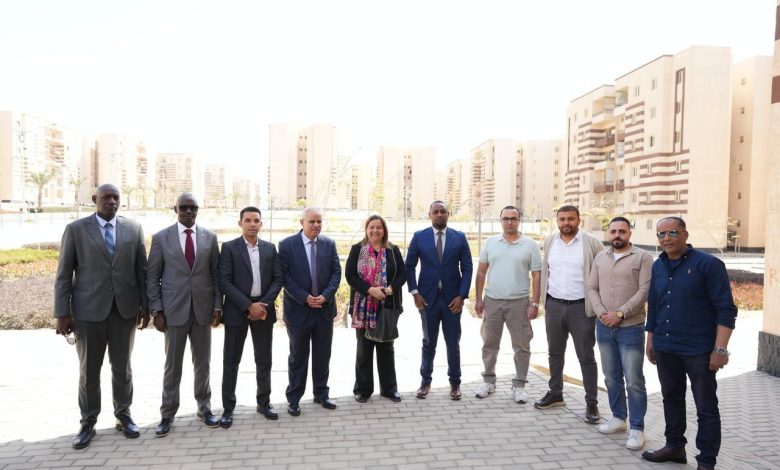
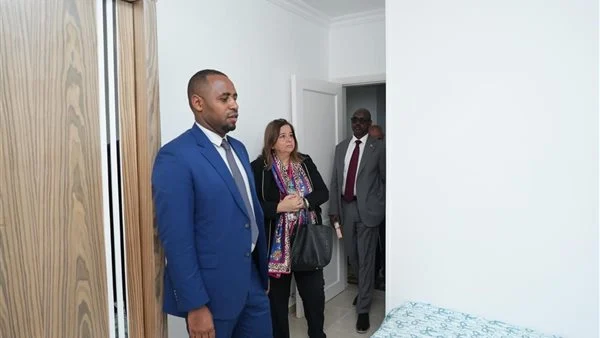
Mai Abdel Hamid, CEO of the Social Housing and Support Fund, met Real estate financing In Egypt, Jean De Dieu Oyehangane, Minister of State for Infrastructure in Rwanda, during his inspection visit to the units of the presidential initiative «Housing for all Egyptians» in the Capital Gardens City, in implementation of the directives of Engineer Randa Al-Manshawi, Minister of Housing, Utilities and Urban Communities.
The Rwandan minister was accompanied by a high-level official delegation, which included Ambassador Dan Munyoza, Rwanda’s ambassador to Egypt, Sam Kalisa, communications officer, along with a number of senior officials from the Rwandan Ministry of Infrastructure.
Housing for all Egyptians
At the start of the visit, Mai Abdel Hamid gave a comprehensive presentation on the executive status of the presidential initiative «Housing for all Egyptians», during which she reviewed the population indicators and the size of the challenges and opportunities in the housing market in Egypt, with an annual demand estimated at about 400,000 housing units.
She added that the presidential program «Housing for all Egyptians» was launched in 2014, with the aim of implementing one million suitable housing units for low-income citizens, while ensuring the sustainability of financing through the mortgage finance initiative, and assigning the Social Housing and Mortgage Finance Support Fund to implement this goal, noting that unified eligibility criteria were established based on accurate studies and assessments, and are updated periodically to ensure that support reaches those who deserve it.
One million housing units
She explained that the fund succeeded in offering more than one million housing units to citizens. Low incomeAchieving its targets, while continuing to offer units to meet increasing demand, which reflects citizens’ confidence in the fund as a result of its commitment to the terms of reservation and delivery of units on schedule.
She added that the fund has completed the implementation of 806,000 housing units, including 637,000 units in new cities and 169,000 units in governorates, while another 205,000 units are being implemented, including 48,000 green housing units, with 721,000 units allocated so far.
Regarding the middle-income segment, she explained that 32,500 housing units were offered, and the implementation of 16,800 units was completed, including 14,300 units in new cities and 2,500 units in governorates, in addition to the implementation of 12,000 housing units currently, and the offering of another 3,600 units.
The program also reviewed the "Green Housing" initiative, through which it adopts a sustainable approach by implementing green building standards, contributing to reduced energy and water consumption, carbon emissions, and waste. It noted that more than 25,000 green housing units have received GPRS certification, and more than 14,000 units have received the international EDGE certification, reflecting the country's commitment to sustainable development goals and improving quality of life.
Program beneficiaries
She explained that the number of beneficiaries of the program reached about 710,000 citizens, as the total support provided amounts to between 50% and 60% of the price of the housing unit, and it varies between direct cash support that is deducted from the value of the unit according to the applicant’s income, and indirect support that includes the cost of utilities and the price of the land, as well as interest rate support.
She added that the value of mortgage financing provided to beneficiaries amounted to about 2 billion pounds, through cooperation with 22 banks and 8 finance companies, with the provision of easy financing at interest rates of 8% for low income and 12% for middle income, and repayment periods of up to 20 years.
The program’s key indicators were also reviewed, including the geographical distribution of units according to population density, with the Greater Cairo region having the largest share, in addition to women’s ownership reaching 25%, and 47% benefiting private sector workers and 25% self-employed individuals.